




Alabaster
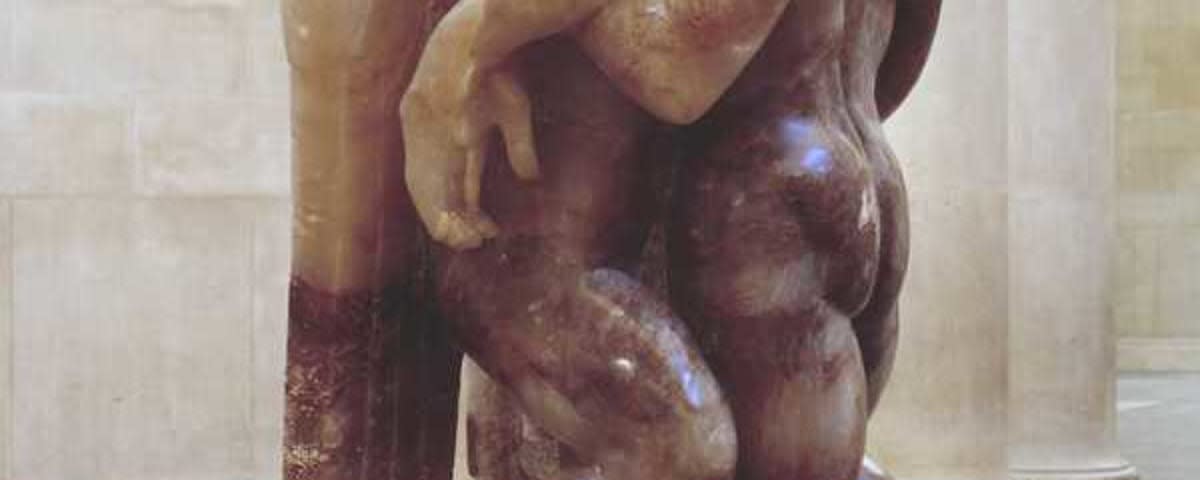
Alabaster is a soft, fine-grained stone used in sculpture and decorative art. The term covers two distinct minerals: gypsum alabaster (hydrated calcium sulphate), common in ancient and medieval times, and calcite alabaster, or "oriental alabaster" (calcium carbonate), known to the Egyptians and Greeks. Both varieties are soft, white or translucent, and readily carved, polished and tinted, which makes them attractive for fine work. Because of its softness and its ability to transmit light, alabaster was prized in antiquity: it was used to make vases, perfume vessels and funerary objects in ancient Egypt and Mesopotamia. In medieval Europe, especially in England (Nottingham) and Spain, alabaster was carved into religious reliefs, altarpieces and tombs, often painted and gilded. In the Baroque era the translucent stone was used for decorative details, lamps and sculptures. The main drawback of alabaster is its solubility in water and vulnerability to moisture, so objects made from it are intended for interiors. Today alabaster remains a material both for restorers of historic monuments and for contemporary sculptors who value its soft luminosity.




