




Animation
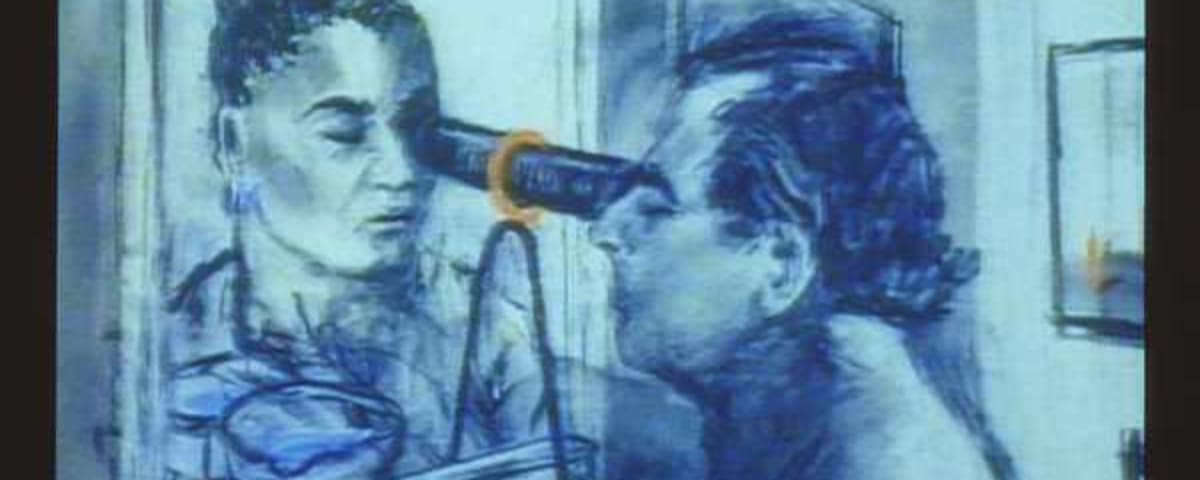
Animation is the technique of creating the illusion of movement through the rapid, sequential display of a series of static images, each differing slightly from the last. The human eye perceives these separate frames as continuous motion owing to the characteristics of visual perception. The history of animation goes back to the optical toys of the nineteenth century — the thaumatrope, phenakistoscope and zoetrope — while the first fully fledged animated films appeared in the early twentieth century thanks to pioneers such as Émile Cohl, Winsor McCay and Walt Disney. There are many techniques of animation: traditional hand-drawn (frame-by-frame) animation, puppet and clay stop-motion, cut-outs, and, from the late twentieth century, computer 2D and 3D animation. In an artistic context, animation is used not only in commercial cinema but also as a means of personal and experimental expression: animator-artists such as Jan Švankmajer, Norman McLaren and William Kentridge turn the movement of images into an independent visual language. Ukraine has a strong school of animation associated with the Kyivnaukfilm studio and the names of Volodymyr Dakhno (the Cossacks series) and David Cherkassky. Today animation is an important component of contemporary art, video art and digital media.




