




Biomorphic
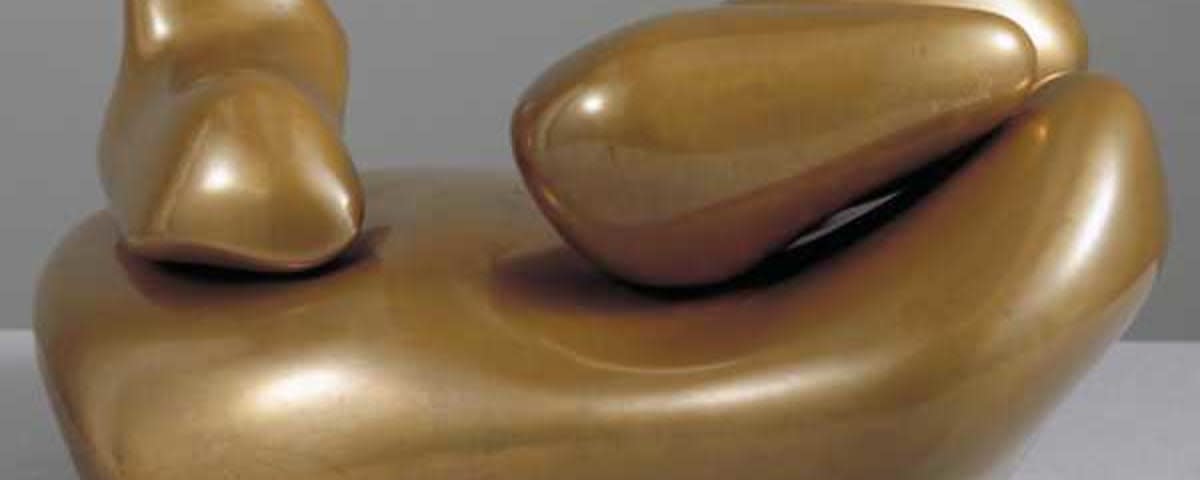
Biomorphic is a term describing forms or images that, while abstract, nonetheless refer to or evoke living organisms: plants, cells, amoebas, bones, organs or the human body. The word derives from the Greek bios, life, and morphe, form. Biomorphic forms are typically fluid, rounded, sinuous and asymmetrical, in contrast to rigid geometric abstraction with its straight lines and regular figures. Biomorphism gained particular importance in the art of the 1930s, above all within Surrealism, where it reflected an interest in the unconscious, organic growth and natural processes. Striking examples are the biomorphic sculptures and reliefs of Hans Arp, the organic forms of Joan Miró and Yves Tanguy in painting, and the streamlined plastic volumes in the work of the sculptors Henry Moore and Barbara Hepworth. Later biomorphic motifs spread into mid-twentieth-century design and architecture. The term remains useful for describing any abstract art whose forms suggest a sense of the living, growing and natural, set against the mechanical and artificial.




