




Bombay Progressive Artists’ Group
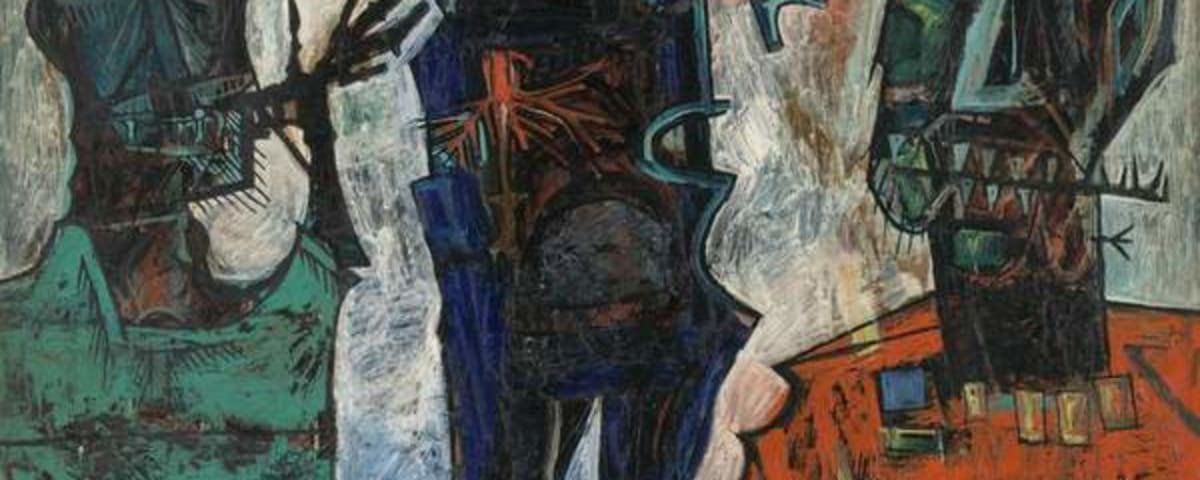
The Bombay Progressive Artists' Group was a short-lived but decisive association for Indian modernism, founded in 1947 in Bombay, the same year India gained independence. The group challenged the conservative academic tradition and colonial salon painting, as well as the sentimental nationalism of the Bengal School, seeking to create a new Indian visual language that would be at once modern, cosmopolitan, and rooted in its own culture. Its founder is generally considered to be Francis Newton Souza, and its core included Maqbool Fida Husain, Sayed Haider Raza, Krishnaji Howlaji Ara, Sadanand Bakre, and Hari Ambadas Gade. The artists creatively reinterpreted European modernism—Cubism, Expressionism, the painting of Matisse and Picasso—through the lens of Indian themes, myths, and folk art. Although the group formally dissolved in the early 1950s as its members scattered across the world, it laid the foundations of modern Indian art, and its members became the country's most celebrated masters.




