




Bricolage
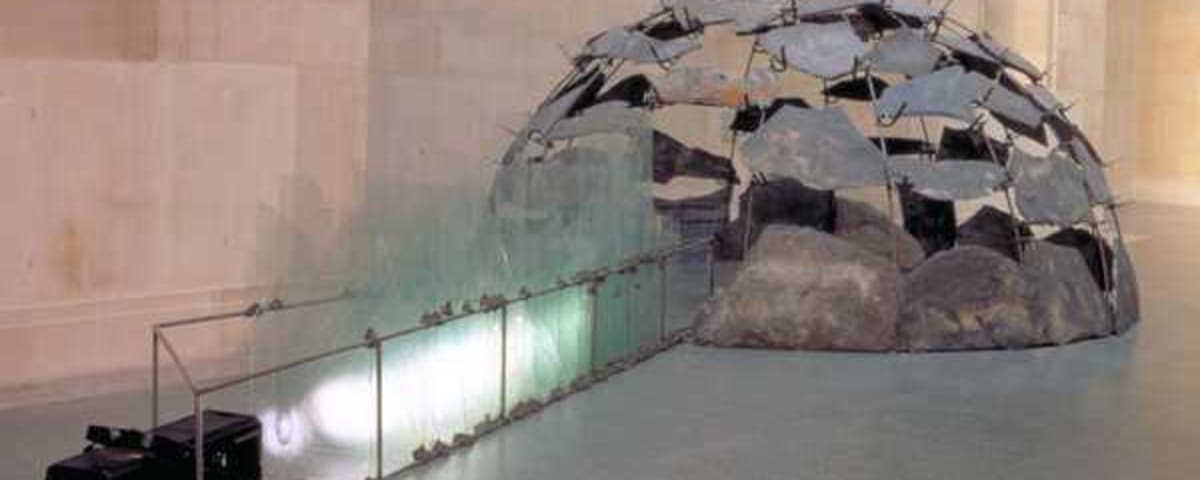
Bricolage is a method of creating a work of art from a diverse range of materials that happen to be at hand, often chance, found, or repurposed objects. The French word bricolage means do-it-yourself construction or something made from available means, while a bricoleur is a self-taught handyman who inventively combines whatever is available. The term acquired theoretical significance through the French anthropologist Claude Lévi-Strauss, who in The Savage Mind contrasted the bricoleur, working with a limited set of existing elements, with the engineer, who fashions tools for a specific task. In art, bricolage is closely related to the practices of collage, assemblage, and the readymade, pioneered in the early twentieth century by Cubists, Dadaists, and Surrealists. Artists such as Kurt Schwitters created compositions from tickets, wrappers, and fragments of everyday life. Bricolage undermines the idea of the artist as a creator who begins from a blank page, emphasising instead the reworking, combining, and transformation of ready-made material. In a broader cultural sense, the concept is also applied to music, fashion, and subcultures, where new meanings arise from the unexpected juxtaposition of pre-existing elements.




