




Chiaroscuro
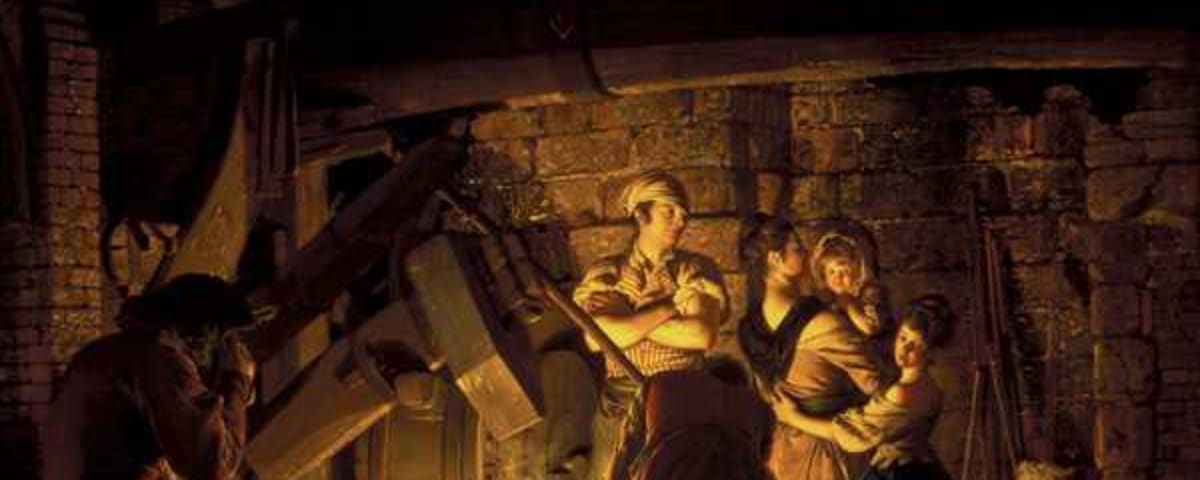
Chiaroscuro is an Italian term meaning literally light-dark, denoting the distribution and interplay of light and shadow in a work, and the modelling of volume and space through tonal contrast. The device developed during the Renaissance: Leonardo da Vinci studied gradual transitions from light to shade, a related idea known as sfumato, giving forms a sense of three-dimensional fullness. Chiaroscuro found its most dramatic expression in the Baroque: Caravaggio used sharp contrasts of brilliant light and deep darkness, called tenebrism, to heighten the emotional tension and theatricality of his scenes. This approach influenced numerous masters of light and shade across Europe. Chiaroscuro remains a fundamental means of expression in painting, drawing, photography, and cinema, where the contrast of light and dark shapes mood, volume, and drama. The term is also applied to the chiaroscuro woodcut, printed from several blocks to render tones.




