




Comic strip art
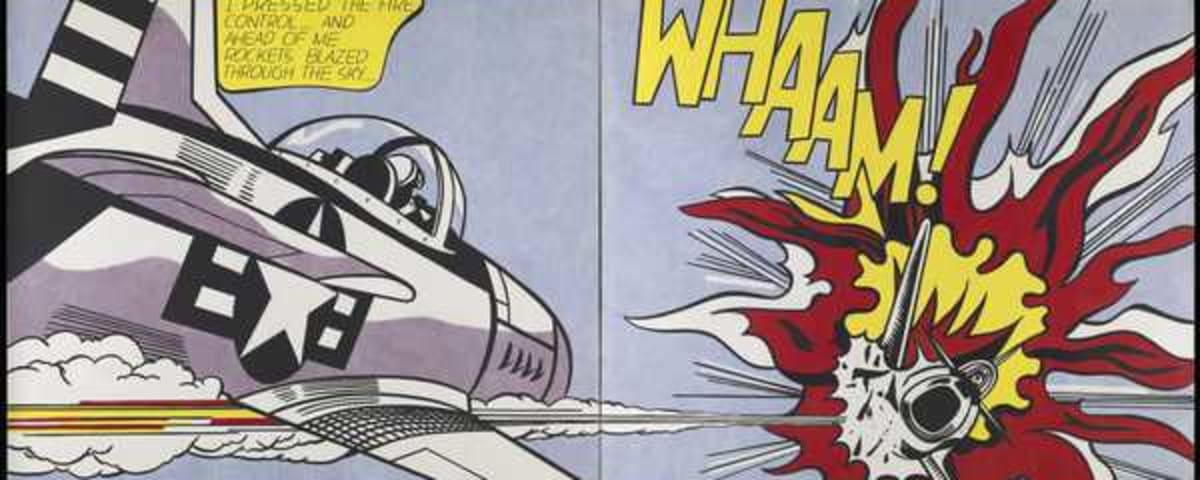
Comic strip art is an artistic practice grounded in the language of comics: a sequence of panels, the combination of image and text (speech bubbles, onomatopoeia) and the characteristic commercial printing techniques. In a broader sense the term also covers fine-art works that borrow the style, themes and visual devices of comics and transpose them into a gallery context. The comic as an independent form combines features of literature and visual art, building narrative through the montage of separate panels. The most striking convergence of 'high' art with the comic occurred in the Pop art of the 1960s. The American artist Roy Lichtenstein appropriated frames from mass-market comics, enlarged them and reproduced the characteristic Ben-Day dots, transforming banal images into monumental canvases while ironically reflecting on the mechanisms of mass culture. Later the graphic novels of Art Spiegelman and other authors gained recognition as a serious artistic and literary form. Today the language of the comic is actively used in contemporary art, illustration and street art, and the boundary between the 'low' genre and museum art is increasingly blurred.




