




Degenerate art
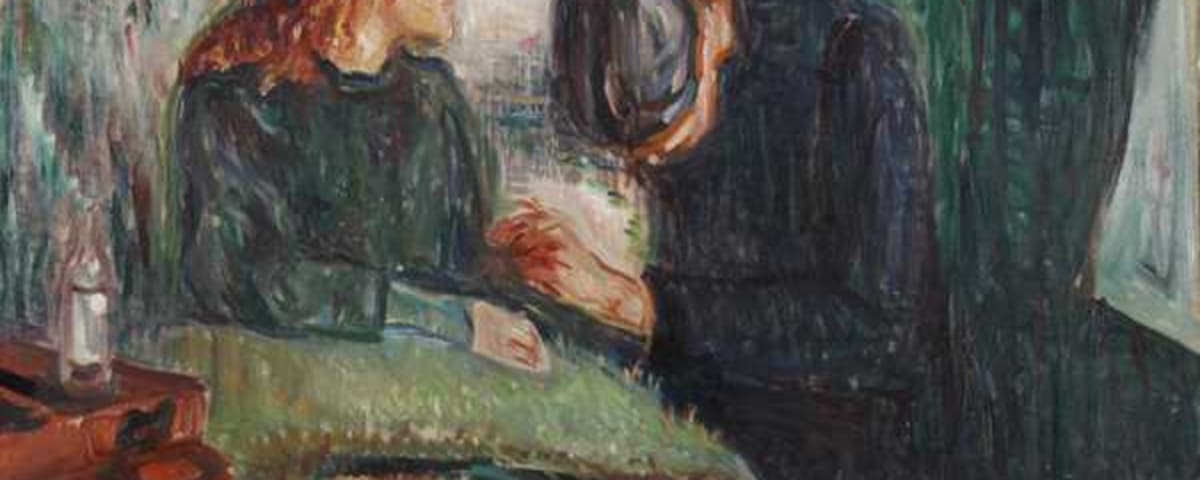
Degenerate art (German Entartete Kunst) was a derogatory label used by the National Socialist regime in 1930s Germany to condemn modern art that did not conform to its ideology. The term was applied to Expressionism, Dada, Cubism, Surrealism, abstraction and any work declared un-German, Bolshevik or diseased. In 1937 the regime staged the notorious Degenerate Art exhibition in Munich, where more than six hundred confiscated works were hung in a deliberately chaotic and humiliating manner, accompanied by mocking captions designed to ridicule them. Nearby, the Great German Art Exhibition displayed idealised, officially approved art. Thousands of works were removed from museums; some were sold abroad to raise foreign currency, while others were destroyed. Artists targeted included Ernst Ludwig Kirchner, Emil Nolde, Max Beckmann, Paul Klee, Oskar Kokoschka and Wassily Kandinsky. Many were forced into exile or banned from working. The campaign stands as one of the starkest examples of state suppression of creative freedom and of totalitarian control over culture in the twentieth century.




