




Educational turn
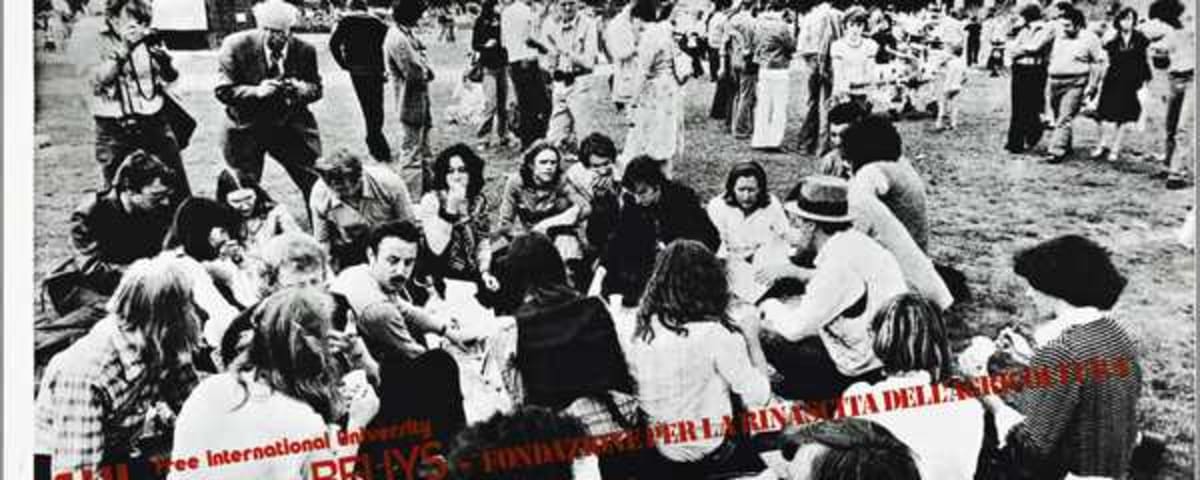
The educational turn is a tendency in contemporary art and curatorial practice that emerged in the mid-1990s and gained prominence in the 2000s. The term describes a growing interest in education, learning, research, and the exchange of knowledge as independent forms of artistic activity. Within the educational turn, emphasis shifts from the finished art object to process, collaboration, discussion, and the collective production of knowledge. Here art approaches pedagogy, and exhibitions, seminars, reading groups, workshops, and alternative schools become fully valid artistic practices. The educational turn is closely connected to relational aesthetics and to participatory and socially engaged art. Curators and artists began to rethink the exhibition itself as an educational space rather than merely a place for displaying objects. Notable manifestations of this tendency were numerous projects that combined art with experimental pedagogy and critical theory, including at major biennials and Documenta. Critics observed that the educational turn reflects a broader desire in art to move beyond the market and the museum institution, turning instead toward community-based, dialogical, and processual work. At the same time, the tendency provoked debate about the risk of instrumentalising both education and art.




