




Embossed
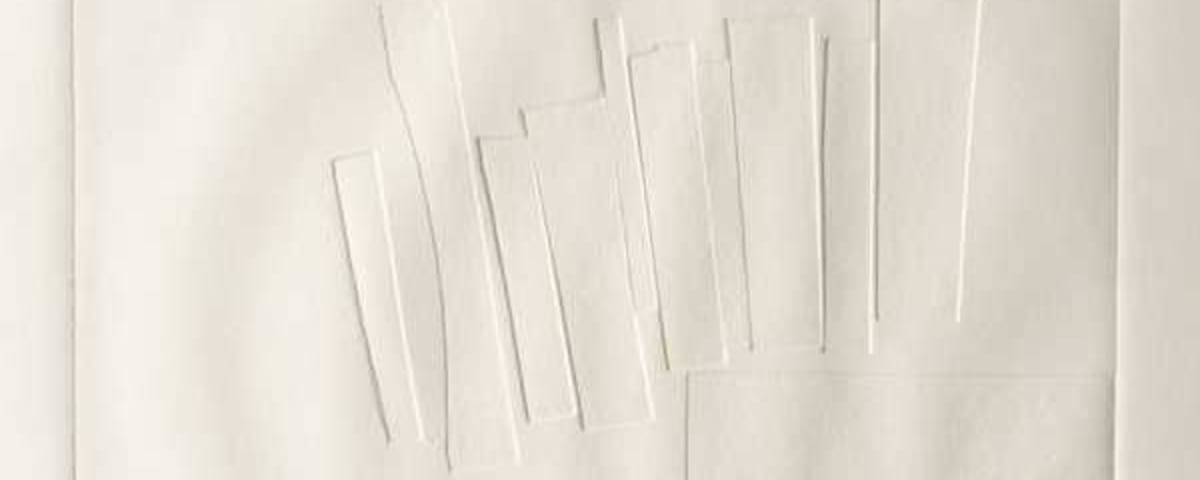
Embossing produces a raised or recessed relief surface created during printing or finishing processes, when material, most often paper, is pressed between a die and a counter-die either without ink or with it. As a result the image or text is perceived not only by sight but also by touch. Within printmaking there is a distinct form, blind embossing, an inkless relief impression that questions the traditional role of ink and emphasizes the texture and the play of light across the surface of the sheet. In the twentieth century relief impressions were explored by artists interested in pure form and materiality, including practitioners of Minimalism and constructive abstraction. Embossing is also widely used in the applied and decorative arts, bookbinding, book and packaging design, and commercial printing, where it lends objects a tactile expressiveness and a sense of quality. The term also describes relief worked into leather, metal, and fabric.




