




Entropy
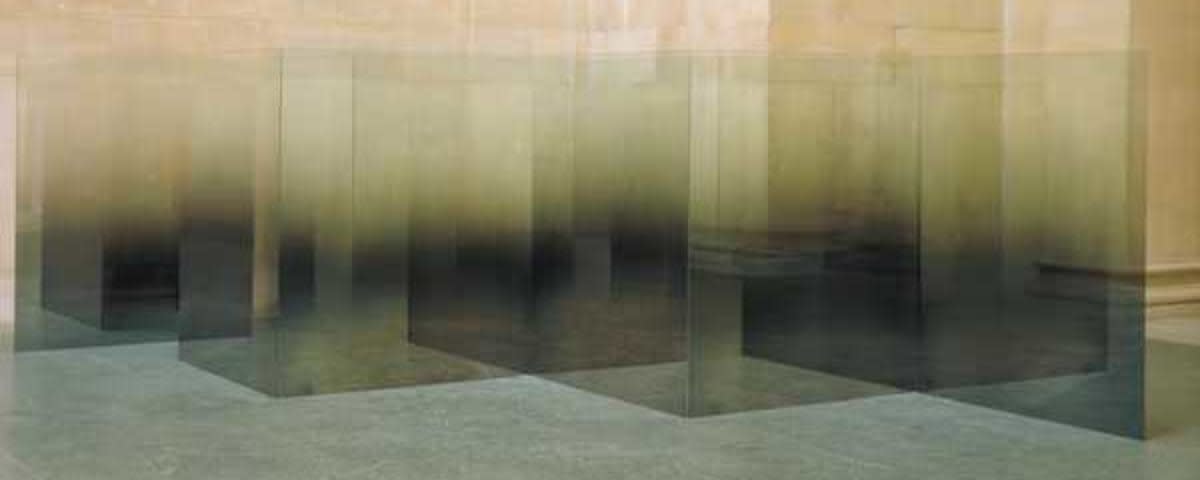
Entropy is a concept borrowed from physics and thermodynamics, where it denotes a measure of disorder, disorganisation, and the inevitable gradual breakdown of a system. The second law of thermodynamics states that in an isolated system entropy never decreases over time, increasing in irreversible processes, and ordered energy dissipates. In a broader cultural sense, entropy has become a metaphor for decay, dissolution, and the irreversible drift toward chaos, the degradation of society, matter, or meaning. The concept of entropy was introduced into art by the American artist Robert Smithson in the late 1960s. In his essays and land art works, notably the famous Spiral Jetty (1970), Smithson reflected on geological time, erosion, and the inevitable destruction of forms by natural forces. For him, entropy was not only a physical process but also a philosophical concept that undermined ideas of progress and permanence. Entropy influenced the development of Minimalism, land art, and conceptual art, inspiring artists to work with temporality, decay, and irreversible processes. Works that deliberately age, erode, or change over time embody the idea that matter and order inevitably tend toward disintegration.




