




Form
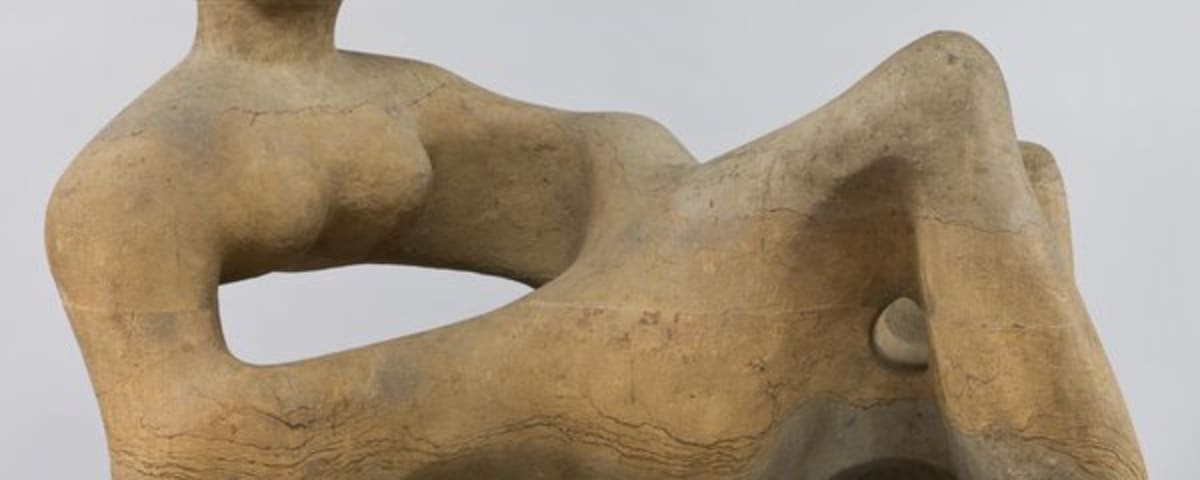
Form is one of the fundamental concepts of art, carrying several interrelated meanings. In the broadest sense, form refers to the overall physical nature of a work, its material, three-dimensional or planar structure, contours, and volume. In a narrower sense, form is one of the elements of visual language alongside line, colour, tone, texture, and space; it denotes a bounded mass or figure that occupies space or creates the illusion of volume on a flat surface. The opposition between form and content is one of the key problems of aesthetics: some theories emphasise the primacy of content, that is, what is depicted or expressed, while others stress the self-sufficiency of form. Formalism, an influential current in twentieth-century criticism represented by figures such as Clive Bell, Roger Fry, and Clement Greenberg, argued that the aesthetic value of a work lies primarily in its formal qualities, the organisation of lines, colours, and masses, rather than in subject matter or narrative. Abstract art carried this principle to its logical conclusion, making form a subject in its own right. An understanding of form remains fundamental to art analysis, allowing one to describe how a work is constructed and how it affects the viewer independently of what is depicted.




