




Format
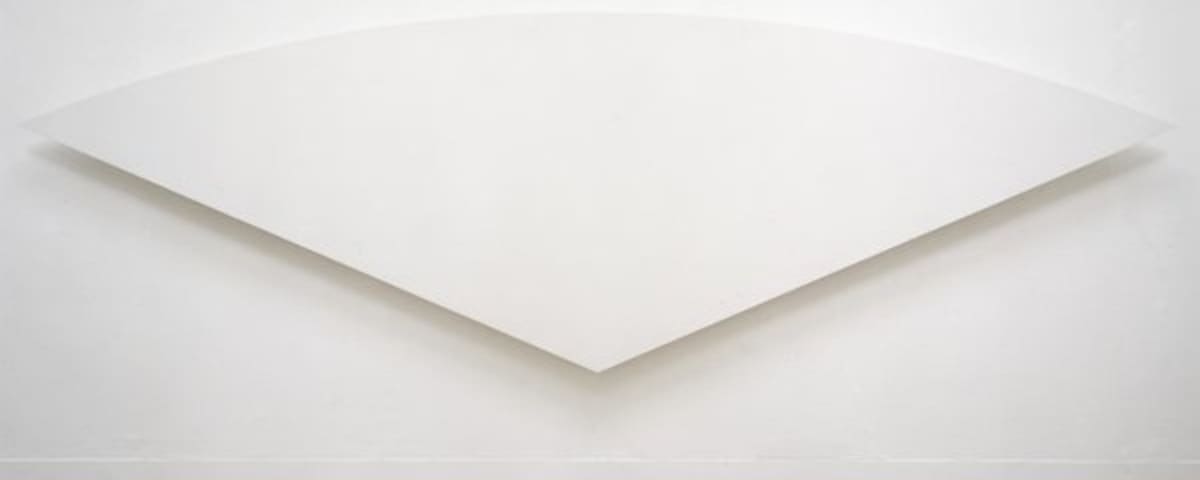
Format is a term that traditionally describes the shape, size, and proportions of the support on which a work of art is created, such as a canvas, sheet, panel, or another usually flat surface like a relief. Format determines the basic dimensions of a work and the ratio of its sides. The most common formats are rectangular, which, depending on orientation, are divided into portrait (vertical), landscape (horizontal), and square. Historically there were also specialised format names, such as marine for elongated horizontal canvases depicting the sea. The choice of format is not neutral; it significantly affects the composition, perception, and meaning of a work. A vertical format emphasises height, monumentality, and spiritual elevation, which is why it was often used in icon painting and religious art, including the Ukrainian icon. A horizontal format fosters a sense of space, narrative, and panorama. Non-standard formats such as oval, circular (tondo), elongated, or shaped supports can lend a work particular expressiveness and challenge the viewer's usual expectations. In contemporary art, artists often deliberately experiment with format, moving beyond the rectangle to expand expressive possibilities and to reorganise the relationship between the image and the viewer's space.




