




Formlessness
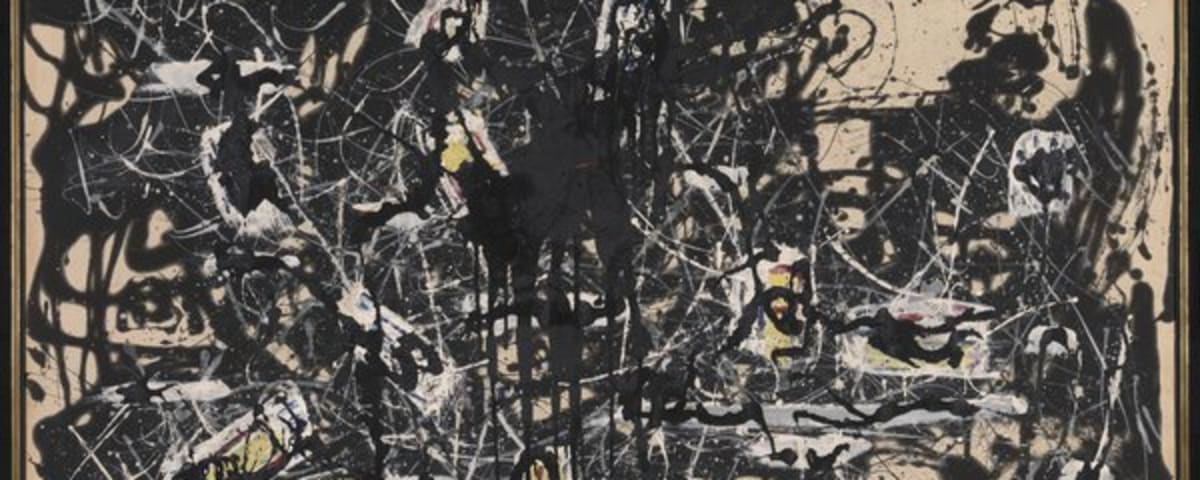
Formlessness, or in French informe, is a concept first introduced by the French writer and philosopher Georges Bataille in the late 1920s. In a short but influential entry published in the journal Documents, Bataille defined the informe not as a particular form but as an operation that lowers things, breaking down established categories and hierarchies. For him, formlessness was a way of dragging art down from its elevated, idealised status toward base materialism, toward the low, the bodily, and the disordered. The concept of formlessness had a profound influence on twentieth-century art, especially on Surrealism, art brut, Abstract Expressionism, and later material-oriented practices. Artists who worked with dripping, dirt, decay, and amorphous masses undermined the classical ideal of finished, harmonious form. In the 1990s the theorists Rosalind Krauss and Yve-Alain Bois reinterpreted the informe in the exhibition and book Formless: A User's Guide, proposing it as an alternative lens for the history of modern art, one focused not on form and content but on operations of decomposition, horizontality, and pulsation. Formlessness remains a powerful critical tool for thinking about art that resists order, purity, and idealisation.




