




Genres
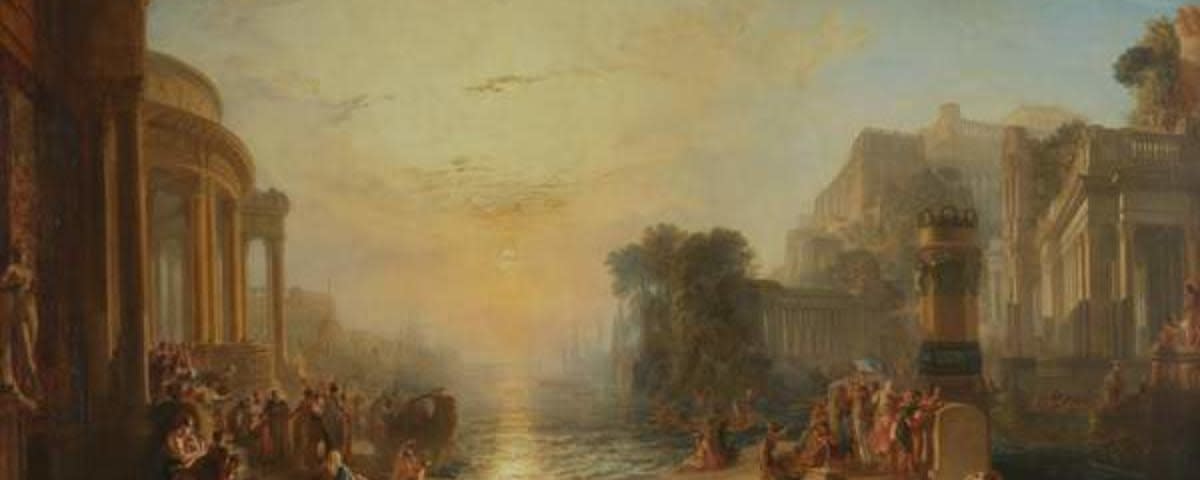
Genres in painting are established types or categories of work distinguished by the nature of the subject depicted. The classical system of genres was formally codified in the seventeenth century, notably by the French Royal Academy of Painting and Sculpture, as a strict hierarchy. In descending order of importance it comprised: history painting (subjects from history, mythology, religion and literature), portraiture, genre painting (scenes of everyday life), landscape and, lowest of all, still life. This ranking rested on the conviction that the worthiest painting depicts human actions and elevated ideas. The hierarchy of genres governed academic training, the system of commissions, prestige and the market value of works for several centuries. Most highly prized was an artist's capacity for complex multi-figure composition on an elevated theme, whereas still life or landscape were regarded as mere exercises in the skill of copying the visible. Yet as early as the nineteenth century this system began to be undermined: the Impressionists elevated landscape and scenes of modern life, and the Realists dismantled the hierarchy of subjects. In the twentieth century, with the arrival of abstraction and new media, the traditional division into genres largely lost its normative force, though it still remains a convenient tool of art-historical analysis.




