




Gouache
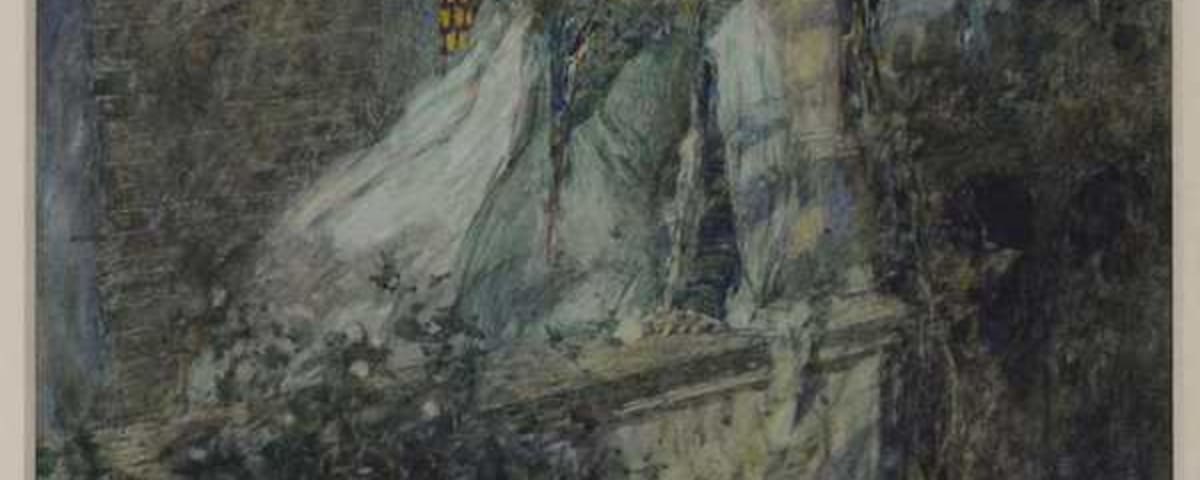
Gouache is a water-based paint in which pigment particles are suspended in water together with a binder (usually gum arabic) and a white filler such as chalk. Unlike transparent watercolour, gouache is opaque: the white of the paper does not show through, and colour lies in a dense, even layer. This lets gouache cover earlier strokes, produce rich matte tones and accept corrections readily. The technique reaches back to medieval illuminated manuscripts and flourished in the eighteenth century, when it served for portrait miniatures and landscape studies. In the twentieth century gouache became a favourite of designers, illustrators, poster artists and stage designers thanks to its brightness, quick drying and even tone under reproduction. Ukrainian graphic artists and book illustrators used gouache widely in both easel and applied graphics, executing numerous theatre-set sketches and posters with it. Henri Matisse, in his late cut-outs, worked from sheets pre-painted in gouache, making the medium the foundation of monumental compositions. Gouache remains an accessible and expressive material for teaching and professional practice alike today.




