




Illusionism
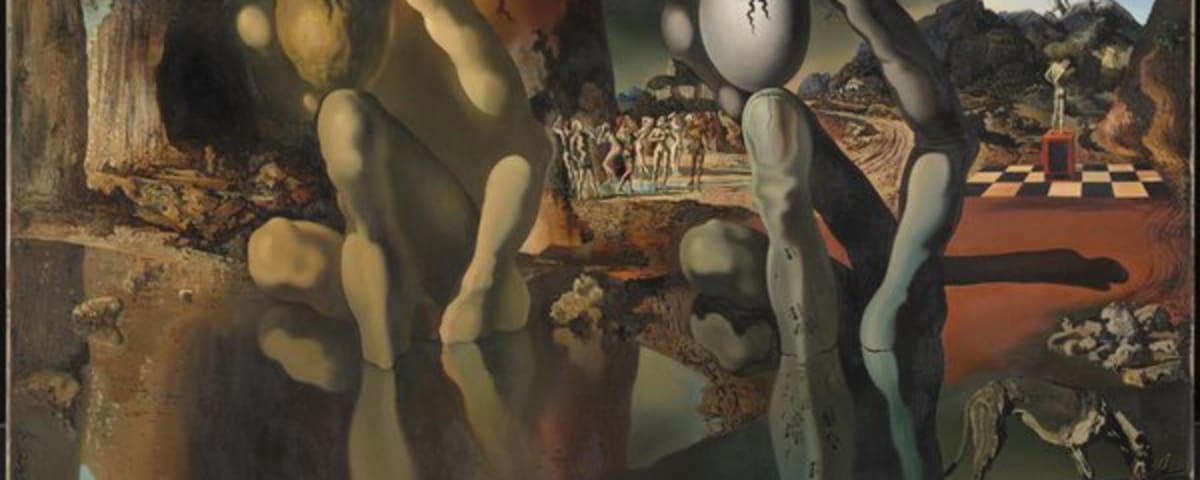
Illusionism is painting that creates a convincing illusion of a real object or space, or sculpture in which a figure is rendered so lifelike that it appears alive. The term covers a broad range of devices, from meticulous light-and-shade modelling to the use of linear and aerial perspective. The origins of illusionism reach back to antiquity — Pliny the Elder describes the contest between Zeuxis and Parrhasius, in which painted grapes supposedly attracted birds. Illusionism reached its most spectacular flowering in the art of the Renaissance and Baroque, when masters painted the ceilings of churches and palaces so that the architecture seemed to continue into the sky (the di sotto in su technique). Outstanding examples include the ceiling frescoes of Andrea Pozzo and Correggio. Illusionism is closely linked to trompe l'oeil and quadratura. In Ukrainian monumental painting, illusionistic murals adorned the interiors of Baroque churches, testifying to a deep assimilation of the European tradition of illusory space.




