




Industrial design
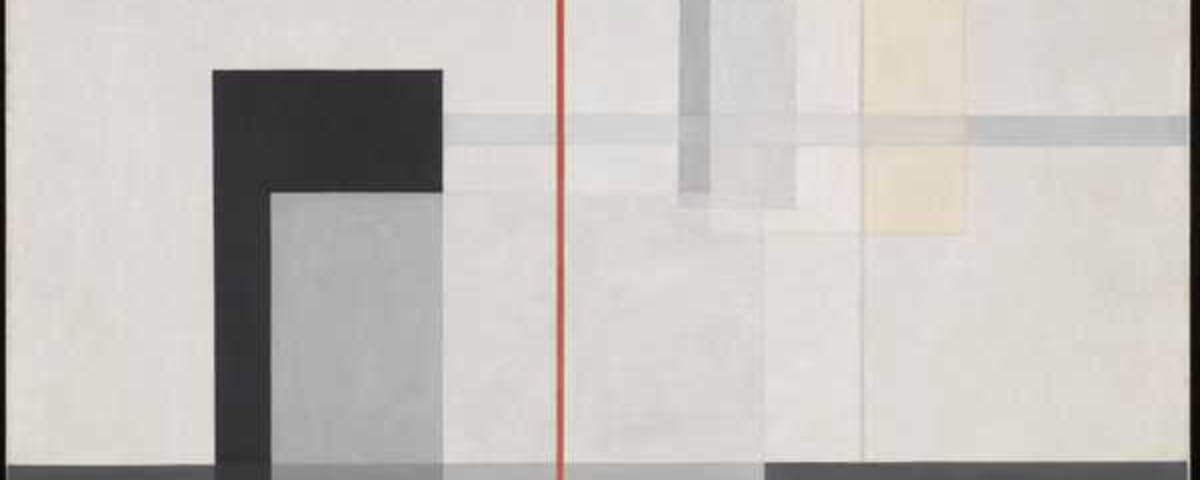
Industrial design is the design of mass-produced, machine-made objects of everyday life and technology, in which aesthetics is combined with function, ergonomics and manufacturability. The designer determines the form, materials and use of a product — from furniture and tableware to transport and electronics — so that it is convenient, suited to serial production and attractive to the consumer. The discipline arose from the Industrial Revolution, when handcraft gave way to the factory line and a need emerged to shape the appearance of replicated goods deliberately. Key milestones include the Arts and Crafts movement, the German Werkbund and the Bauhaus school, which in the early twentieth century proclaimed the unity of form and function and laid the foundations of modern design. The Ukrainian design tradition developed in the context of VKhUTEMAS, Constructivism and later art-industrial schools, where specialists worked on shaping the object environment. Today industrial design embraces digital interfaces, sustainability and human-centred design, remaining at the intersection of art, engineering and economics.




