




Japonisme
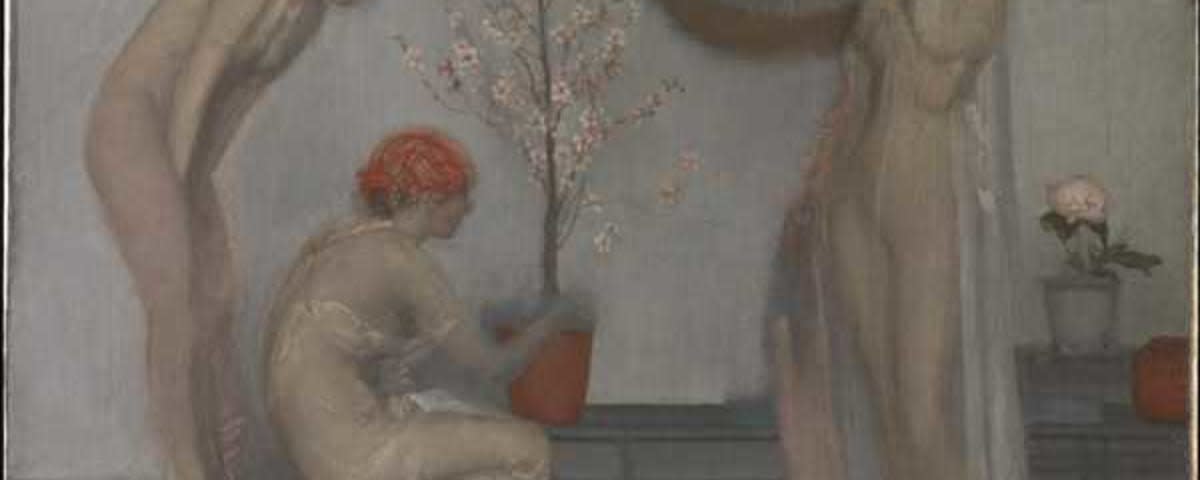
Japonisme (French Japonisme) is a term coined in the late nineteenth century for the Western fascination with Japanese art and design, which erupted after Japan was opened to trade in the 1850s. Colour woodblock prints (ukiyo-e) by masters such as Hokusai and Hiroshige, together with Japanese ceramics, fans, kimonos and folding screens, were imported into Europe in quantity and eagerly collected. Artists borrowed from them bold cropping, a high horizon line, flat fields of saturated colour, decorative outlines, asymmetry and a rejection of academic perspective. The influence of Japonisme is evident in the work of Édouard Manet, Edgar Degas, Claude Monet, Vincent van Gogh, James McNeill Whistler and the Nabis. The enthusiasm extended to the applied arts, shaping Art Nouveau, the poster and graphic design. Japonisme became one of the key catalysts in the passage from Realism to Modernism, unsettling European assumptions about space, composition and the role of the decorative in art.




