




Matter painting
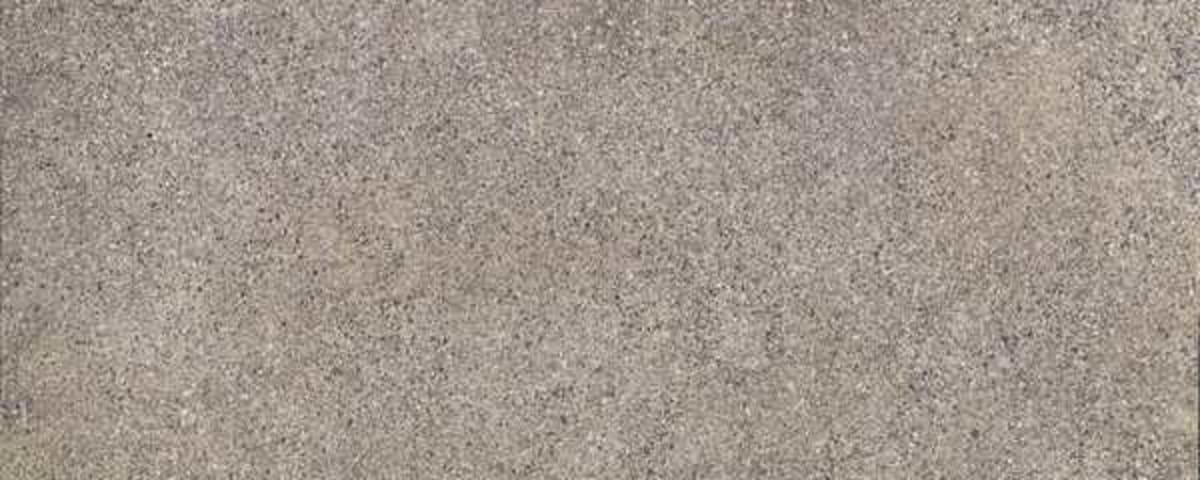
Matter painting is a technique in which foreign materials — sand, earth, cement, plaster, sawdust, shells, or scraps of fabric — are added to thick impasto paint in order to give the surface a tangible physical texture and weight. Instead of depicting the world, the artist emphasises the very materiality of the work, turning the canvas into an object with its own relief and substance. This practice flourished in European art after the Second World War, within Art Informel and Tachisme of the 1940s and 1950s, as a reaction against geometric abstraction and a striving for immediate, almost organic expressiveness. Leading practitioners of matter painting were Jean Dubuffet, with his «texturologies», and the Spanish artist Antoni Tàpies, who mixed marble dust and sand to create wall-like surfaces bearing traces of scratches and inscriptions. The technique influenced the development of assemblage and blurred the boundary between painting and sculpture, enriching the vocabulary of postwar abstraction.




