




Monoprint
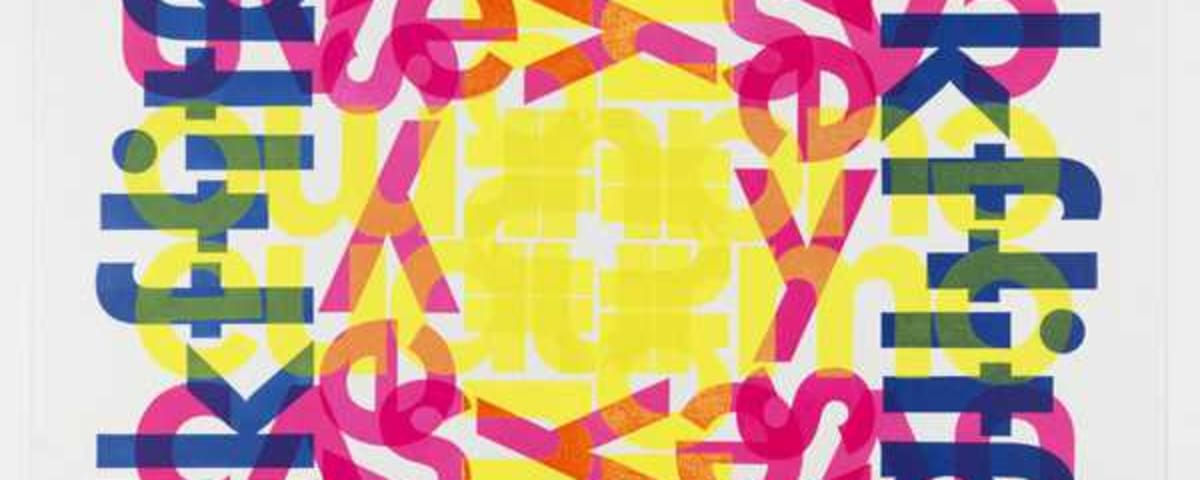
Monoprint is a form of printmaking in which an impression of a given image can be produced only as a single copy, unlike most types of printing that allow many identical impressions to be made. Unlike pure monotype, a monoprint has a fixed matrix — an engraved, etched, or otherwise worked plate with an unchanging underlying design — but each time it is re-inked by hand, with added colours, wiping, or brushstrokes, so that every impression becomes unique. Thus a repeatable printed element and a singular painterly gesture are combined. The term is often used alongside monotype, and the boundary between them can be blurred. Monoprint appeals to artists for its freedom of experiment, its blend of chance and control, and its richness of texture and colour. The technique was used by Edgar Degas and Paul Gauguin, and in the twentieth century by many masters seeking individuality within the printed medium, including representatives of the Ukrainian graphic school who valued the singularity of each sheet.




