




Motif
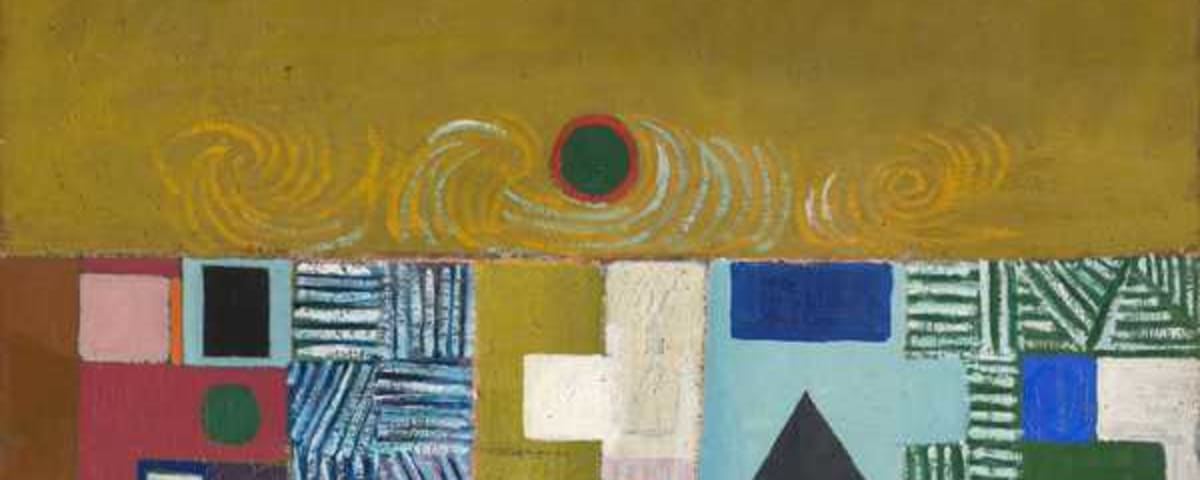
A motif in art is a recurring element, image, theme or pattern that appears in a work and plays a structural or semantic role in its construction. A motif may be a specific object (a skull, a flower, a window), a formal device (a particular line, shape or patch of colour), or a recurring subject or theme to which an artist returns again and again throughout their oeuvre. The repetition of a motif creates rhythm, unity and internal connections, enriching perception and lending the work additional layers of meaning. The concept of the motif is especially important for the analysis of decorative art and ornament, where the repetition and variation of a given element is the basis of composition. At the same time, in a broader sense the motif denotes the particular fragment of the visible world that an artist chooses as the subject of depiction: thus the Impressionists spoke of the 'motif' in nature, and Paul Cezanne repeatedly returned to one favourite motif — Mont Sainte-Victoire — studying it in different light and seasons. In a wider cultural context, recurring motifs — the tree of life, the labyrinth, the mirror — travel across epochs and styles, binding works of art into a single tradition of images and symbols.




