




Neo-concrete
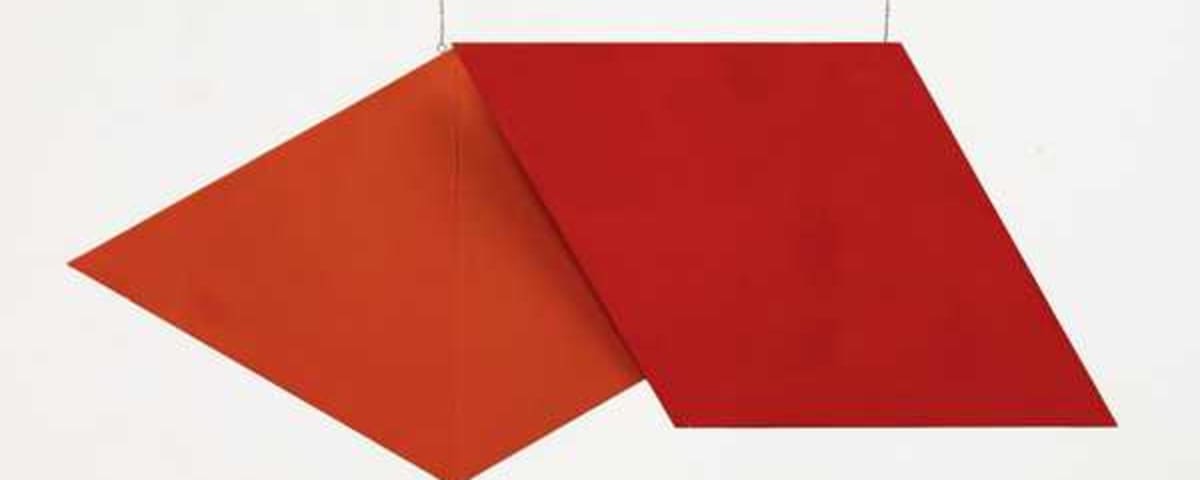
Neo-concrete art is an offshoot of the Brazilian concrete art movement that arose in the late 1950s in Rio de Janeiro as a call to restore to strictly geometric abstraction more sensuousness, colour, poetry and a human dimension. In 1959 a group of artists issued the 'Neo-Concrete Manifesto', written chiefly by the critic and poet Ferreira Gullar, in which they rejected the mechanistic, rationalist dogmatism of concrete art and stressed the living, bodily perception of the work. The leading figures of the movement were Lygia Clark and Hélio Oiticica. Clark created the 'Bichos' — hinged metal 'creatures' that the viewer could manipulate — while Oiticica developed coloured spatial constructions and later the 'Parangolés', cape-like garments to be worn and danced in. Neo-concrete art broke down the boundary between work and viewer, turning art into an interactive, sensory and even performative experience. The movement was short-lived, lasting into the early 1960s, but it exerted an enormous influence on later Latin American and world art, anticipating the participatory and corporeal practices of subsequent Conceptualism.




