




Neue Künstlervereinigung München (NKV)
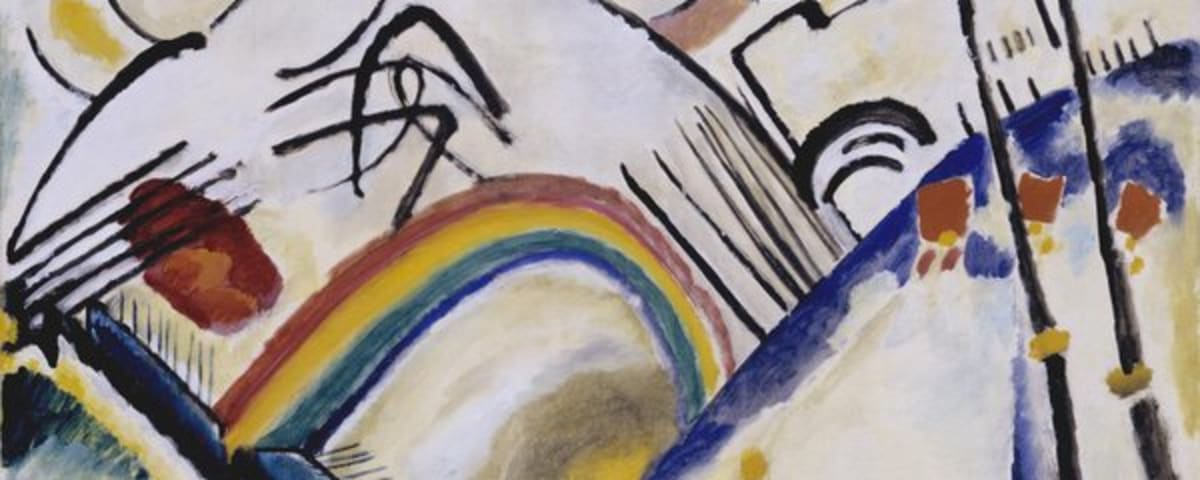
The New Artists' Association of Munich (German Neue Künstlervereinigung München, abbreviated NKV) is an avant-garde exhibiting society founded in Munich in 1909 by a group of artists dissatisfied with the conservatism of the official art associations. The association sought to establish a new art free of academicism, oriented toward spiritual content, symbolism and an increasingly bold treatment of colour and form at the threshold of abstraction. Wassily Kandinsky became chairman of the society, and among its leading members were Alexej von Jawlensky, Marianne von Werefkin, Gabriele Münter and Adolf Erbslöh. The NKV mounted several exhibitions that introduced the Munich public to the newest European tendencies, including Fauvism and Cubism. However, tension grew within the group between the moderate members and the more radical wing led by Kandinsky, who was moving ever more decisively toward non-objective art. In 1911, following a sharp split, Kandinsky, Franz Marc and Münter left the association and founded the famous Blue Rider (Der Blaue Reiter). The NKV thus served as an important intermediate stage from which one of the most influential movements of German Expressionism grew.




