




Participatory art
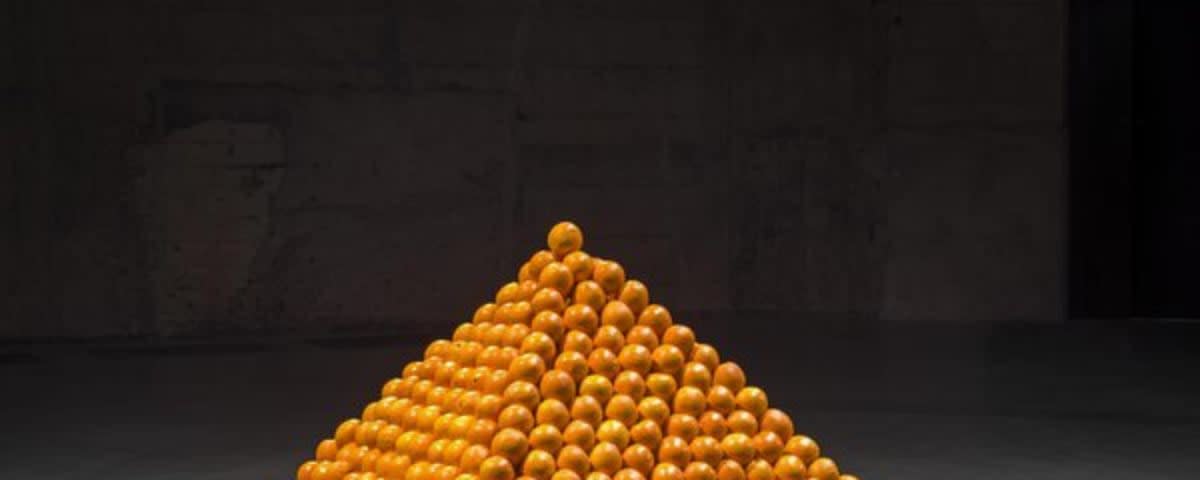
Participatory art is a form of art that directly involves the audience in the creative process, transforming viewers from passive spectators into active participants and co-authors of the event. Unlike a traditional work that exists as a finished object, a participatory work is realized only through the action, interaction, and experience of the people who take part in it. The roots of this approach reach back to the avant-garde experiments of the Dadaists and Futurists in the early twentieth century, as well as the Happenings of the 1950s and 1960s and the activity of the Fluxus movement. Theorists, notably Claire Bishop in her book "Artificial Hells," analyze participatory art through the lens of the ethics, aesthetics, and politics of participation, viewing collective action as a way of critiquing individualism and market relations in art. Well-known practitioners include Tino Sehgal, Rirkrit Tiravanija, and collectives of socially engaged art. Participatory practices are closely linked to relational aesthetics and New Genre Public Art and have substantially expanded ideas about authorship, the role of the viewer, and the social function of contemporary art.




