




Perspective
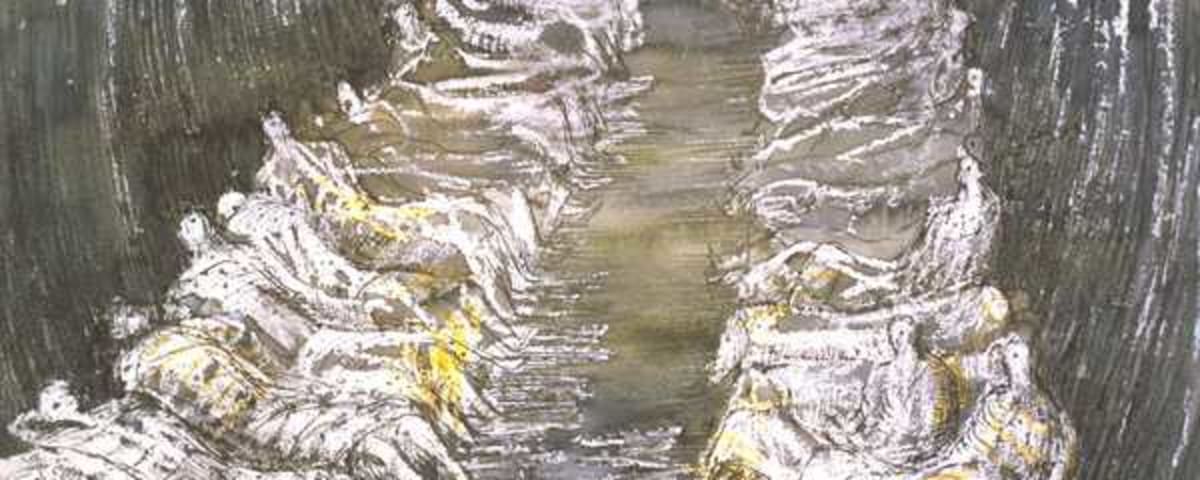
Perspective is a system for representing objects of three-dimensional space on the two-dimensional surface of a picture so as to convey an impression of depth, distance, and volume. Its most influential variety is linear perspective, in which parallel lines, as they recede, appear to converge towards one or several vanishing points on the horizon line, while objects diminish in proportion to their distance. The mathematical foundations of linear perspective were developed in Renaissance Florence: the first experiments are credited to the architect Filippo Brunelleschi around 1415, and they were set out theoretically by Leon Battista Alberti in his treatise «On Painting» (1435). This discovery fundamentally transformed European art, enabling artists to construct a convincingly coherent, measurable space. Alongside linear perspective there is aerial (atmospheric) perspective, which conveys depth through the softening of colour and clarity of distant objects, as in the works of Leonardo da Vinci. Perspective remained the basis of academic painting for centuries, until twentieth-century modernists began deliberately to reconsider and dismantle its conventions.




