




Picture plane
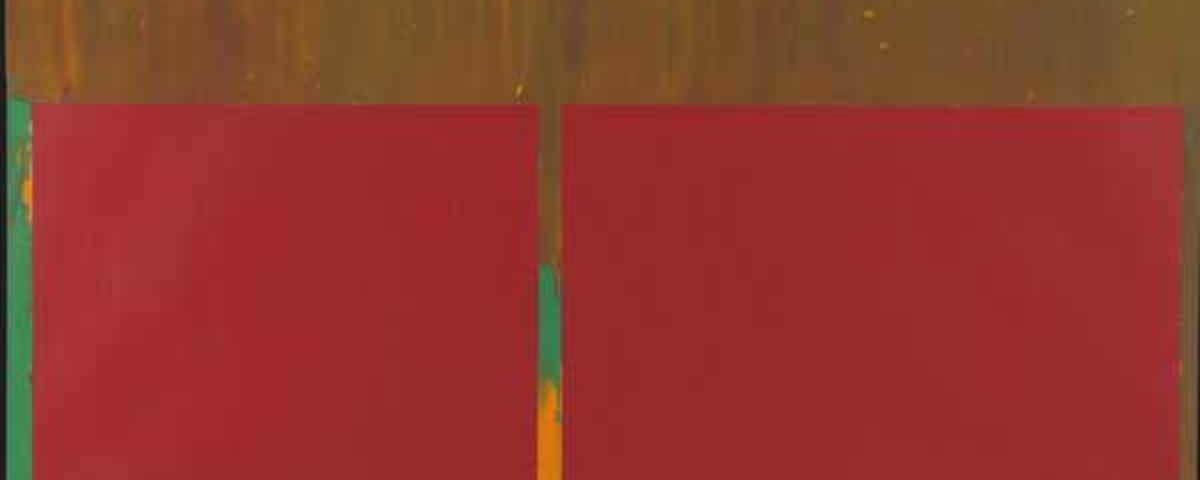
The picture plane is the notional physical surface of a painting or drawing, that is, the flat plane of the canvas, paper, or panel on which the image is created. In art theory the picture plane is often imagined as a transparent window through which the viewer looks onto the depicted world. This concept is key to understanding perspective and the illusion of depth: in Renaissance painting artists developed linear perspective in order to create, on the flat picture plane, a convincing illusion of a three-dimensional space that appears to recede behind the surface. The relationship between the picture plane and illusory space became a central problem of modern art. In the late nineteenth and early twentieth centuries, artists began deliberately to draw attention to the flatness of the surface instead of concealing it with the illusion of depth. Paul Cézanne, and later the Cubists, destroyed traditional perspective, emphasising the two-dimensionality of the canvas. The critic Clement Greenberg regarded the assertion of the flatness of the picture plane as the defining feature of modernist painting and a sign of its honesty toward its own medium. Thus the concept of the picture plane became not only a technical term but also the conceptual heart of debates about the nature of painting, illusion, and abstraction.




