




Pittura Metafisica
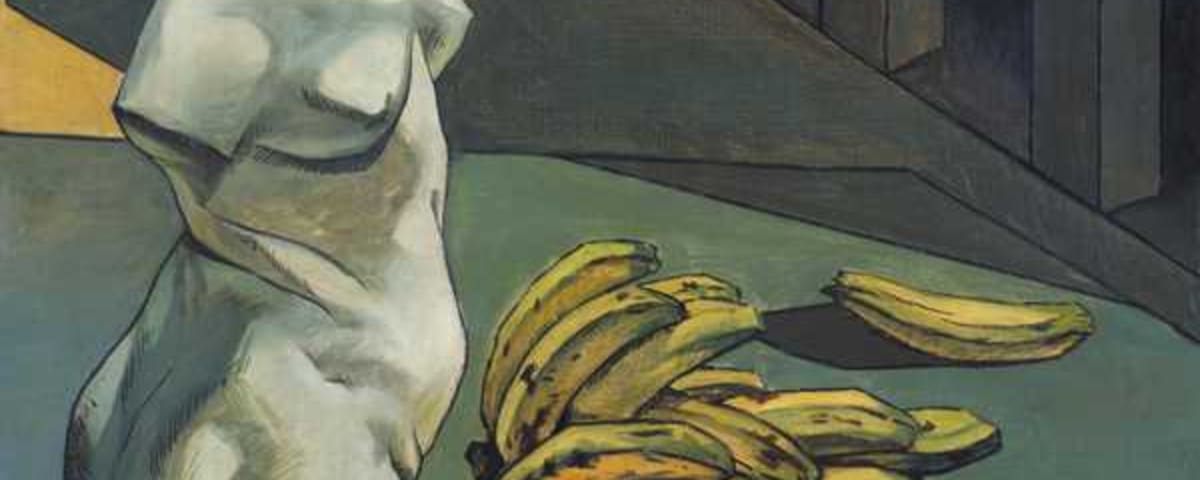
Metaphysical Painting (Pittura Metafisica) was an Italian art movement of the early twentieth century characterized by dreamlike, unsettling images of deserted arcaded squares with unexpected juxtapositions of objects. The tendency originated around 1910–1911 in the work of Giorgio de Chirico and received its name and theoretical formulation during the First World War, when de Chirico met the painter Carlo Carrà in the city of Ferrara around 1917. Metaphysical Painting depicted empty urban spaces with sharp shadows, classical arcades, mannequins in place of people, geometric instruments, and everyday things wrenched from their usual context. This created a sense of mystery, frozen time, and hidden meaning behind visible reality. The artists sought to reveal the "metaphysical" essence of things lying beyond ordinary perception. Besides de Chirico and Carrà, Giorgio Morandi is associated with the movement. Metaphysical Painting had an enormous influence on Surrealism, inspiring artists such as Max Ernst and René Magritte, and became one of the key sources of the art of the enigmatic and the unreal.




