




Scuola romana
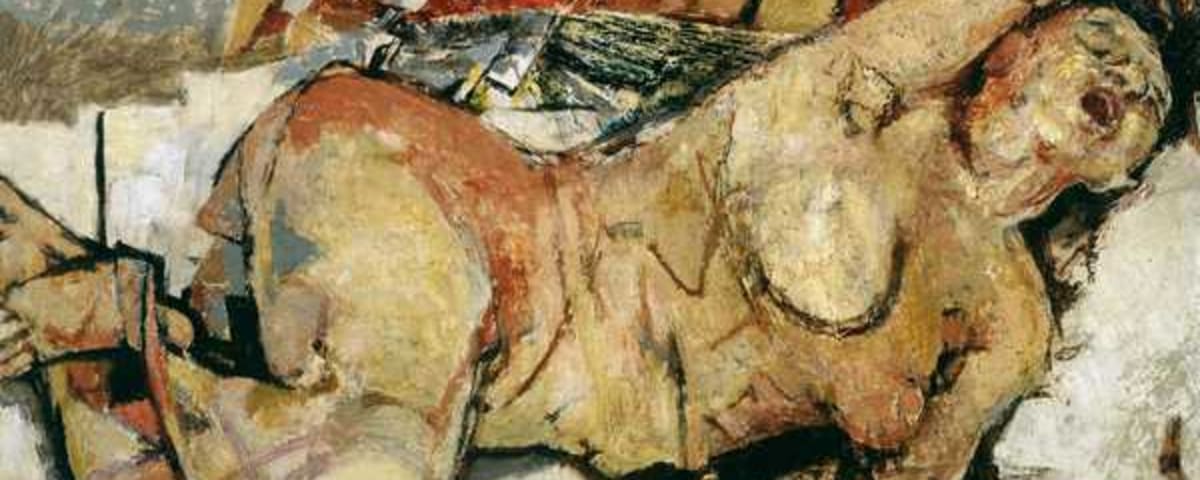
The Scuola romana (Roman School) is a general term for artists who worked in Rome or had close ties to it in the 1920s and 1930s and who resisted the official classicising art of the Fascist era. It was not a single institution but rather several centres, notably the circle of artists of the Via Cavour (Scuola di Via Cavour), which included Mario Mafai, Antonietta Raphaël and Scipione (Gino Bonichi), as well as a broader grouping of so-called tonalisti. They were united by a striving for emotionally charged, often Expressionist painting, devoted to colour and the materiality of paint. The artists of the Roman School developed an intimate, lyrical and frequently anxious imagery — urban landscapes, still lifes, portraits, scenes of demolished houses — that contrasted with the monumental rhetoric of the regime's official art. Important figures also included the sculptor and painter Marino Mazzacurati; the expressive, almost hallucinatory canvases of Scipione anticipated post-war tendencies. Antonietta Raphaël, an artist of Jewish origin, brought a cosmopolitan and multicultural dimension. The Roman School became an important alternative to the state art of interwar Italy and prepared the ground for the post-war renewal of Italian painting.




