




Secession
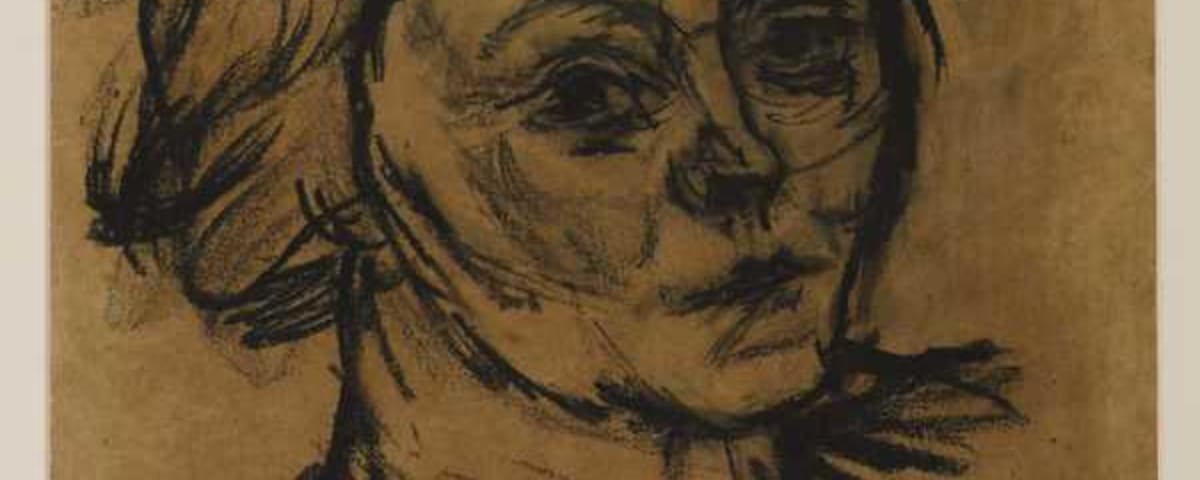
Secession (from the Latin secessio, "separation") is a term denoting the breaking away of younger and more radical artists from an existing academy or established art society in order to form a new association free from conservative rules and to provide their own exhibition venue. The phenomenon became widespread in German-speaking countries at the end of the nineteenth century. The most famous was the Vienna Secession, founded in 1897 by a group of artists led by Gustav Klimt, who became its first president. Its motto proclaimed: "To every age its art, to art its freedom." The members of the Vienna Secession, among them also Josef Hoffmann and Koloman Moser, built their own exhibition pavilion and published the journal "Ver Sacrum," promoting the Art Nouveau style and the idea of a synthesis of the arts. Earlier, in 1892, the Munich Secession arose, and later the Berlin Secession led by Max Liebermann. The Secession movement became an important form of modernization of European art, challenging the academic monopoly and opening the way to new aesthetic explorations at the turn of the century.




