




Simultanism
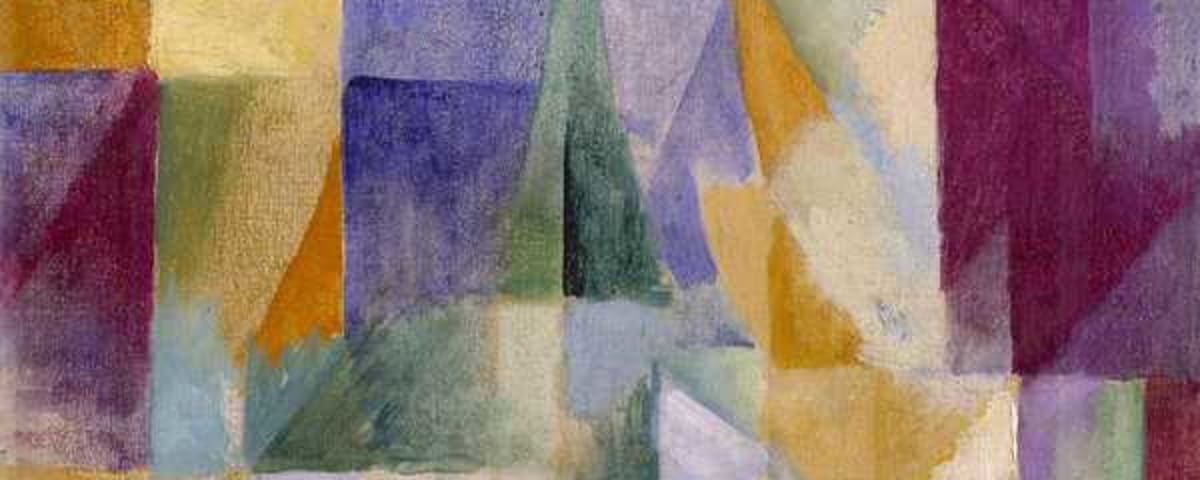
Simultanism (from the French simultané, "simultaneous") is a term introduced by the artist Robert Delaunay to describe the abstract painting developed by him and his wife Sonia Delaunay from around 1910–1912. The concept relied on the law of the "simultaneous contrast of colors," formulated in the nineteenth century by the chemist Michel-Eugène Chevreul, according to which adjacent colors mutually intensify one another and are perceived by the eye at the same time, producing a sense of vibration, movement, and light. In Simultanism color became the main means of constructing form and space rather than mere decoration; the interaction of contrasting colored planes was meant to convey the dynamism of modern life. Simultanism is closely linked to Orphism and became one of the key ideas in early abstraction. Sonia Delaunay extended these principles to textiles, book art, clothing design, and decorative panels, notably in the famous "simultaneous book" together with the poet Blaise Cendrars. Simultanism had a notable influence on the development of color abstraction and modernist design in Europe in the first half of the twentieth century.




