




Unit One
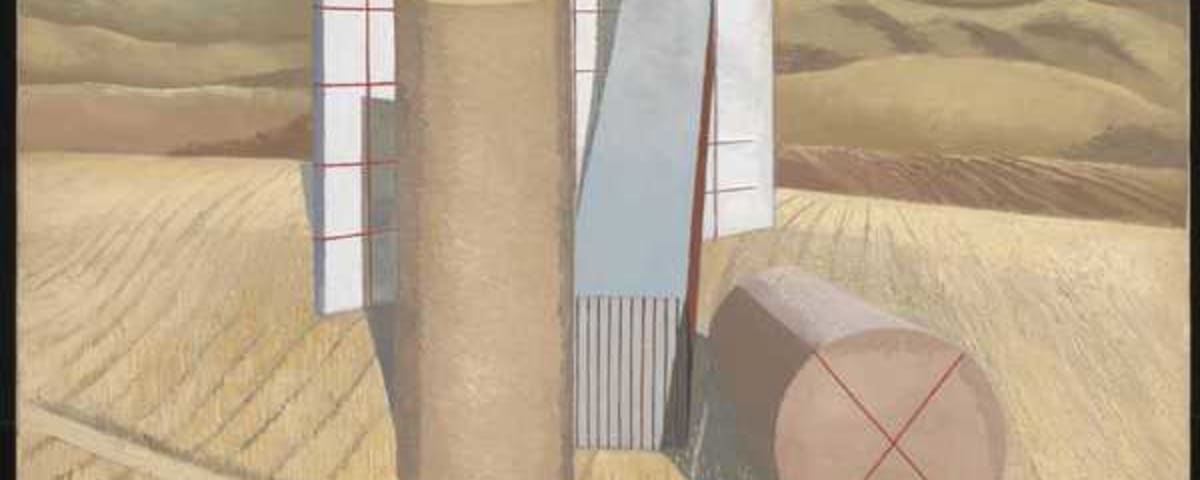
Unit One was a British group of painters, sculptors and architects founded in 1933 on the initiative of Paul Nash to promote modern art, architecture and design in Britain. Nash announced the group's formation in a letter to The Times, stressing the need for an expressive, conscious and systematic movement towards modernism that would counter the insular conservatism of British culture. The name was meant to symbolise unity of purpose while preserving the individuality of each member. The group included leading figures of future British modernism: the sculptors Barbara Hepworth and Henry Moore, the painters Ben Nicholson, Edward Wadsworth, John Armstrong and Tristram Hillier, and the architects Wells Coates and Colin Lucas. Within Unit One two tendencies coexisted — abstraction and Surrealism — reflecting broader currents of the European avant-garde. In 1934 the group held an exhibition that toured British cities and published a book-manifesto of the same name edited by Herbert Read. Although the association lasted only about two years, it played a decisive role in the emergence of British modernism in the 1930s.




