




Video
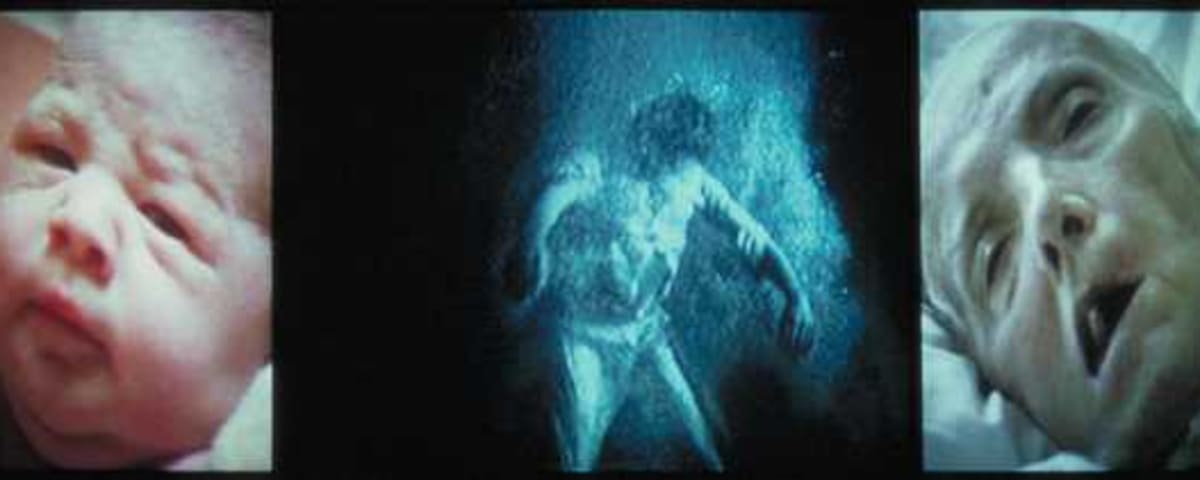
Video as an art form (video art) is art based on moving images that involves the use of video and/or audio data. Unlike film or television, video art usually lacks a commercial narrative structure and instead explores time, duration, the body, space and the medium itself. The form emerged in the late 1960s when affordable portable video cameras, notably the Sony Portapak, allowed artists to record and immediately replay footage. Nam June Paik is regarded as a pioneer, and his experiments with television sets and monitors laid the foundations of the genre. Video art developed through performance, closed-circuit installations and multi-channel projections; influential figures include Bill Viola and Bruce Nauman. As digital technology and projectors spread, video became one of the central media of contemporary art, often integrated into large-scale installations. In Ukraine video art developed vigorously from the 1990s in the practices of contemporary artists who used the moving image to reflect on memory, identity and social transformation.




