




White cube
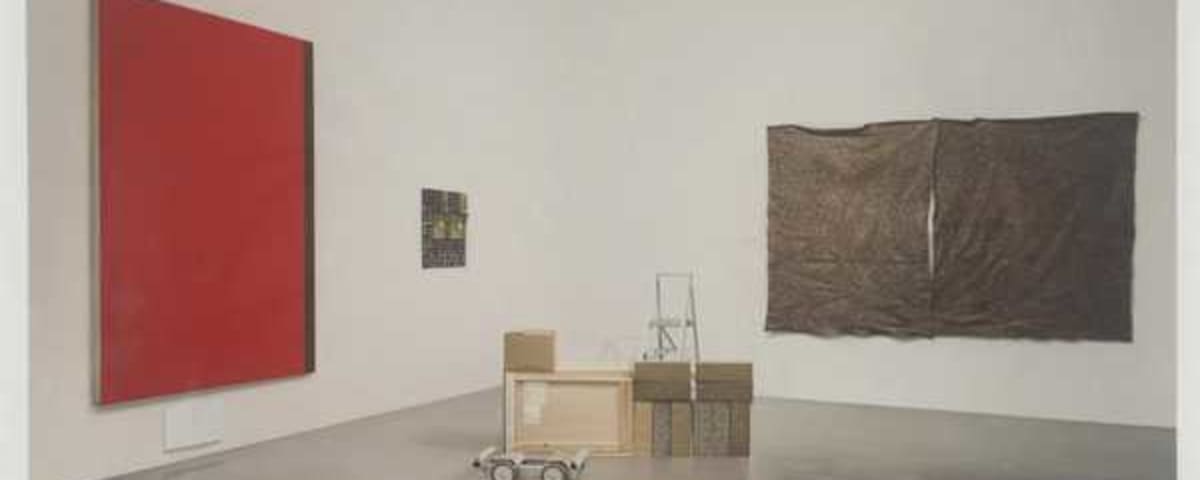
'White cube' is the established term for the dominant exhibition aesthetic of the twentieth century: a square or elongated space with plain white walls, a smooth floor and usually concealed overhead lighting. The aim of such a space is to remove any distracting elements so that the viewer concentrates solely on the works, which appear as isolated, self-sufficient objects. This 'neutral' shell became so widespread that it is perceived as the natural, almost invisible standard for displaying contemporary art in galleries and museums around the world. The concept itself was critically examined by the Irish artist and theorist Brian O'Doherty in the series of essays 'Inside the White Cube', published in Artforum in 1976. He showed that the white cube is not neutral at all: it carries an ideology, lending works of art an aura of sanctity, timelessness and market value while detaching them from their social and political context. This critique inspired numerous attempts to move beyond the gallery — site-specific art, installation, land art and practices working in public space. Despite all these challenges, the white cube remains the dominant model of display to this day.




