




British impressionism
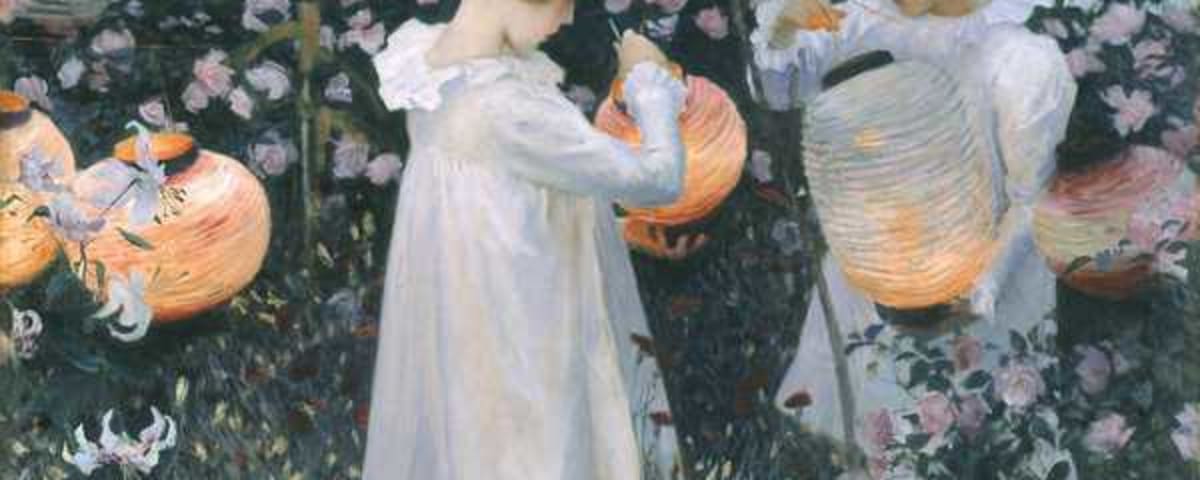
British Impressionism refers to artists who worked in Britain in the late nineteenth century under the influence of the ideas of the French Impressionists. They adopted a light palette, a free brushstroke, the depiction of modern everyday life and the desire to capture fleeting effects of light and atmosphere, while often retaining a greater attention to tonal modelling and structure than their French predecessors. An important role in spreading these ideas was played by the New English Art Club, founded in 1886 as an alternative to the conservative Royal Academy. Among its leading figures were Walter Sickert, who linked the British scene to Edgar Degas and conveyed the sombre poetry of urban interiors and music halls; Philip Wilson Steer with his luminous coastal landscapes; and the American James Abbott McNeill Whistler, who worked in London. The presence of Claude Monet, whose London series inspired local artists, was also significant. British Impressionism adapted French innovations to national taste and landscape, becoming a bridge to twentieth-century modernist art in Britain.




