




Constructionism
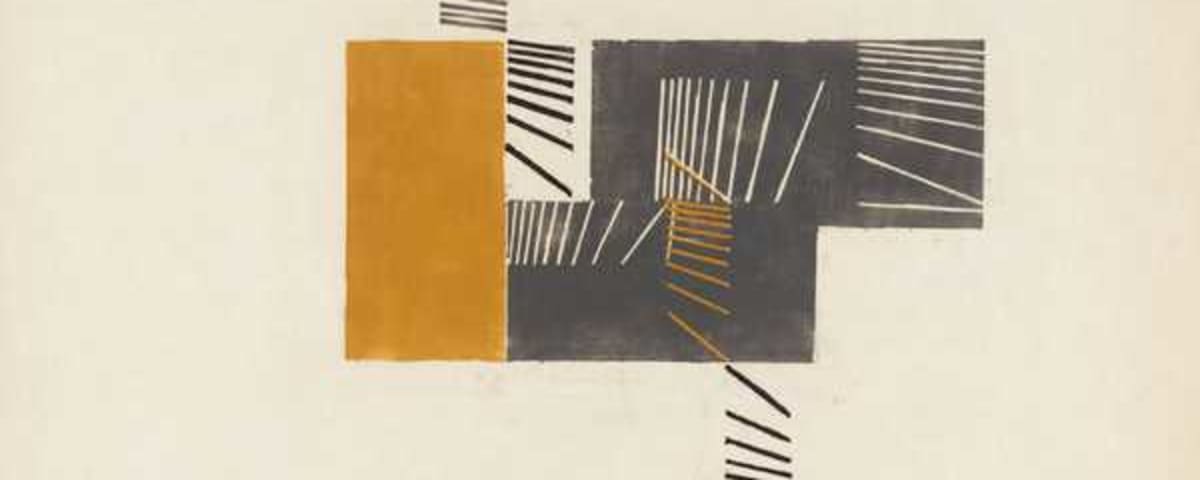
Constructionism is a strand of abstract art that developed in Britain from around 1950 as a late extension of the constructivist tradition. Rather than depicting the visible world, its practitioners sought to build the artwork according to objective, rational principles. They drew on naturally occurring proportional systems, mathematical sequences and rhythms to give geometric abstraction a sense of underlying order and harmony. Leading figures included Victor Pasmore, Kenneth Martin, Mary Martin and Anthony Hill, who produced reliefs, constructions and mobiles using industrial materials such as metal, glass and plastic. Constructionism rejected emotional spontaneity in favour of clarity, precision and structure, treating the work of art as something constructed rather than imitated. The movement is significant for carrying forward the analytical, materials-based ethos of European constructivism into the post-war period, and for its influence on later systems-based and kinetic art. It demonstrated that abstraction could be grounded in logic and measurement rather than in expressive impulse, offering an alternative to the gestural painting dominant at mid-century.




