




Fairy painting
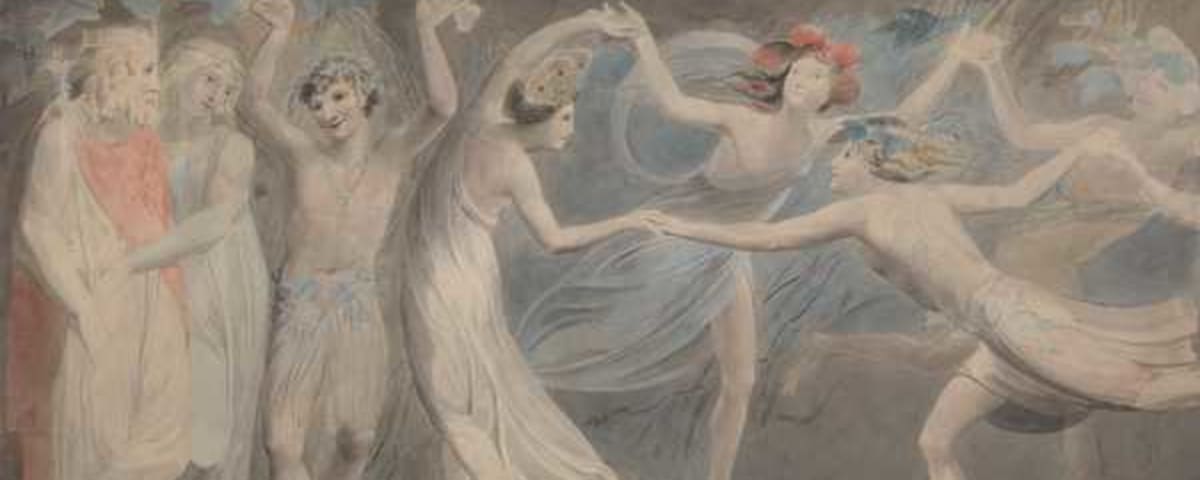
Fairy painting is a genre depicting fairies, elves, gnomes and other creatures from folklore, mythology and the supernatural world. It is especially closely associated with Victorian Britain of the mid and later nineteenth century, when a fascination with fairy tales, legends and the otherworldly combined with an interest in literature — above all in Shakespeare's plays A Midsummer Night's Dream and The Tempest, which became favourite sources of subject matter. Such paintings are distinguished by extraordinary detail, the small scale of the figures and a fantastical, sometimes unsettling atmosphere. Among the best-known masters of the genre is Richard Dadd, whose meticulously obsessive The Fairy Feller's Master-Stroke (1855-1864) was created during the artist's confinement in a psychiatric hospital, as well as Joseph Noel Paton and John Anster Fitzgerald. Fairy painting reflected complex currents of Victorian culture: an escape from industrial reality into the world of imagination, an interest in childhood, the afterlife and the unconscious, and sometimes hidden erotic or anxious undertones. Today these works are valued for their technical mastery, rich fantasy and their peculiar window onto the psychology of the age.




