




Fin de Siècle
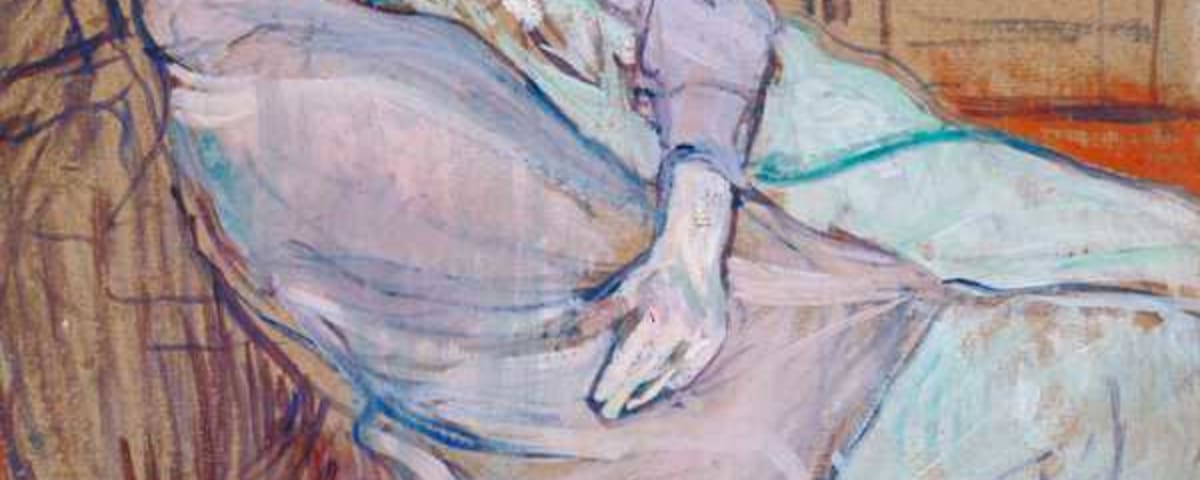
Fin de siècle is a French phrase used chiefly as a historical term to denote the end of the nineteenth century, and more precisely the decade of the 1890s. It conveys the distinctive atmosphere of that age: a mixture of refined weariness, pessimism and a sense of an era coming to a close, combined with a restless anticipation of renewal and of something new. Culturally, fin de siècle is closely bound to Decadence, Symbolism and Aestheticism; its hallmarks were a fascination with artifice, eroticism, mysticism, morbid beauty and the dissolution of established values. In the visual arts the mood of the period was embodied in Art Nouveau with its flowing lines, the graphic art of Aubrey Beardsley, and the Symbolist painting of Gustav Klimt and the Vienna Secession. It was a time of turbulent social change, scientific discovery, urbanisation and anxiety about the future. The turn-of-the-century atmosphere also nourished modern culture across Europe, where Symbolism, Secession and the aesthetics of formal renewal marked painting, graphics and literature. The term is still used to describe the tense, exquisite moods that accompany the turning of historical epochs.




