




Grand manner
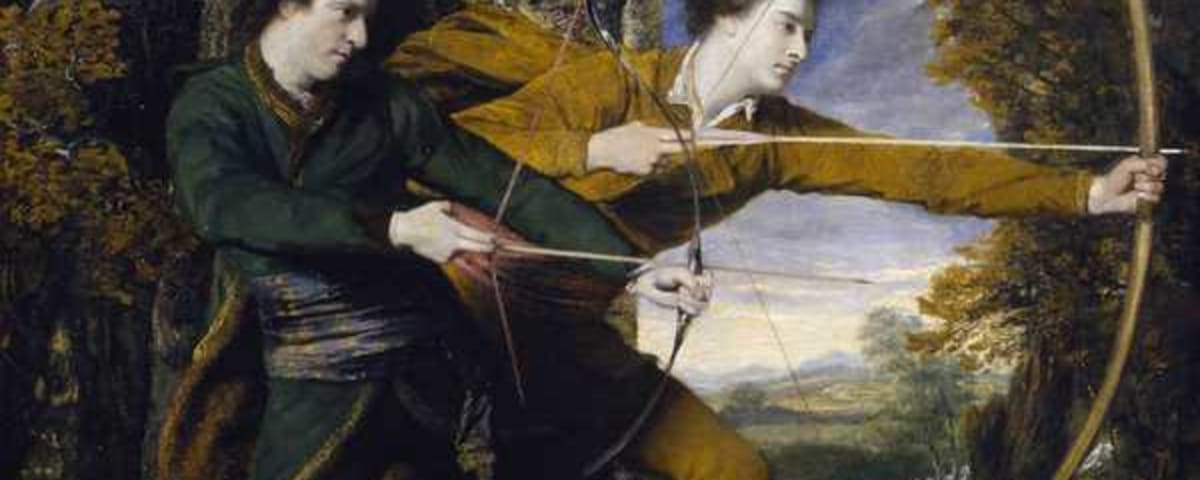
Grand manner is an English term for the highest, most noble style of art in academic theory, based on an idealised classical approach. It involves the depiction of elevated, edifying subjects—from history, mythology, religion or literature—in a monumental, heroic form. Rather than copying nature exactly with all its flaws, the grand manner artist was expected to improve and generalise it, raising the particular to the level of the ideal and universal in imitation of the models of antiquity and the masters of the High Renaissance, above all Raphael. The concept derives from the theory of the hierarchy of genres, in which history painting was regarded as the highest and worthiest kind of art. In Britain the ideas of the grand manner were most fully articulated by Joshua Reynolds, the first president of the Royal Academy, in his celebrated Discourses, where he urged young artists to model themselves on great history painting. Although Reynolds himself was famous chiefly as a portraitist, he sought to give his portraits a heroic elevation. The grand manner reflected the conviction that the task of art was not to entertain but to raise the viewer morally and spiritually, and it remained an influential ideal until the decline of the academic tradition in the nineteenth century.




