




Intaglio
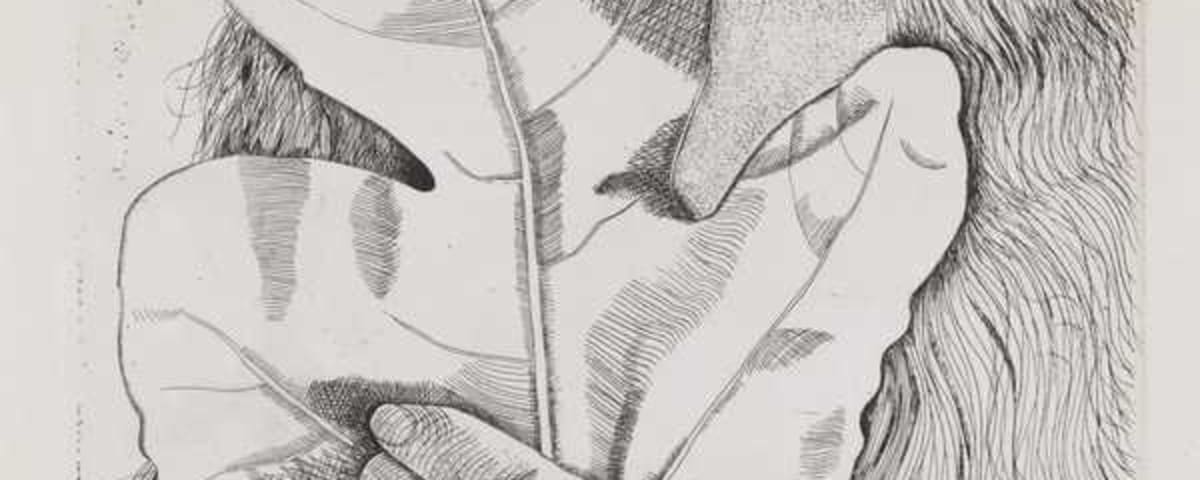
Intaglio (from the Italian intaglio, «carving» or «incising») is a general term for printmaking methods in which the image is formed by recesses in the printing plate: it is precisely the incised lines or etched areas that hold the ink. The plate, usually copper or zinc, is fully covered with ink, after which the surface is wiped clean, leaving ink only in the grooves; under the pressure of the press, dampened paper is forced into the recesses and picks up the image. Intaglio techniques include engraving, etching, drypoint, aquatint, and mezzotint. This family of techniques is the opposite of relief printing (woodcut, linocut), where the raised elements hold the ink. Intaglio flourished in the fifteenth to eighteenth centuries in the work of Dürer, Rembrandt, and Goya. In Ukraine, copperplate engravings developed vigorously in the book and iconographic art of the Baroque era, notably in the workshops of the Kyiv-Pechersk Lavra.




