




Memento mori
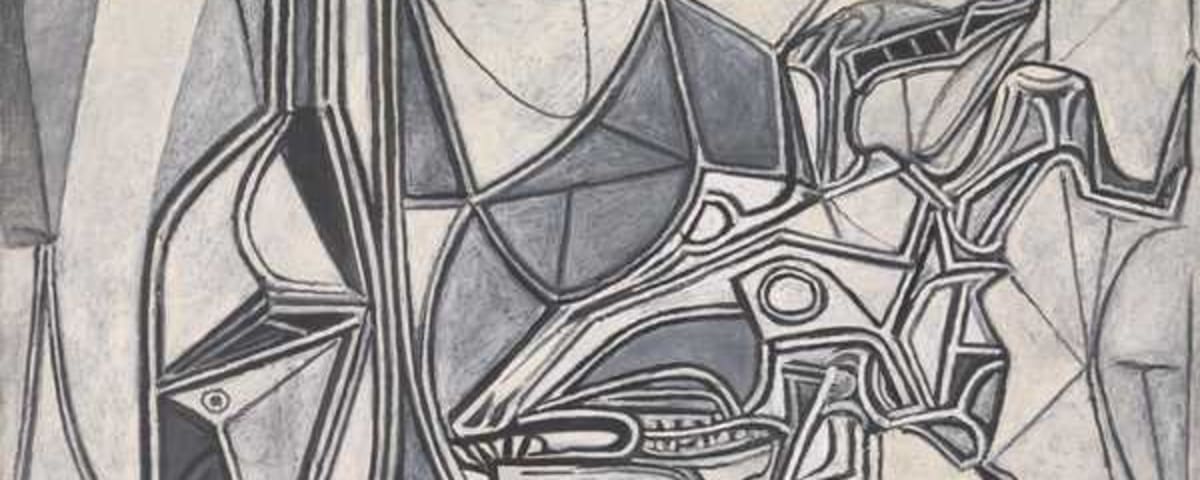
Memento mori (Latin for 'remember that you must die') is a work of art or motif created to remind the viewer of the inevitability of death, the transience of earthly life and the vanity of worldly goods. It is at once a philosophical and a moral admonition, rooted in the classical and Christian traditions: awareness of one's mortality was meant to encourage a person to live honestly, care for the soul and not become attached to the fleeting. In art the idea is embodied through a set of recognizable symbols. The most characteristic symbol of memento mori is the human skull, along with extinguished candles, hourglasses and clocks (the passage of time), wilted flowers, rotting fruit, soap bubbles and bones. These images flourished in European Baroque art, especially in the vanitas still lifes of the seventeenth century, as well as in funerary sculpture, portraits and the religious painting of the Middle Ages and the Renaissance. The motif was often combined with motto inscriptions. Memento mori reflected a deep religiosity and an acute sense of the fragility of life, intensified by plague epidemics and wars. The idea and symbolism of mortality continue to inspire artists in contemporary art, from Damien Hirst to conceptual installations.




