




Scottish Colourists
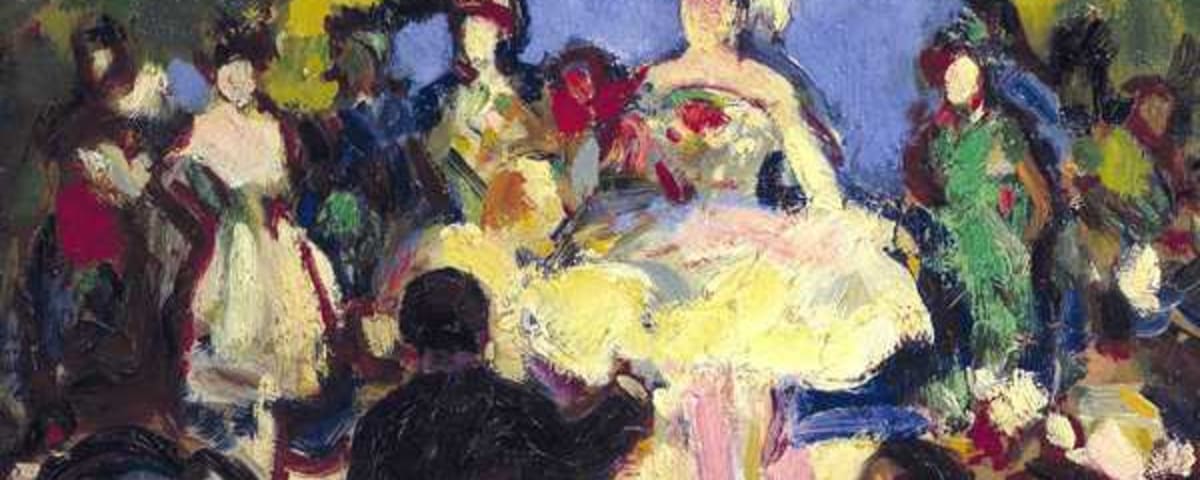
The Scottish Colourists were a group of four Scottish painters who, in the early twentieth century, were among the first to bring the intense colour and bold handling of French Post-Impressionism and Fauvism to Britain. They were Samuel John Peploe, Francis Campbell Boileau Cadell, John Duncan Fergusson and George Leslie Hunter. Although they never formed a formal association, the four exhibited together three times, first in 1924 at the Galerie Barbazanges in Paris ('Les Peintres de l'Ecosse Moderne'); the name gained currency later, notably through T. J. Honeyman's book Three Scottish Colourists (1950). They were united by shared artistic orientations and close ties to Paris. All four lived or studied in France for extended periods and were influenced by Manet, Cézanne, Matisse and the Fauves. They painted brilliant still lifes, landscapes of the Scottish coast and islands, elegant interiors and portraits, combining saturated colour with decisive, simplified forms. Fergusson was the closest to the continental avant-garde and worked actively within the Paris milieu, while Peploe became famous for his refined still lifes of roses and tulips. The Scottish Colourists played a key role in modernising British painting, instilling in it a continental freedom of colour, and are today regarded as among the most important Scottish artists of the first half of the twentieth century.




