




Tableau
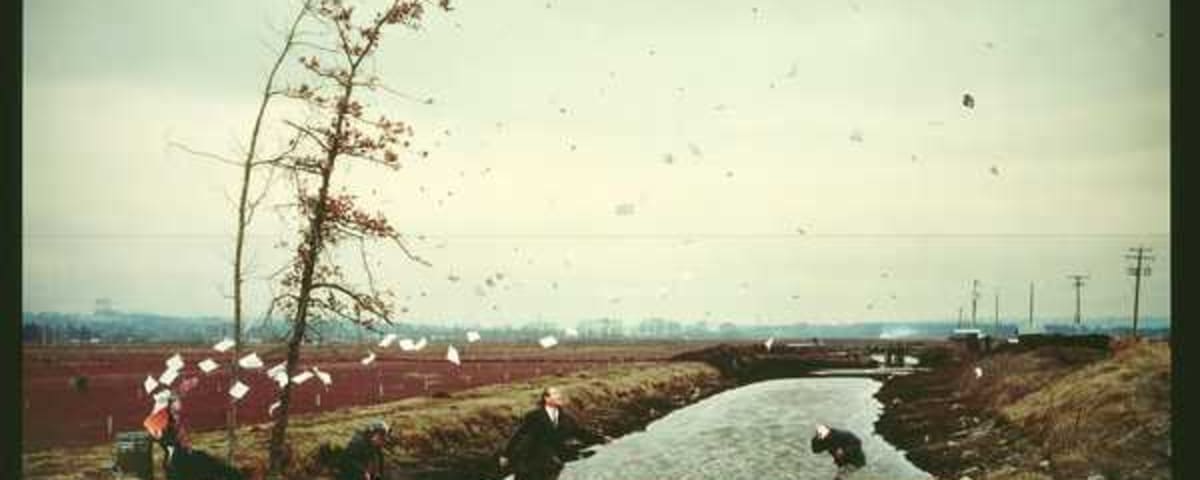
A tableau is a painting in which the figures are arranged for pictorial or dramatic effect and appear wholly absorbed in their actions, entirely unaware of the presence of the viewer. The term comes from the French tableau ("picture") and in art theory denotes a composition that presents itself as a self-sufficient, closed scene, as if a frozen moment of action. The figures do not "play to the audience" or address the viewer with a look or gesture, but behave as though the fourth wall between the picture and the onlooker did not exist at all. The notion of the tableau was developed in the eighteenth century by the philosopher Denis Diderot, who opposed the truthful absorption of figures in their action to artificial theatricality. Later the art historian Michael Fried, in his studies of "absorption" and "theatricality," showed how important this strategy was for the development of European painting from Chardin and Greuze onward. A related notion is the "living picture" (tableau vivant), in which live people froze in poses to reproduce a well-known painting. The idea of the tableau also influenced photography and cinema, where the staged, carefully composed "tableau" became a distinct expressive device of framing.




