




Tempera
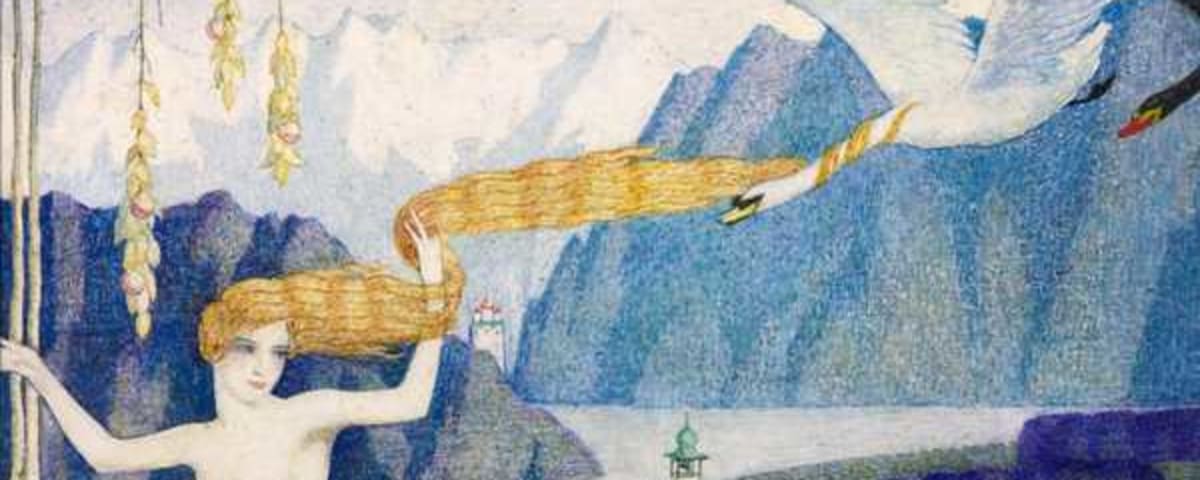
Tempera is a painting technique using pigments bound in a water-soluble emulsion, most often based on egg yolk (egg tempera), or in an oil-and-water emulsion of oil and whole egg. Mixed with water, the paint is applied to a prepared surface in thin, transparent layers; it dries quickly, becoming water-resistant, and in time acquires a pleasant matte hardness. Because of its rapid drying, tempera cannot be blended directly on the surface, so artists model form with small strokes and glazes, laying one layer over another. Tempera was the principal technique of easel and icon painting in late antiquity, Byzantium and the European Middle Ages, until the spread of oil at the end of the fifteenth century. The celebrated altarpieces of the early Renaissance were painted in it; masters used it on wooden panels covered with gesso. In the Byzantine-Rus and later Ukrainian icon-painting tradition, egg tempera was the principal material, and many icons were executed in it. In the twentieth century interest in tempera revived: artists valued its pure, luminous colour, durability and the discipline of the technique. Tempera remains in the arsenal of icon painters and painters who seek a strict, stable and translucent colouring today.




