




Tone
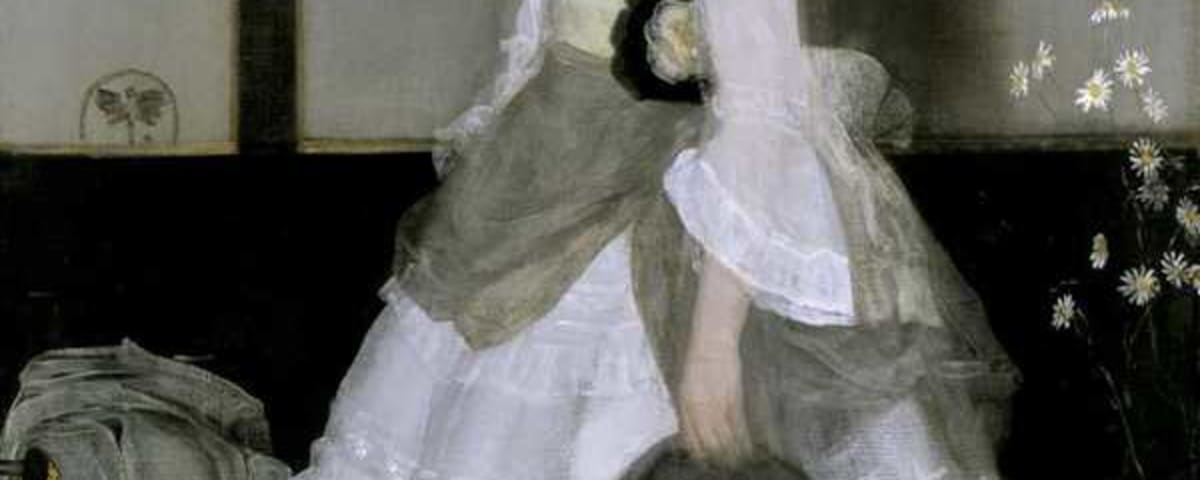
Tone in the visual arts is the degree of lightness or darkness of a colour or surface, independent of its chromatic hue. Artists distinguish colour by three main properties: hue itself (for example red or blue), saturation and tone (value or lightness). The ability to perceive and render tonal relationships is one of the fundamental skills of the draughtsman and painter, for it is the gradations of light and shade that create the illusion of volume, space and illumination on a flat surface. A charcoal or graphite drawing works almost entirely through tone. The systematic study of tone underlies the academic tradition and the technique of chiaroscuro, masterfully developed by Caravaggio and Rembrandt, who built dramatic contrasts between brightly lit and darkened areas. In painting, tonal unity is often more important than accuracy of colour: a muted, closely related range can establish a mood, while sharp tonal contrasts draw the eye and organize the composition. An understanding of tone is equally crucial to black-and-white photography and printmaking, where all expressive power rests on the play of greys between pure white and deep black.




