




Verso / recto
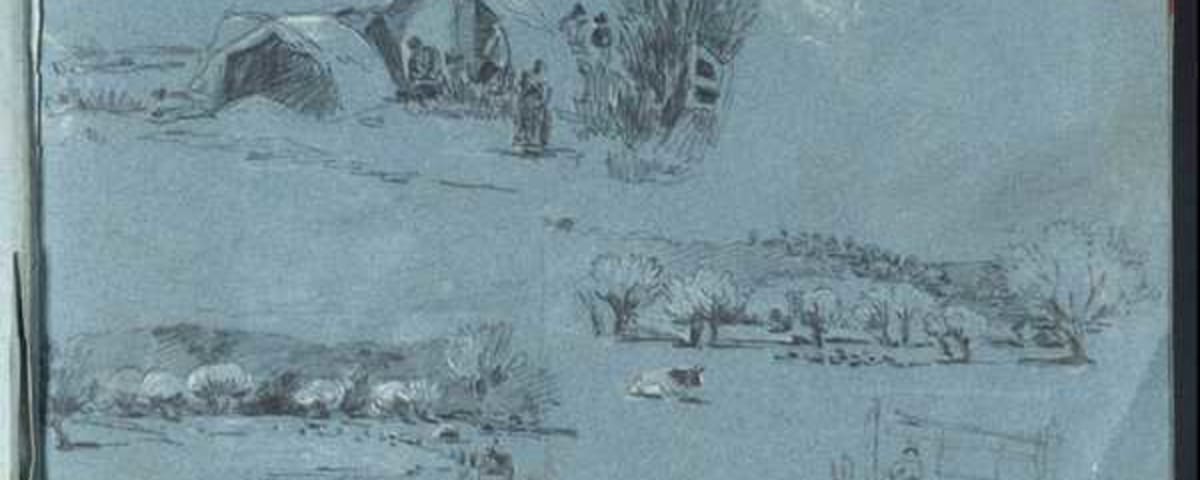
Recto and verso are terms denoting the two sides of a single sheet of paper, parchment or canvas. Recto is the front, principal side, and verso the back. In the context of an open book or manuscript, the recto is the right-hand page and the verso the left; these Latin words derive from the phrases 'recto folio' ('on the straight leaf') and 'verso folio' ('on the turned leaf'). The terms are widely used in codicology, bibliography and the study of prints, drawings and manuscripts to refer precisely to a particular side of a leaf. For art scholars the recto/verso distinction is highly significant. Artists often drew on both sides of a sheet, so the verso may reveal sketches, studies or even fully independent works. The back of a canvas or panel frequently preserves signatures, dates, seals, labels and inscriptions that help establish authorship, provenance and the history of ownership. The systematic study of both sides is an important part of technical examination, attribution and the cataloguing of works on paper, as well as of the conservation of museum collections.




