Ukrainian art & cultureOnline


Other dimensions of culture
Other dimensions of culture





Test mode: all content on this site is for testing and will be removed at launch.
Art Glossary
Ukrainian Art&Culture online glossary of art terms covers movements, styles and techniques such as Impressionism, Printmaking, Video art and more.

from Realismto Cyberpunk
34from Oilto 3D Modeling
8from Paintingto Design
7from Trypilliato Contemporary
2325 terms
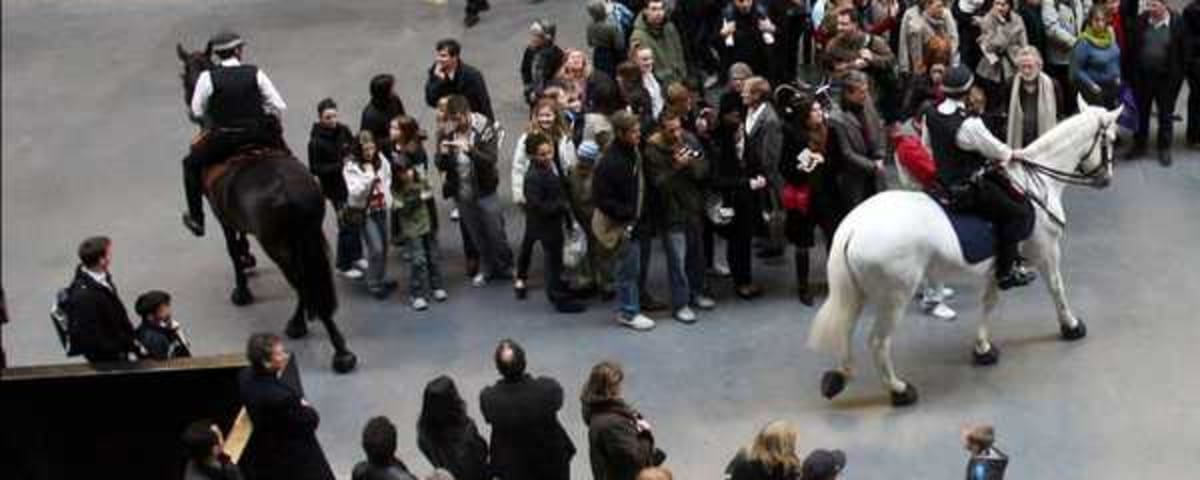
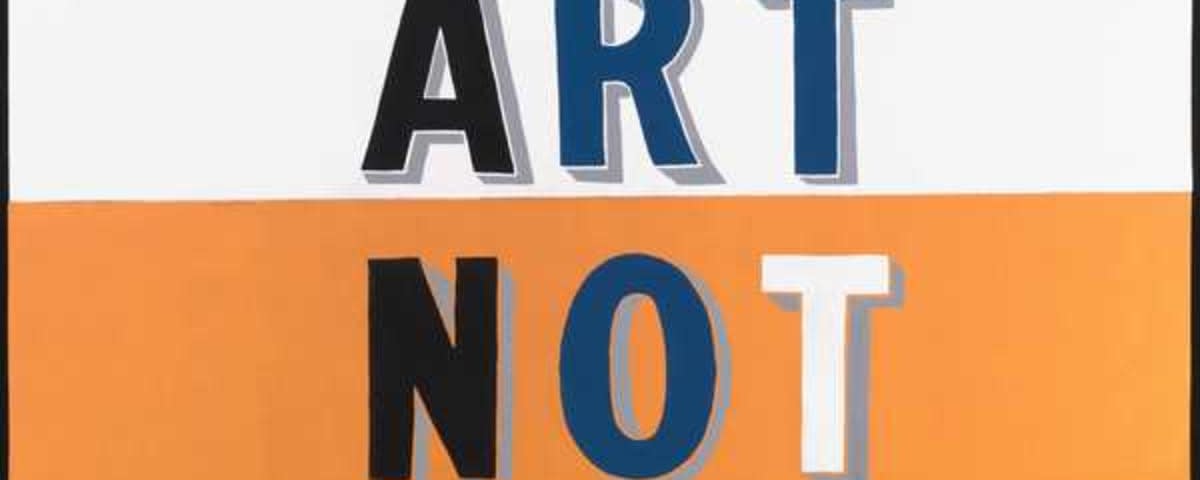
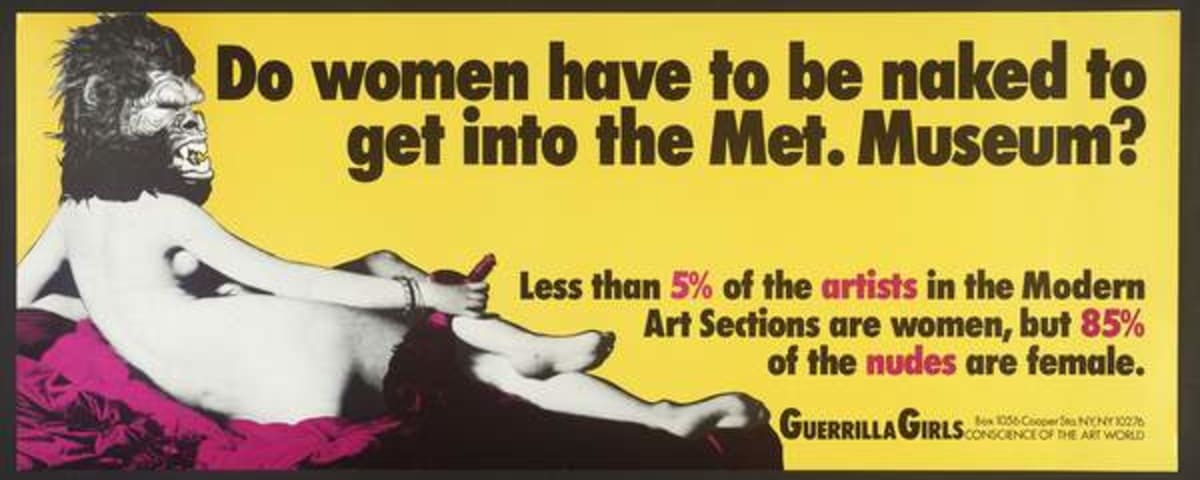
Activist art is a term describing art grounded in the act of doing and raising political or social issues. Unlike works meant to be contemplated in a gallery, activist art seeks to intervene directly in social processes, to draw attention to injustice, to mobilise communities and to prompt change. It often moves beyond the museum into the streets, public space and the digital environment. The roots of the tendency reach back to the avant-garde movements of the early twentieth century and the political art of the 1930s, but as a distinct practice it took shape from the 1960s and 1970s, in the context of the civil rights struggle, the feminist movement and anti-war protest. Activist artists and collectives use posters, performance, street art, installation and media campaigns; well-known examples include the Guerrilla Girls collective, which combats gender and racial inequality in the art world. Activist art is closely linked with socially engaged practice and blurs the boundary between artistic creation and civic action, emphasising art's function as an instrument of social transformation.
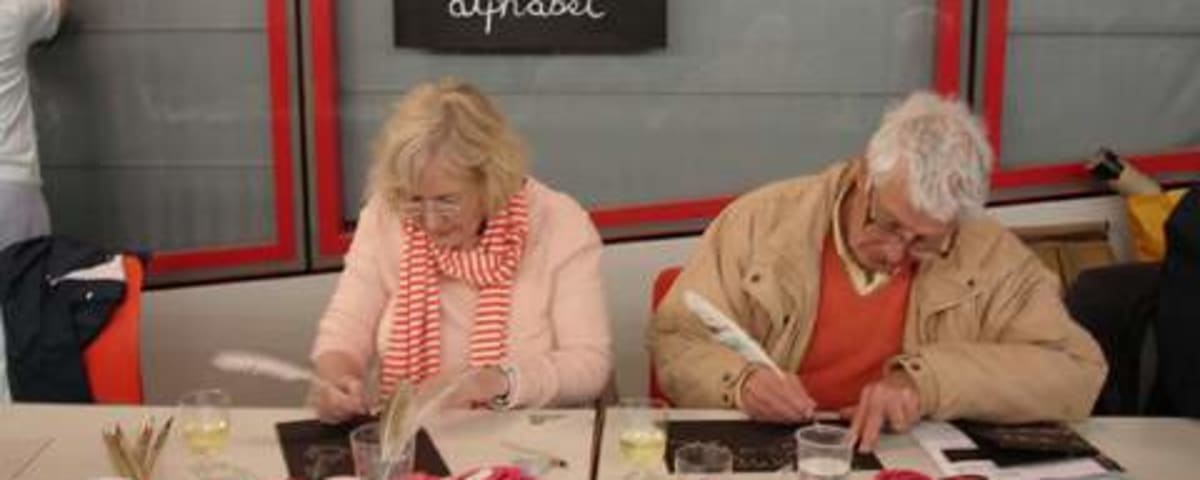
Community art is artistic activity that takes place in a community setting and is characterised by interaction or dialogue with that community; it often involves a professional artist who collaborates with local residents. The main emphasis falls not on the final object but on the process of shared creation, on involving people, empowering them and strengthening social ties. Here art becomes an instrument of social participation rather than a purely aesthetic product. The community art movement spread in the late 1960s and 1970s, when artists sought to move beyond elite galleries and make creativity accessible to broad sections of society, especially marginalised communities. Typical forms include murals, shared workshops, street festivals, theatrical events and projects in schools, hospitals and residential neighbourhoods. Community art is closely linked with activist and socially engaged art and raises questions about the role of the artist, authorship and participation. It emphasises that art can belong to everyone and be a means of collective self-expression, of solving local problems and of celebrating shared identity.

Cyberpunk is a visual and narrative aesthetic born in the science fiction of the 1980s that later unfolded into an independent style of digital art, illustration, concept art and design. Its worldview is summed up as "high tech, low life": it portrays a near-future dystopia in which all-powerful corporations, artificial intelligence, the cyborgization of the body and total networks coexist with decay, poverty and social alienation. The visual language of cyberpunk is recognizable by the rain-soaked nocturnal megalopolis flooded with the neon glow of acid-pink, cyan and violet signs, by the contrast of darkness and artificial light, glitch effects, holograms, hieroglyphic inscriptions and a dense layering of technological "junk." Composition is often built on the verticals of skyscrapers, reflections in puddles and a smoky perspective that swallows space. The aesthetic took shape under the influence of William Gibson's fiction and the novel "Neuromancer," while its canonical visual image was set by Ridley Scott's film "Blade Runner" and Japanese anime and manga, notably "Ghost in the Shell" and "Akira." Today cyberpunk lives vigorously in digital painting, video games, motion design and art generated by neural networks. As a style it combines a fetishism of technology with a critique of dehumanization, offering a bleak yet visually seductive mirror of the anxieties of contemporary civilization.
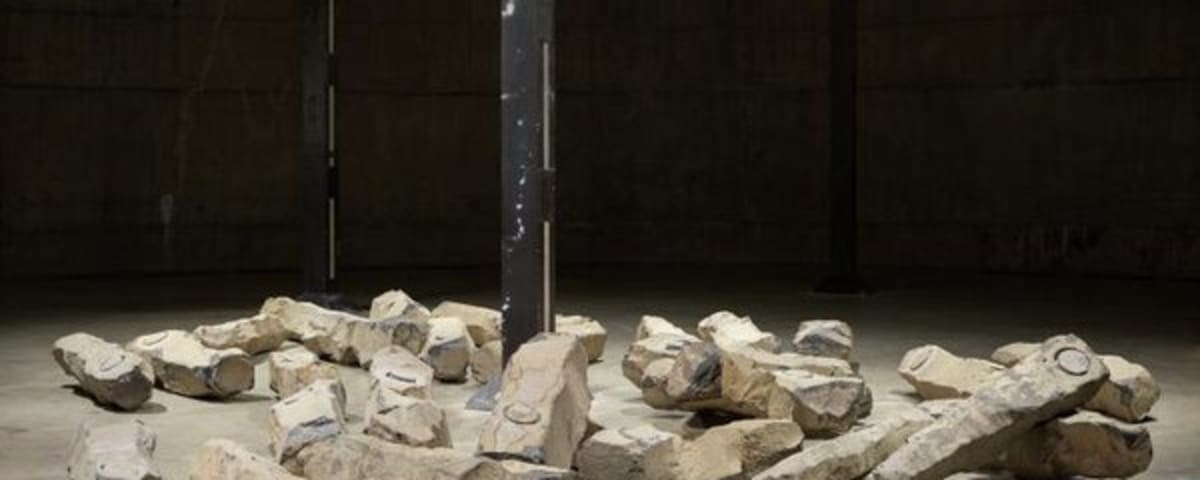
Environmental art is a broad term covering works that address social and political issues relating to the natural and urban environment. The term has two interrelated meanings. First, it describes art that physically engages with the landscape and space, including land art and large-scale interventions in nature. Second, and increasingly, it means ecologically conscious art—work that draws attention to environmental crisis, pollution, climate change, resource depletion and the relationship between humanity and nature. Unlike early land art, which sometimes altered the landscape by industrial means, contemporary environmental art often seeks to heal, to restore ecosystems or to propose sustainable solutions. Notable practitioners include Robert Smithson with his Spiral Jetty, Andy Goldsworthy, who works with fragile natural materials, and Hans Haacke and the Harrisons, whose projects combine art, science and activism. Environmental art reflects the growth of global ecological awareness and expands the understanding of the artist's role as a participant in social and environmental processes.
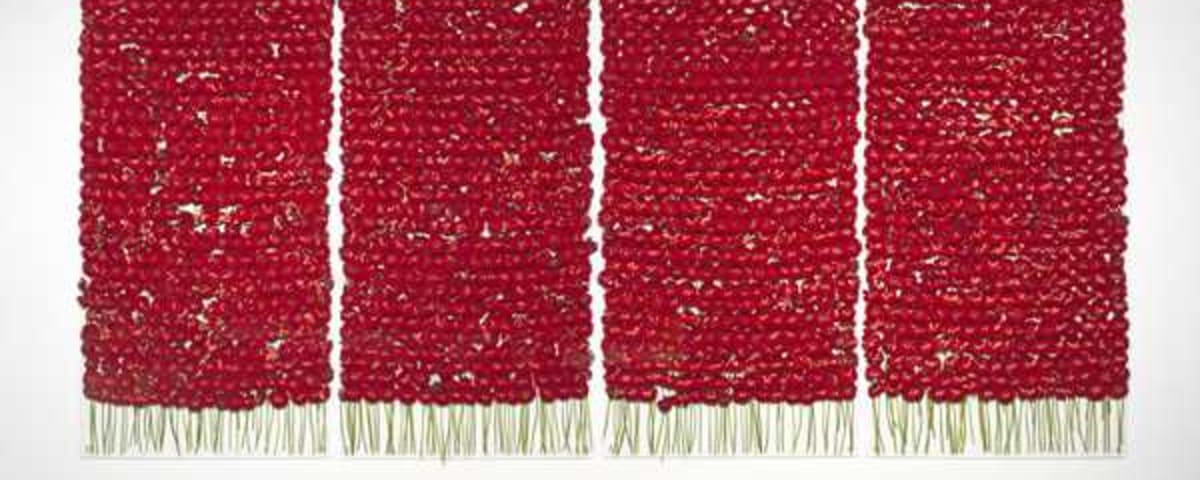
Ephemeral art is a general term for works that exist only for a short period of time and are not intended to be permanently preserved. Their very transience is part of the idea: a work may melt, wilt, crumble, be washed away or consumed, and this fated disappearance becomes a source of its meaning and beauty. Ephemeral art includes performances, happenings, works made from natural or fleeting materials such as ice, sand, flowers, smoke and food, as well as land art gradually undone by nature. Artists turn to ephemerality for many reasons: to resist commercialisation and the reduction of art to a commodity, to emphasise process rather than a finished object, or to reflect on the transience of life and memory. Notable examples include the fragile sculptures of Andy Goldsworthy made from leaves and ice, and the short-lived installations and documented actions of many conceptual artists. Often the only trace left of such a work is a photograph, video or description, which raises questions about the role of documentation in preserving art. Ephemeral art challenges the traditional identification of an artwork's value with its material permanence.
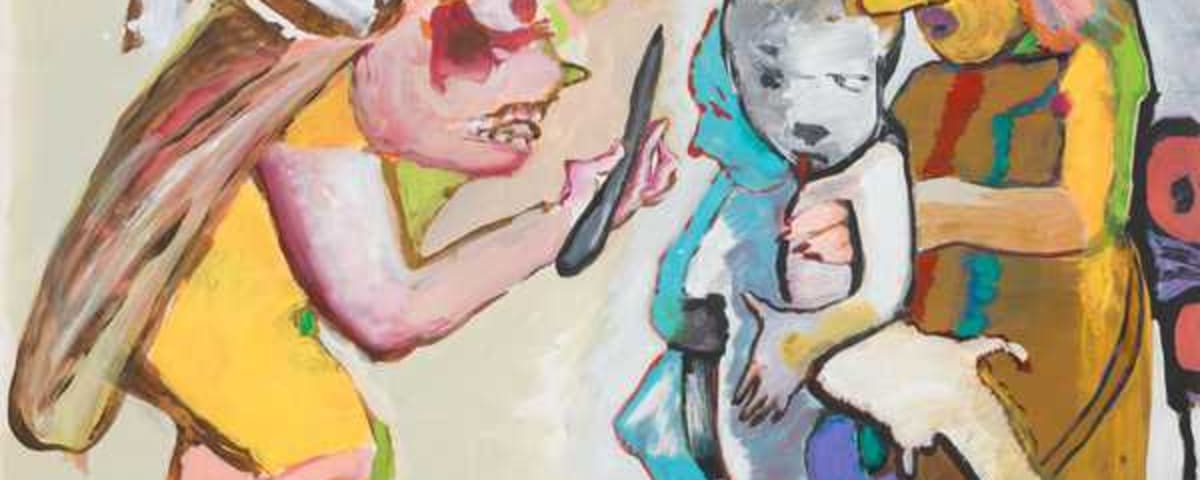
Neo-Expressionism is an international phenomenon of a powerful revival of painting in an expressionist spirit in the 1980s, which arose as a reaction against the dominance of Minimalism and Conceptual art in the preceding decade. Neo-Expressionists returned to the large-format, emotionally charged, figurative canvas with dense texture, energetic and sometimes deliberately crude brushwork, saturated colour and tense, dramatic imagery drawn from history, myth, national trauma and personal experience. The movement unfolded in parallel in several countries. In Germany it was embodied by the so-called 'Neue Wilden', including Georg Baselitz, Anselm Kiefer, who reflected on the burden of national history, and Jörg Immendorff. In Italy the parallel tendency of the Transavanguardia developed with Francesco Clemente and Enzo Cucchi. In the United States Neo-Expressionism includes Jean-Michel Basquiat and Julian Schnabel. The movement restored painting to a central place on the art scene and market, though critics charged it with excessive theatricality and commercialisation. Neo-Expressionism remains an emblematic example of the cyclical return to painting and expressive figuration in the age of late Modernism and early Postmodernism.

Neo-Geo (short for 'Neo-Geometric Conceptualism') is a term that came into use in the early and mid-1980s in the United States, above all in New York, to describe the work of a group of artists whose art critically reflected on the mechanisation, consumerism and total commercialisation of the modern world. Neo-Geo combined a cold, impersonal geometric abstraction with a conceptual and theoretical stance, drawing on postmodern ideas of simulation and the critique of the sign. The artists deliberately borrowed the formal language of early abstract art and Minimalism but stripped it of spiritual or utopian pretensions, turning it into an empty, ironically quoted sign. The leading figures of the movement are considered to be Peter Halley, who painted bright canvases with 'cells' and 'conduits' as metaphors for alienated urban space, as well as Jeff Koons with his glossy objects of mass culture, Haim Steinbach and Ashley Bickerton. Neo-Geo reflected the mood of critical Postmodernism, in which art analyses its own commodity nature and place within the sign systems of late capitalism, and it became a notable phenomenon of the late twentieth-century art market.
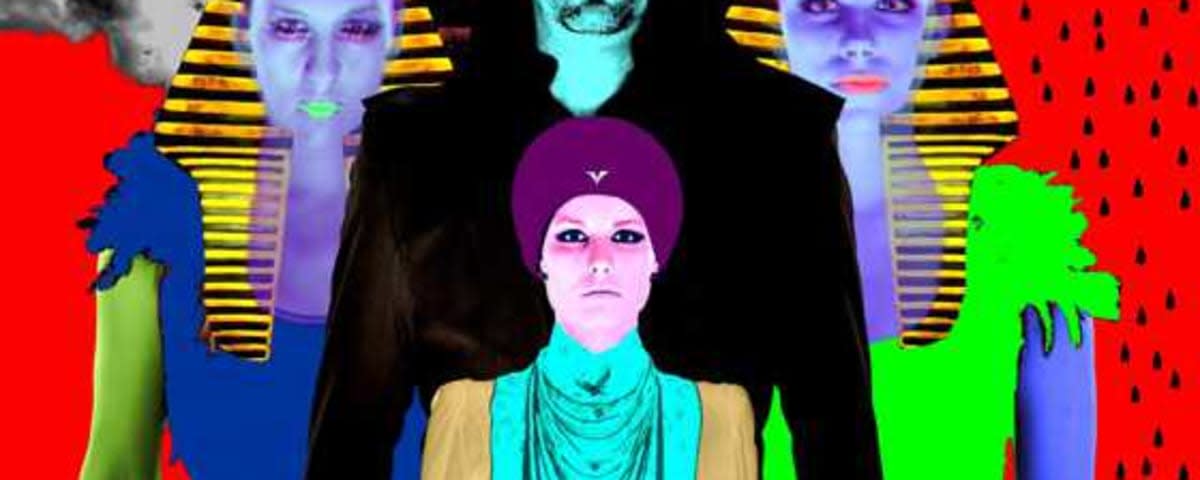
Neue Slowenische Kunst (NSK, "New Slovenian Art") was a pioneering artistic collective founded in 1984 in Slovenia, then part of socialist Yugoslavia. The organization arose at the intersection of several groups: the music band Laibach, the painting collective Irwin, and the Scipion Nasice Sisters Theatre department, later joined by design and philosophy divisions. NSK worked with a provocative "retro-avant-garde" aesthetic, appropriating and reworking totalitarian iconography — the symbolism of the avant-garde, Socialist Realism, and fascism — in order to expose the mechanisms of ideological manipulation. This strategy of "over-identification" triggered sharp public debate. In 1992, following the breakup of Yugoslavia, the collective proclaimed itself a "state in time" — the NSK State, a virtual country without territory that issues its own passports and operates as a conceptual citizenship project. NSK's activity became one of the most influential forms of postmodern political art in Central and Eastern Europe at the end of the twentieth century.
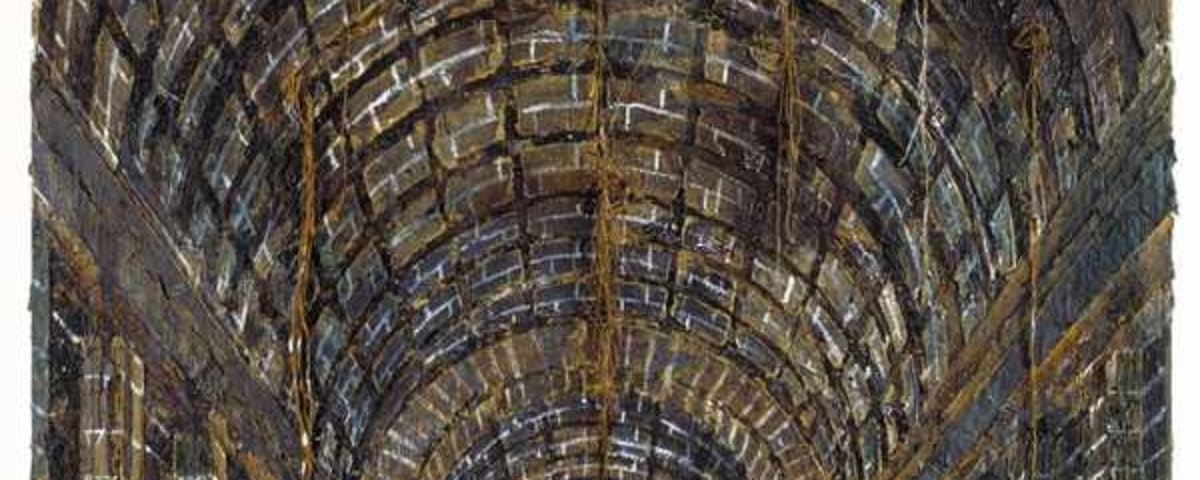
Neue Wilde ("New Wild Ones") is a term used in Germany for Neo-Expressionism, the turbulent revival of expressive painting in the late 1970s and 1980s. The name alludes to the "wild ones" — the Fauves of the early century — and emphasizes the spontaneity, energy, and emotional immediacy of a new generation of artists. After decades dominated by Conceptualism, Minimalism, and abstraction, young painters returned to figuration, vivid color, broad impasto brushwork, and large formats. In Germany the movement had two centers: the Berlin circle with figures such as Rainer Fetting and Helmut Middendorf, and the Cologne scene around Walter Dahn and Hans Peter Adamski. Neue Wilde painting was often autobiographical, urban, nocturnal, and saturated with motifs of subculture and music. The movement paralleled the Italian Transavantgarde and American Neo-Expressionism, becoming part of a wider international return to painting in the 1980s.
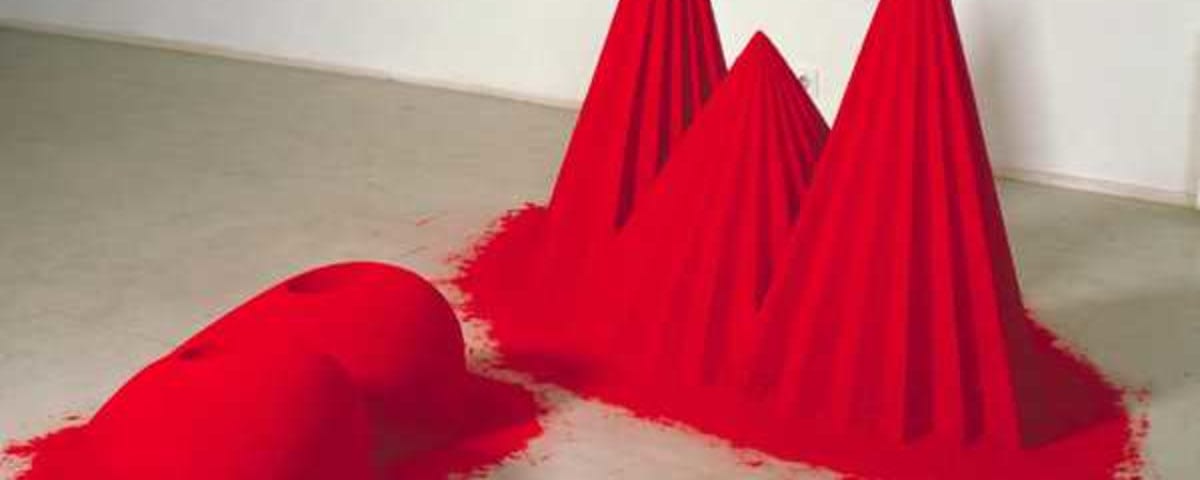
New British Sculpture is a term applied to the work of young British sculptors of the 1980s who, reacting against the austerity of Minimalism and the intellectual asceticism of Conceptual art, chose a freer, more playful and imagistic approach to materials, techniques, and subjects. Instead of industrial impersonality, they turned to found objects, domestic junk, cheap industrial materials, and bright color, transforming everyday things into poetic or ironic objects. Leading figures of the movement include Tony Cragg, Richard Deacon, Bill Woodrow, Anish Kapoor, and Edward Allington. Their works often balanced between abstraction and the suggestion of recognizable forms, raising questions of consumerism, urban life, and humanity's relationship with the material world. Many of these artists gained international recognition through exhibitions at the Lisson Gallery in London. New British Sculpture restored tactility, wit, and metaphor to the language of three-dimensional art and significantly influenced the subsequent generation of British artists.
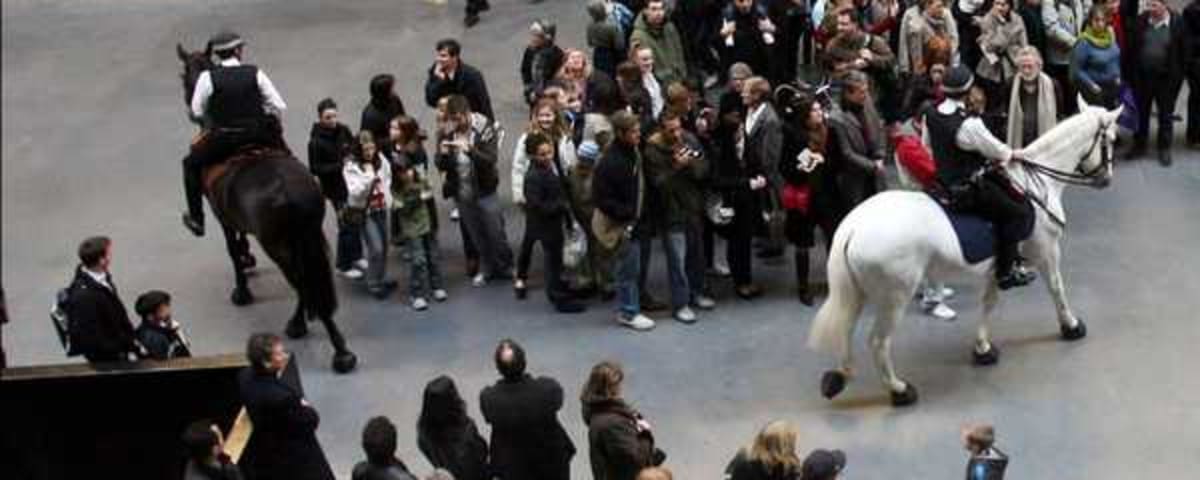
New Genre Public Art is a form of public art that is often activist in character and created outside museum and institutional structures with the aim of directly engaging a particular community in co-creation and dialogue. The term was introduced by American artist Suzanne Lacy in the late 1980s and early 1990s, generalizing practices in which content, rather than form, defines the work. Unlike traditional monuments or plaza sculptures, New Genre Public Art focuses on social issues — gender inequality, racism, poverty, ecology, and the rights of marginalized groups. The artist acts more as an organizer of a process than as the author of a finished object, and the community itself becomes a co-author. Projects may last months or years and take the form of performances, meetings, actions, and educational initiatives. This tendency is closely linked to participatory and socially engaged art and expanded the understanding of where and for whom art exists in public space.
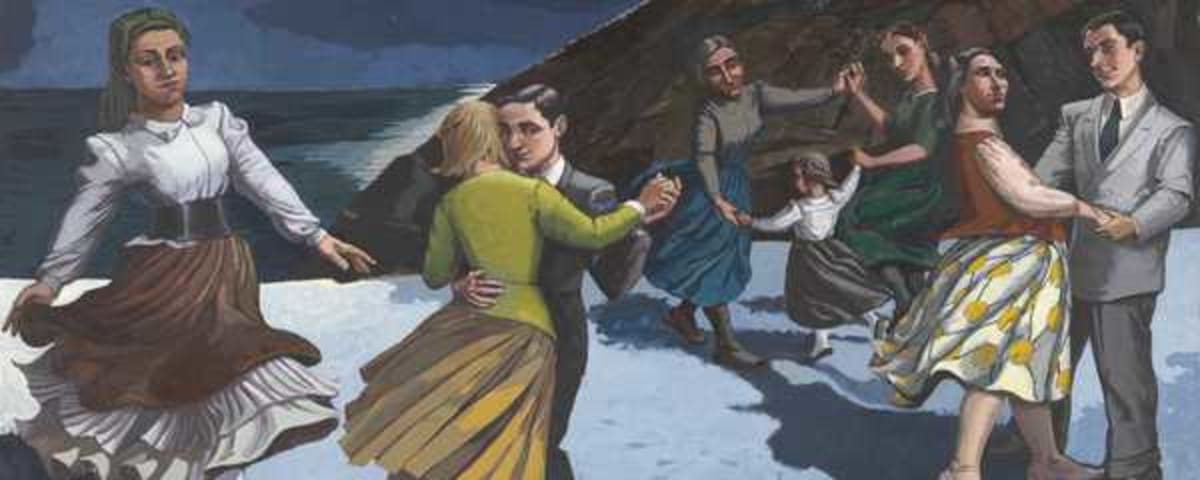
New Spirit Painting is a term associated with the revival of expressionist, figurative painting around the turn of the 1970s and 1980s. The name derives from the influential exhibition "A New Spirit in Painting," held in 1981 at the Royal Academy of Arts in London under the curatorship of Christos Joachimides, Nicholas Serota, and Norman Rosenthal. This show proclaimed the return of painting as a leading art form after a decade dominated by Conceptual, Minimalist, and performance art that had questioned the very relevance of painting. The exhibition combined established masters — Picasso, Matisse, Bacon — with a younger generation of expressive artists, including Georg Baselitz, Anselm Kiefer, Julian Schnabel, and Francesco Clemente. New Spirit Painting affirmed emotionality, subjectivity, large scale, saturated color, and a return to historical, mythological, and personal subjects. The exhibition became one of the manifestos of international Neo-Expressionism and testified to the restored status of traditional painting in the art of the 1980s.

The New Wave (the Ukrainian Transavant-garde) was an explosion of young nonconformist art in Ukraine of roughly 1987 to 1999, coinciding with the era of Perestroika, the collapse of the USSR and the achievement of independence. The term "Transavant-garde" derives from the concept of the Italian critic Achille Bonito Oliva, who used it to name a return to grand, emotional, figurative painting after Conceptualism; on Ukrainian soil it acquired its own rebellious ring. The key idea of the era was a radical liberation from ideological and aesthetic prohibitions, an ironic reworking of the Soviet and classical heritage, corporeality, myth-making and a monumental, often expressive large-format painting. The hearth of the movement was the Kyiv squat on Paris Commune Street, where young artists lived and worked. Its signature figures were Arsen Savadov and Heorhiy Senchenko, whose canvas "The Sorrow of Cleopatra" (1987) became the manifesto of a generation, together with Oleg Golosiy, Oleksandr Hnylytsky, Vasyl Tsagolov, Dmytro Kavsan and Yuriy Solomko. Their art fused pathos with play, post-totalitarian freedom with postmodern quotation, restoring scale and sensuality to painting. In the late 1980s the first independent centres also emerged in Kyiv, such as the Soviart gallery (1987), which brought the nonconformists before the public. By the end of the 1990s the turbulent neo-expression of the New Wave was gradually supplanted by conceptual, photographic and video practices, which prepared the language of mature contemporary art. The New Wave brought Ukrainian art out of the underground into the public and international arena, forming the first generation of free artists of an independent state. This turbulent, brief era closed the Soviet age and directly prepared the institutional coming-of-age of contemporary Ukrainian art in the decades that followed.
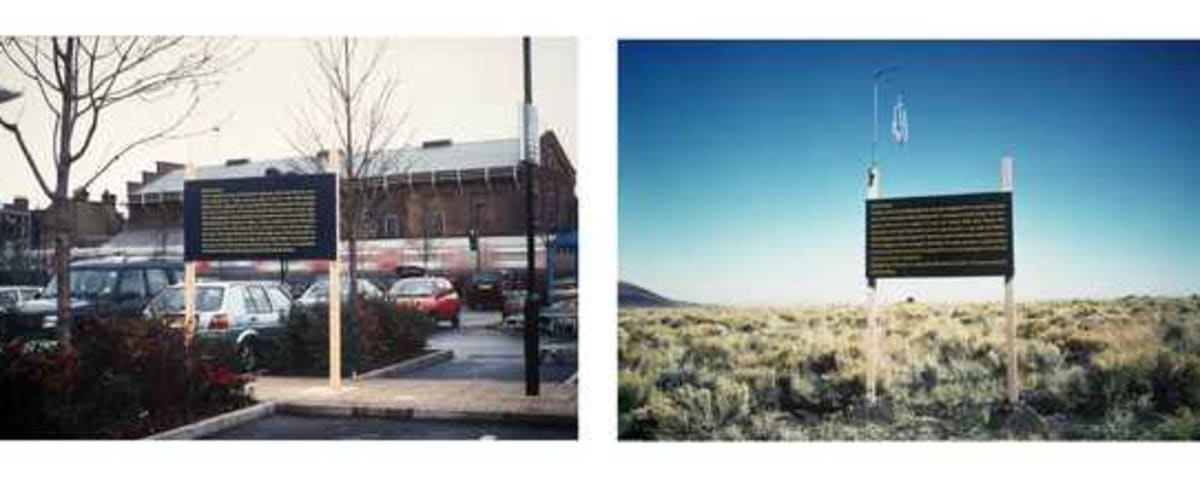
Site-specific describes an artwork conceived and made for one particular location, existing in an inseparable dialogue with that space and losing much of its meaning if removed. Unlike a portable painting or a freestanding sculpture, such a work responds to the architecture, history, landscape, light and social context of its chosen setting. The approach flourished from the 1960s within minimalism, land art and installation practice: Richard Serra, Robert Smithson and Daniel Buren insisted that relocating a work destroys it, most famously in the controversy over Serra's Tilted Arc. The concept extends to public art and museum interventions that reframe an existing environment. In Ukraine the site-specific logic resonates with contemporary artists who work inside abandoned industrial halls, ruined buildings and urban spaces, turning the place itself into material and a vehicle for statements about memory, history and identity.

Socially engaged practice is a strand of contemporary art in which the work is collaborative, often participatory, and people together with their relationships become both the medium and the material. Instead of producing a finished object, the artist initiates processes, encounters and actions that unfold within real communities beyond the gallery walls. Its roots lie in the performance, conceptualism and institutional critique of the 1960s and 1970s, while theoretical framing came from Nicolas Bourriaud's notion of relational aesthetics and from dialogical art. Artists such as Tania Bruguera and Thomas Hirschhorn address migration, labour, education and political participation. In Ukraine this approach became especially vivid after the Revolution of Dignity and during the war, with art projects working alongside displaced people, veterans and urban communities, turning art into a tool of solidarity, healing and collective action.

Street art is a visual language of public space that carries creativity into the street, turning façades, walls and urban surfaces into a canvas accessible to everyone. Its core idea is a direct, often extra-institutional address to the viewer, a dialogue with the urban environment and its social context. It grew out of the graffiti culture of the 1970s, when tags and aerosol "writing" flooded the New York subway. Formally, street art is extraordinarily diverse: from calligraphic tags and graffiti "wild styles" to large realistic murals, stencils, stickers, mosaics and paste-ups. Its palette may be bright and punchy or monochrome and graphic, depending on the concept and technique. Technically, its artists use aerosol, stencil and roller, while large murals require projection and lifts. Composition takes account of the supporting architecture, fitting the image into the rhythm of the city. Its motifs embrace social critique, political statement, poetic metaphor and playful provocation. Its global icons are the Briton Banksy, with his sharp stencils, and the American Keith Haring. In Ukraine, street art has undergone a powerful flowering: the monumental murals of Volodymyr Manzhos and Oleksii Bordusov (the Interesni Kazki duo), as well as numerous patriotic and memorial paintings across cities after 2014 and 2022. Today the movement is valued for its democratic spirit, the sharpness of its statement and its capacity to humanise urban space.