Ukrainian art & cultureOnline


Other dimensions of culture
Other dimensions of culture





Test mode: all content on this site is for testing and will be removed at launch.
Art Glossary
Ukrainian Art&Culture online glossary of art terms covers movements, styles and techniques such as Impressionism, Printmaking, Video art and more.

from Realismto Cyberpunk
34from Oilto 3D Modeling
8from Paintingto Design
7from Trypilliato Contemporary
2330 terms
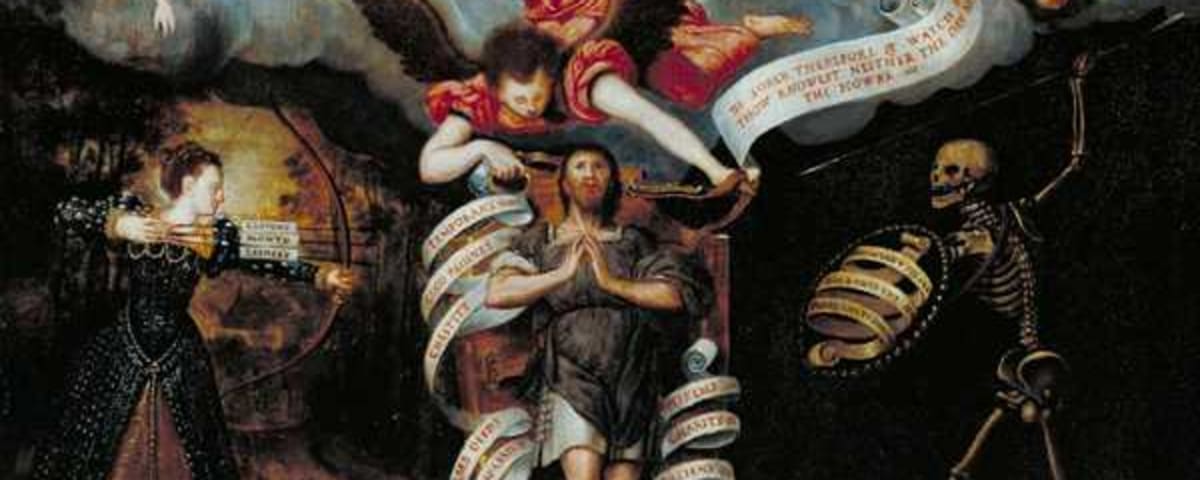
Allegory in art is a device by which depicted objects, figures or whole scenes symbolize a deeper meaning — usually moral, religious or philosophical — that goes beyond the literal subject. Abstract concepts such as Justice, Love, Death, Peace, Time, virtues and vices are embodied in recognizable personified figures, often equipped with characteristic attributes: scales and a blindfold for Justice, a scythe and hourglass for Time or Death. Reading such images requires knowledge of iconographic codes that developed over centuries. Allegory has ancient roots in antiquity and flourished in the art of the Middle Ages, the Renaissance and the Baroque, when painters such as Sandro Botticelli, Titian, Peter Paul Rubens and Nicolas Poussin created complex allegorical compositions for princely, ecclesiastical and state patrons. Reference works such as Cesare Ripa's Iconologia (1593) codified the standard ways of depicting abstract concepts. Allegory remained a powerful means of political and moral rhetoric for centuries and retains its relevance in contemporary art, where artists often turn to symbolic language to comment on social, ecological and ideological questions.
A genre of art whose principal subject is the animal; more broadly, animalistics is any depiction of animals in art.
A genre of art devoted to war and military life: battles, campaigns and the everyday life of an army.
An accurate depiction of a plant and its parts made for a scientific purpose; a kind of illustration defined by its subject rather than a genre in the classical sense.

Caricature is a depiction of a person, object or situation in which characteristic features are deliberately distorted and exaggerated for comic, satirical or exposing effect. Most often it is a portrait in which the artist sharpens the recognizable peculiarities of the sitter's face and figure in order to ridicule them or to capture the very essence of their character. The word derives from the Italian caricare, 'to load' or 'to exaggerate'. Caricature balances between good-natured humour and a sharp political weapon. As a conscious genre, caricature took shape in Italy in the late sixteenth and seventeenth centuries, notably in the work of the Carracci brothers and Gian Lorenzo Bernini. In the eighteenth and nineteenth centuries it flourished through printmaking: the Englishmen William Hogarth, James Gillray and Thomas Rowlandson, and later the Frenchman Honore Daumier, turned caricature into an influential means of social and political criticism, mercilessly mocking authority, hypocrisy and the vices of the age. In the twentieth and twenty-first centuries caricature became firmly rooted in newspapers, magazines and digital media as political cartooning, remaining a powerful and sometimes dangerous instrument of free speech.
A branch of landscape whose principal subject is the city: its streets, squares, buildings and general views.
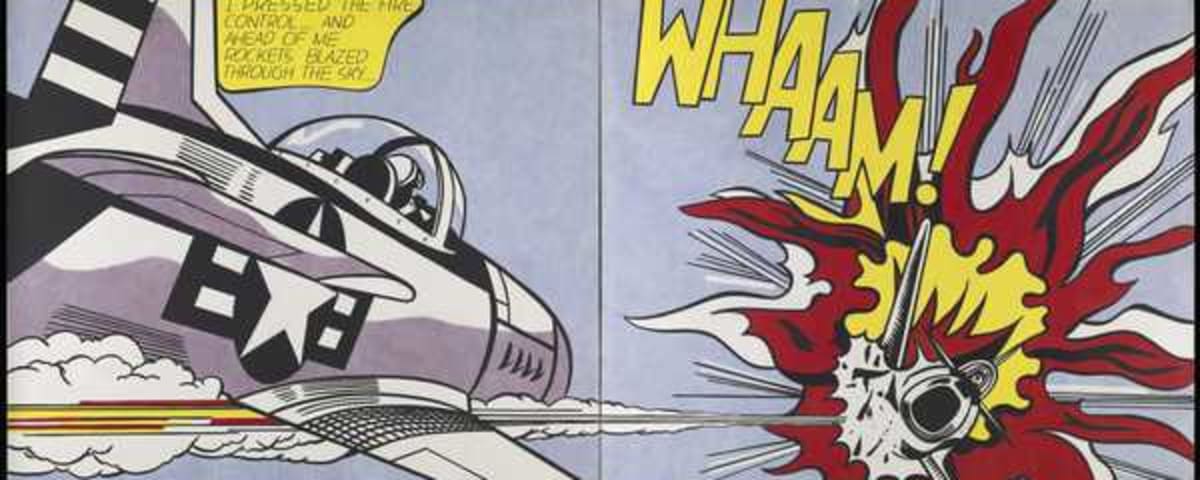
Comic strip art is an artistic practice grounded in the language of comics: a sequence of panels, the combination of image and text (speech bubbles, onomatopoeia) and the characteristic commercial printing techniques. In a broader sense the term also covers fine-art works that borrow the style, themes and visual devices of comics and transpose them into a gallery context. The comic as an independent form combines features of literature and visual art, building narrative through the montage of separate panels. The most striking convergence of 'high' art with the comic occurred in the Pop art of the 1960s. The American artist Roy Lichtenstein appropriated frames from mass-market comics, enlarged them and reproduced the characteristic Ben-Day dots, transforming banal images into monumental canvases while ironically reflecting on the mechanisms of mass culture. Later the graphic novels of Art Spiegelman and other authors gained recognition as a serious artistic and literary form. Today the language of the comic is actively used in contemporary art, illustration and street art, and the boundary between the 'low' genre and museum art is increasingly blurred.
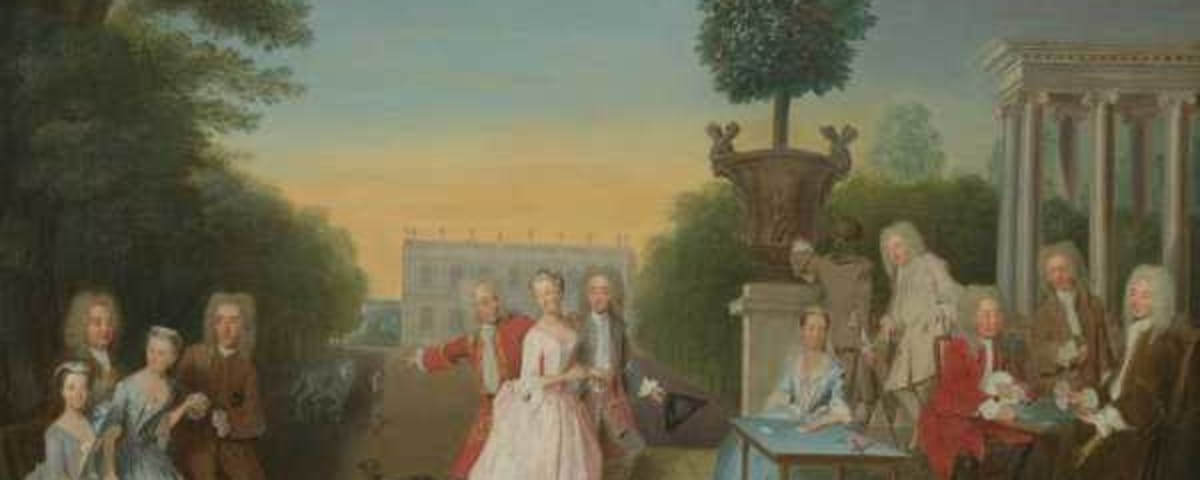
The conversation piece is a type of informal, small-scale group portrait depicting several people — most often members of a single family, sometimes friends or acquaintances — in a domestic interior, drawing room or garden. The figures are usually absorbed in some relaxed activity: conversation, taking tea, making music, playing a game or strolling, which gave the genre its name. Unlike the formal state portrait, the conversation piece seeks to convey natural behaviour, the privacy of domestic life and the social bonds between the sitters. The genre flourished especially in England in the eighteenth century, when the prosperous gentry and bourgeoisie wished to commemorate their status, possessions and family ties in an intimate rather than pompous form. Leading masters of the conversation piece were William Hogarth, as well as Arthur Devis, Johann Zoffany and the young Thomas Gainsborough. Such paintings are a valuable source for historians, since they record in detail the interiors, costumes, furniture, manners and pastimes of the age. The conversation piece reflected a new bourgeois culture of privacy and family values, becoming a characteristic phenomenon of English art in the Age of Enlightenment.
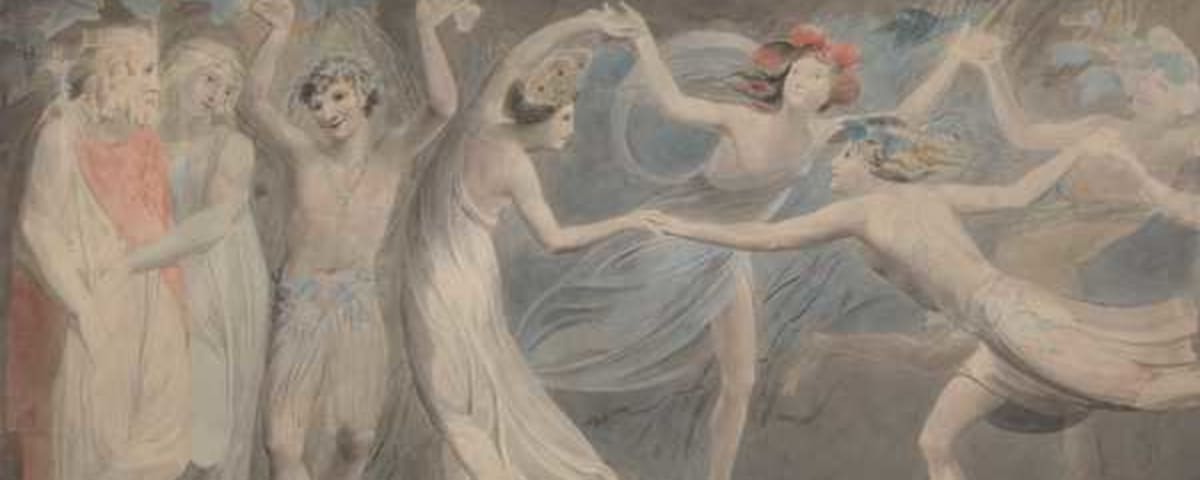
Fairy painting is a genre depicting fairies, elves, gnomes and other creatures from folklore, mythology and the supernatural world. It is especially closely associated with Victorian Britain of the mid and later nineteenth century, when a fascination with fairy tales, legends and the otherworldly combined with an interest in literature — above all in Shakespeare's plays A Midsummer Night's Dream and The Tempest, which became favourite sources of subject matter. Such paintings are distinguished by extraordinary detail, the small scale of the figures and a fantastical, sometimes unsettling atmosphere. Among the best-known masters of the genre is Richard Dadd, whose meticulously obsessive The Fairy Feller's Master-Stroke (1855-1864) was created during the artist's confinement in a psychiatric hospital, as well as Joseph Noel Paton and John Anster Fitzgerald. Fairy painting reflected complex currents of Victorian culture: an escape from industrial reality into the world of imagination, an interest in childhood, the afterlife and the unconscious, and sometimes hidden erotic or anxious undertones. Today these works are valued for their technical mastery, rich fantasy and their peculiar window onto the psychology of the age.

The 'fancy picture' is a term that arose in eighteenth-century Britain to denote painting that combines scenes of everyday life with elements of imagination, invention, sentiment or implied narrative. Unlike the purely genre picture, which simply records a domestic scene, the fancy picture has no specific literary or historical source but instead creates a touching, idealized or poetic mood — often depicting children, peasants, beggars or shepherds in a sensuous, affecting manner. The word 'fancy' here means 'imagination' or 'fantasy'. The genre is most closely associated with the work of Thomas Gainsborough, who in his late period created moving images of rural children and the poor, as well as with Joshua Reynolds and William Hogarth. Such paintings were extremely popular on the art market and in engraved reproductions, answering the age's taste for sentimentality and moral instruction. The fancy picture reflected the aesthetic preferences of the Enlightenment, particularly the cult of sensibility, and occupied an intermediate place between portraiture, genre painting and the idealized poetic scene.

Genre painting is the depiction of scenes from the everyday life of ordinary people: domestic occupations, household chores, festivities, markets, taverns, games, work and leisure. Such works are mostly small in scale and lack heroic, religious or historical elevation; their subjects are usually anonymous members of various social classes. In the traditional hierarchy of genres codified by the academies of the seventeenth century, genre painting occupied a modest place — above still life and landscape but below portraiture and history painting. The flowering of genre painting is associated above all with the golden age of seventeenth-century Dutch art, when a Protestant, mercantile republic with its prosperous burghers created great demand for small pictures for private homes. Johannes Vermeer, Jan Steen, Pieter de Hooch and Gerard ter Borch masterfully rendered interiors, light and the subtle psychology of everyday scenes. An earlier strong tradition had been established by the Fleming Pieter Bruegel the Elder with his peasant subjects. Later genre painting was developed by Jean-Baptiste Chardin in France and by the nineteenth-century Realists; it remains an important means of artistically reflecting on social life and human dignity in the everyday.
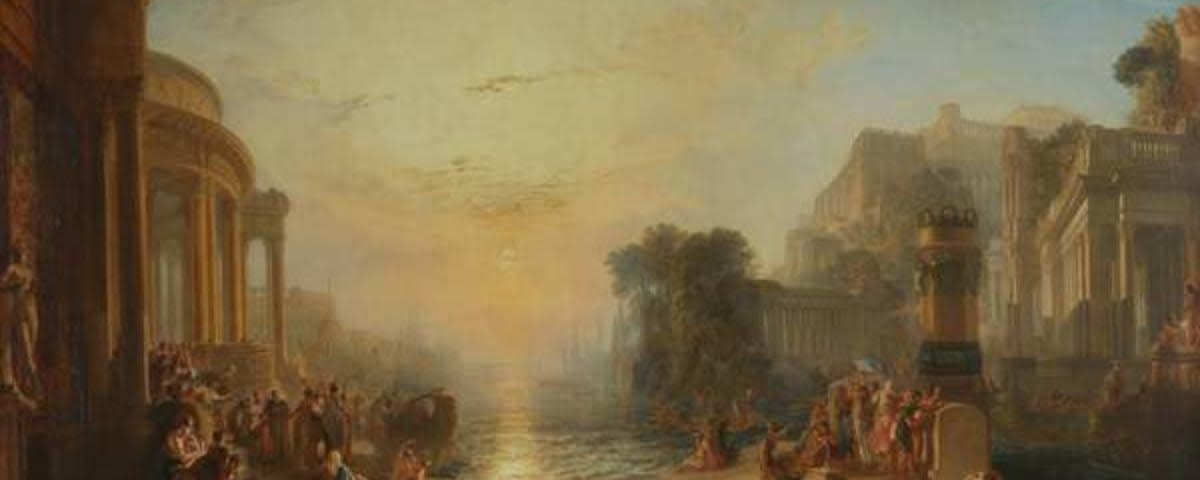
Genres in painting are established types or categories of work distinguished by the nature of the subject depicted. The classical system of genres was formally codified in the seventeenth century, notably by the French Royal Academy of Painting and Sculpture, as a strict hierarchy. In descending order of importance it comprised: history painting (subjects from history, mythology, religion and literature), portraiture, genre painting (scenes of everyday life), landscape and, lowest of all, still life. This ranking rested on the conviction that the worthiest painting depicts human actions and elevated ideas. The hierarchy of genres governed academic training, the system of commissions, prestige and the market value of works for several centuries. Most highly prized was an artist's capacity for complex multi-figure composition on an elevated theme, whereas still life or landscape were regarded as mere exercises in the skill of copying the visible. Yet as early as the nineteenth century this system began to be undermined: the Impressionists elevated landscape and scenes of modern life, and the Realists dismantled the hierarchy of subjects. In the twentieth century, with the arrival of abstraction and new media, the traditional division into genres largely lost its normative force, though it still remains a convenient tool of art-historical analysis.

Iconography is, firstly, the totality of images, symbols and motifs present in a work of art and, secondly, the branch of art history that studies their origin, meaning and evolution. Iconographic analysis asks not 'how is it depicted?' but 'what is depicted and what does it mean?': it identifies figures, subjects and their attributes, decodes symbolism and traces the established ways of representing particular themes throughout history. For example, keys point to Saint Peter, and a lily to the Annunciation and purity. As a scholarly discipline iconography took shape in the nineteenth and early twentieth centuries, and its most influential theoretical model was proposed by the German and American scholar Erwin Panofsky. He distinguished three levels of analysis: pre-iconographic description (recognizing forms and objects), iconographic analysis proper (identifying subjects and symbols) and iconological interpretation (revealing the deeper cultural, philosophical and worldview meaning of an age). Iconography is especially important for understanding religious, mythological and allegorical art, as well as the Eastern Christian icon, where the canonical images of Christ, the Mother of God and the saints follow strict traditional schemes charged with deep theological meaning.
An image that accompanies, explains and supplements a text; a kind of graphic art defined by its purpose rather than a genre in the classical sense.
A branch of the landscape genre devoted to the sea — sea views, ships and harbours; also an individual work of this kind.
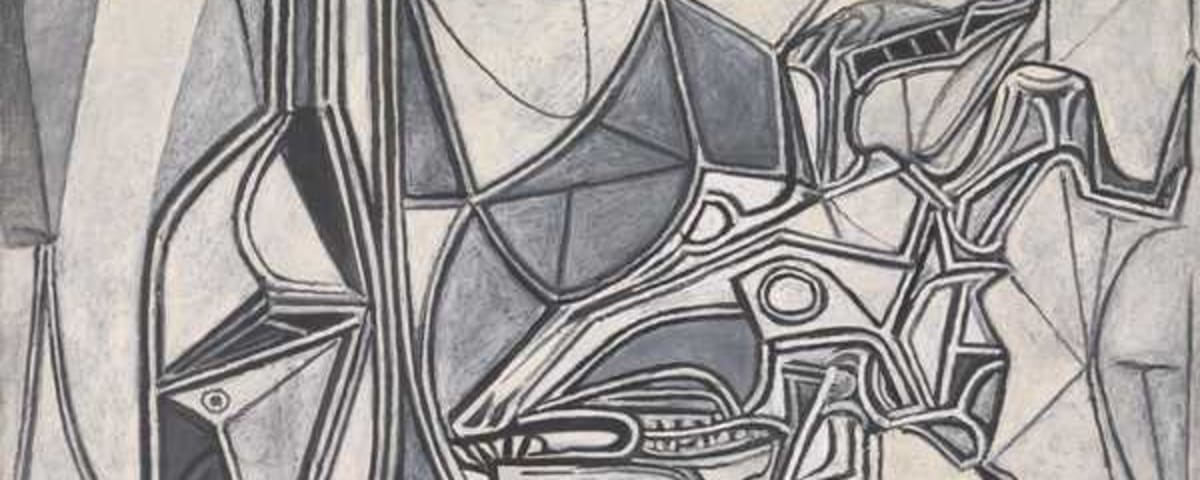
Memento mori (Latin for 'remember that you must die') is a work of art or motif created to remind the viewer of the inevitability of death, the transience of earthly life and the vanity of worldly goods. It is at once a philosophical and a moral admonition, rooted in the classical and Christian traditions: awareness of one's mortality was meant to encourage a person to live honestly, care for the soul and not become attached to the fleeting. In art the idea is embodied through a set of recognizable symbols. The most characteristic symbol of memento mori is the human skull, along with extinguished candles, hourglasses and clocks (the passage of time), wilted flowers, rotting fruit, soap bubbles and bones. These images flourished in European Baroque art, especially in the vanitas still lifes of the seventeenth century, as well as in funerary sculpture, portraits and the religious painting of the Middle Ages and the Renaissance. The motif was often combined with motto inscriptions. Memento mori reflected a deep religiosity and an acute sense of the fragility of life, intensified by plague epidemics and wars. The idea and symbolism of mortality continue to inspire artists in contemporary art, from Damien Hirst to conceptual installations.
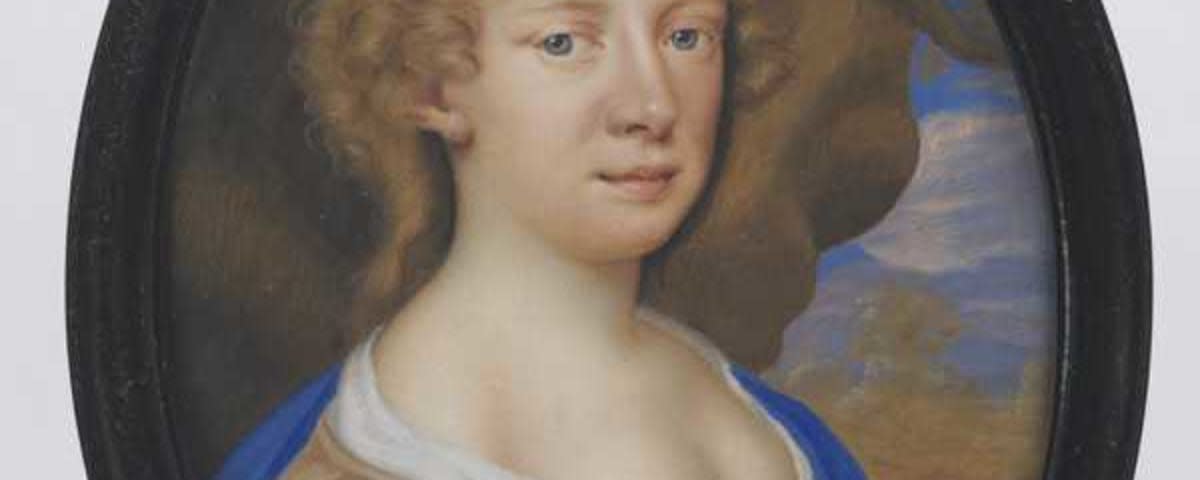
A miniature is a small-scale work of painting, most often a portrait, executed with extraordinary delicacy and care. The term has two main senses. Firstly, it is a picture or illustration in a manuscript book — the so-called illuminated miniature that adorned medieval manuscripts; the word derives not from 'small' but from the Latin minium, the red pigment used to mark important passages of text. Secondly, and most commonly, it is the portrait miniature: a tiny, intimate portrait that can be held in the hand, worn as a locket or kept as a personal keepsake. The portrait miniature flourished in Europe from the sixteenth to the nineteenth century. It was executed in watercolour or gouache on vellum, and later in enamel on metal or on thin plates of ivory, which lent the images a luminous quality. Outstanding masters included the Englishman Nicholas Hilliard at the court of Elizabeth I, as well as numerous artists of the Enlightenment and Romantic eras. The miniature served as a vehicle of intimate memory: it was given to loved ones, carried on journeys and used to preserve the likeness of the deceased. With the invention of photography in the mid-nineteenth century the portrait miniature gradually declined, leaving behind an exquisite legacy of intimate art.
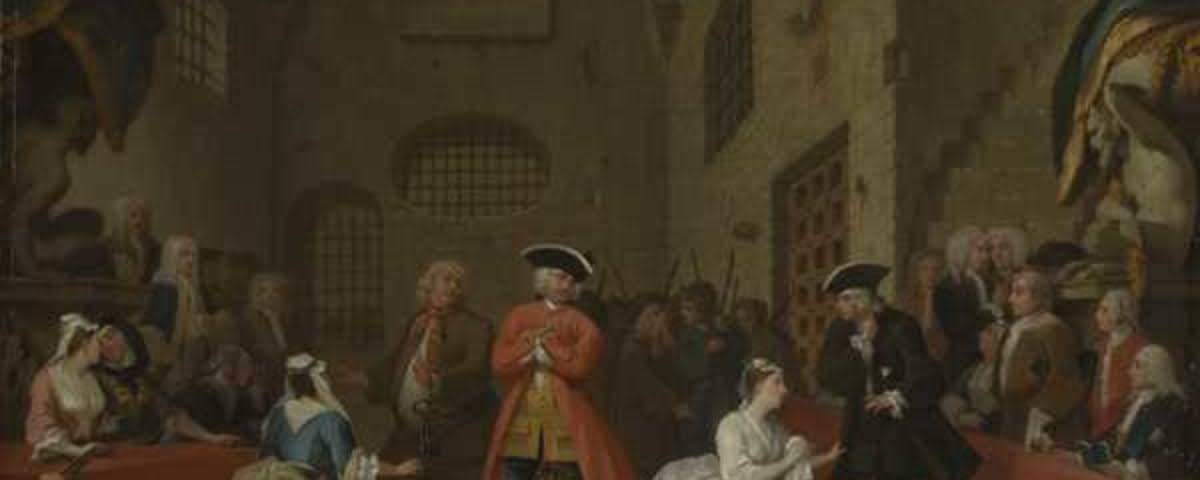
The 'modern moral subject' is a type of painting invented by the English artist William Hogarth (1697-1764), which satirically depicted the manners and morals of the society of his day. Hogarth deliberately created a new genre, combining the sharpness of political caricature with the narrative quality of history painting, but directing them toward a critique of the vices of everyday life in his age — debauchery, vanity, greed, drunkenness and hypocrisy. He himself compared his role to that of a playwright and his pictures to theatrical performances about life. Hogarth created his most famous modern moral subjects in the form of series of several pictures, which he then disseminated as affordable engravings for a wide public. Among them are A Harlot's Progress (1731), A Rake's Progress (1732-1735) and Marriage A-la-Mode (1743-1745), in which an instructive story of moral decline and inevitable retribution unfolds step by step. Every detail in these compositions carries a symbolic charge and requires attentive 'reading'. Hogarth founded the tradition of English satirical printmaking and socially critical art, influencing the subsequent development of caricature, illustration and the realist depiction of social vices.
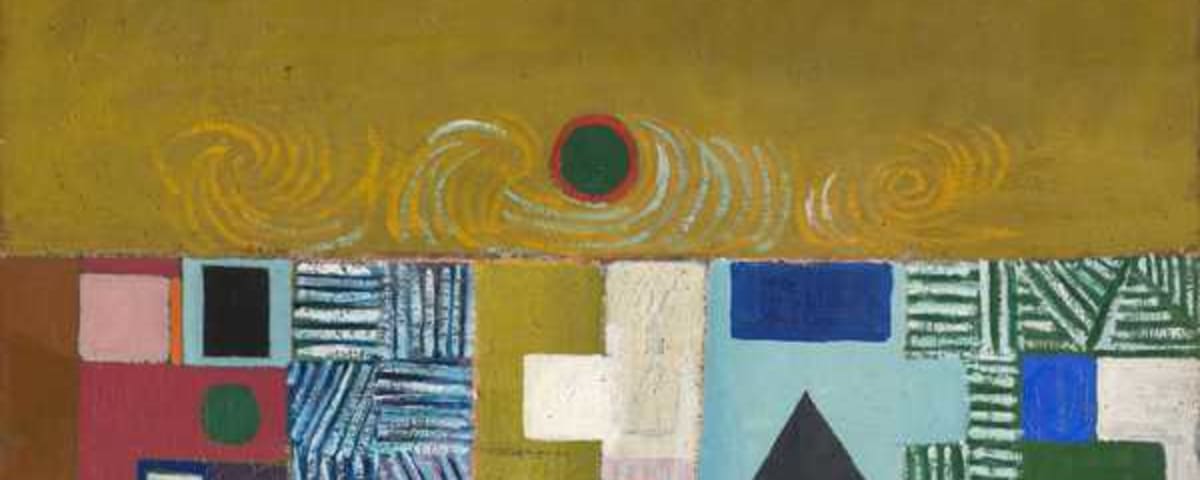
A motif in art is a recurring element, image, theme or pattern that appears in a work and plays a structural or semantic role in its construction. A motif may be a specific object (a skull, a flower, a window), a formal device (a particular line, shape or patch of colour), or a recurring subject or theme to which an artist returns again and again throughout their oeuvre. The repetition of a motif creates rhythm, unity and internal connections, enriching perception and lending the work additional layers of meaning. The concept of the motif is especially important for the analysis of decorative art and ornament, where the repetition and variation of a given element is the basis of composition. At the same time, in a broader sense the motif denotes the particular fragment of the visible world that an artist chooses as the subject of depiction: thus the Impressionists spoke of the 'motif' in nature, and Paul Cezanne repeatedly returned to one favourite motif — Mont Sainte-Victoire — studying it in different light and seasons. In a wider cultural context, recurring motifs — the tree of life, the labyrinth, the mirror — travel across epochs and styles, binding works of art into a single tradition of images and symbols.
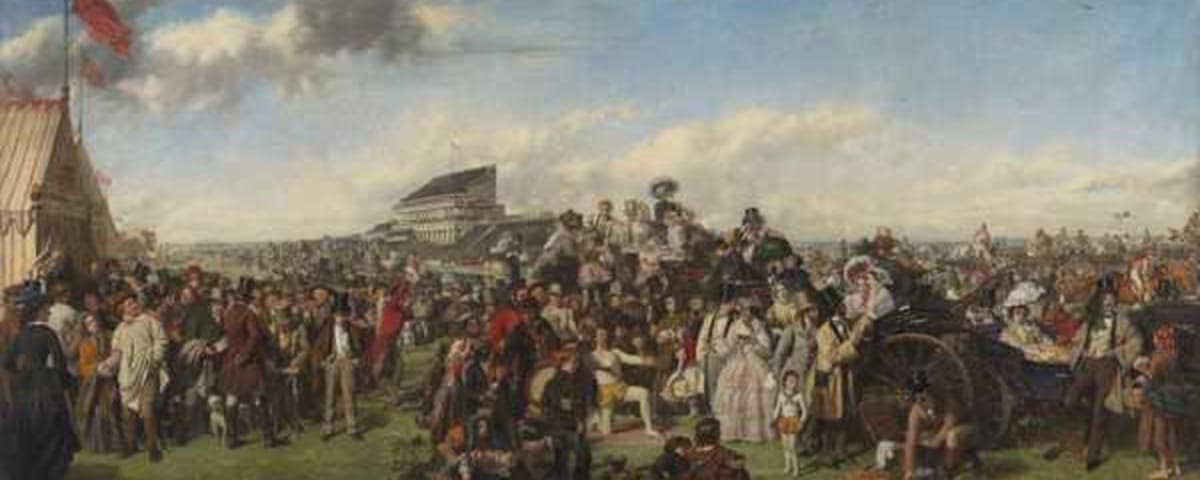
Narrative art is art that tells a story, that is, conveys a sequence of events, actions or states unfolding in time. Unlike a purely decorative or non-objective work, a narrative image prompts the viewer to 'read' what is depicted as an episode of a story — with characters, conflict and development. A story can be told within a single picture, seizing the decisive moment, or through a series of images or a sequence of scenes that unfold gradually. Sources of subject matter have traditionally been mythology, religion, history and literature. Narrative is one of the oldest functions of visual art: from the reliefs of ancient civilizations and Trajan's Column to medieval stained glass and frescoes that conveyed biblical stories to an illiterate congregation. In Renaissance and Baroque painting artists reached heights in rendering the dramatic climax of events. A special variety is narrative in series — such as the 'modern moral subjects' of William Hogarth. In the twentieth century the narrative impulse was transformed into the comic, the photo-series, video and performance art. The capacity to tell stories remains a powerful means for art to address memory, history and human experience.
A genre of the visual arts whose subject is the unclothed human body; Ukrainian art history also uses the synonym akt.

A portrait of the artist made by the artist; a variety of the portrait genre.

Still life is one of the principal genres of Western art, its subject being motionless, inanimate objects: flowers, fruit and vegetables, tableware, books, musical instruments, game from the hunt, skulls and other things arranged into a composition. The very name (French 'nature morte', 'dead nature'; English 'still life') accurately conveys the essence of the genre. In the traditional hierarchy still life held the lowest place, since it was thought to require only skill in copying the visible rather than imagination or elevated ideas. Despite its low official status, still life flourished in Dutch and Flemish art of the seventeenth century, becoming a field for virtuoso mastery in rendering texture, light, colour and the illusion of materiality. Many still lifes carried hidden symbolic meaning — above all the vanitas, which reminded viewers of the transience of life. Later Jean-Baptiste Chardin gave the genre a noble simplicity, and at the turn of the twentieth century still life became a true laboratory of modernism: Paul Cezanne explored form and space through apples and jugs, while the Cubists Pablo Picasso and Georges Braque broke objects down into facets and planes. Thus the 'humblest' genre became the arena of the boldest artistic revolutions.