Ukrainian art & cultureOnline


Other dimensions of culture
Other dimensions of culture





Test mode: all content on this site is for testing and will be removed at launch.
Art Glossary
Ukrainian Art&Culture online glossary of art terms covers movements, styles and techniques such as Impressionism, Printmaking, Video art and more.
from Realismto Cyberpunk
34from Oilto 3D Modeling
8from Paintingto Design
7from Trypilliato Contemporary
2337 terms
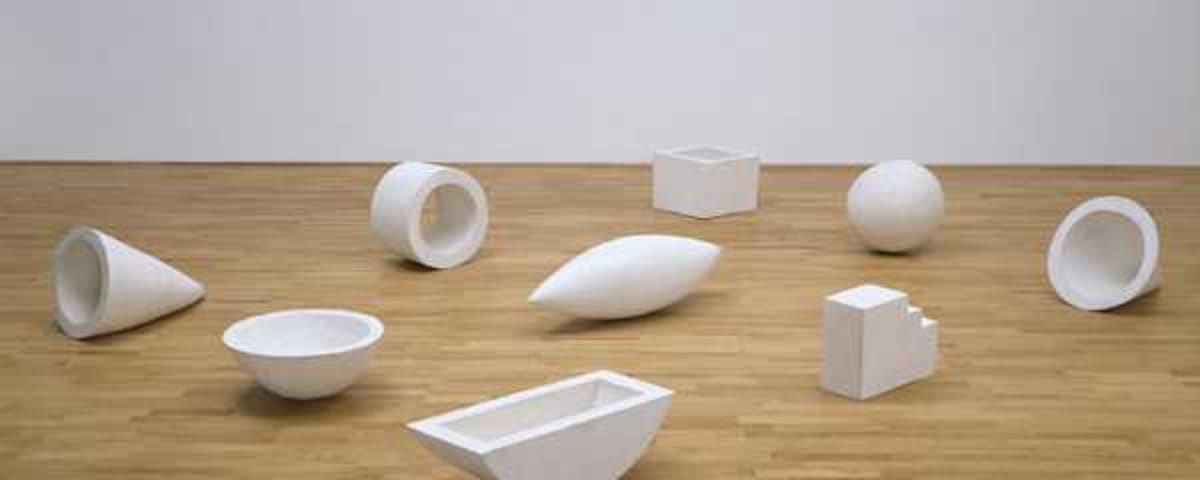
Aesthetics is the branch of philosophy concerned with the nature of beauty, taste, art, and sensory perception. The term derives from the Greek word aisthesis, meaning sense perception, and was introduced into philosophical discourse by the German thinker Alexander Gottlieb Baumgarten in 1735 (in his thesis Meditationes philosophicae de nonnullis ad poema pertinentibus) and developed in his Aesthetica (1750); Baumgarten defined aesthetics as the science of sensory knowledge. Aesthetics poses fundamental questions: what makes an object beautiful, whether beauty is an objective property of things or resides only in the eye of the beholder, and what criteria distinguish art from other forms of human activity. Major contributions to aesthetics came from Immanuel Kant, whose Critique of Judgment distinguished between the beautiful and the sublime, and from Georg Hegel with his philosophy of art. In the twentieth century, aesthetics expanded to address the status of the avant-garde, mass culture, and conceptual art, questioning whether beauty remains a necessary condition of art at all. For art history and criticism, aesthetics remains a foundational discipline, shaping the criteria by which works are evaluated, analysed, and interpreted, and framing how societies understand taste and artistic value.

The avant-garde is not a single style but a broad movement of radical artistic renewal in the first third of the twentieth century that broke with academic tradition and proclaimed the artist's right to complete freedom of form and experiment. The term itself, borrowed from military vocabulary, means "advance guard": the avant-gardists saw themselves as heralds of a new vision, called to demolish habitual visual norms. The shared features of the avant-garde currents — Futurism, Cubo-Futurism, Suprematism, Constructivism, Dadaism — are the deformation or complete rejection of objecthood, the analysis of form, the cult of dynamism, the machine and the city, and a programmatic, manifesto-driven character. Artists actively introduced collage, montage, non-objective composition, sharp color contrasts and new materials. The Ukrainian avant-garde of the 1910s to 1930s became one of the movement's most powerful centers: Kazimir Malevich created Suprematism, Oleksandr Bohomazov developed a theory of "dynamic" pictorial form in his treatise Painting and Elements, Alexandra Exter fused Cubism with vivid colorism, while Vasyl Yermilov and Vadym Meller worked at the border of Constructivism and stage design. David Burliuk and the Boychukist school worked alongside them; most of the Boychukists were killed by the Stalinist regime and are counted among the "Executed Renaissance" generation of the 1920s–1930s. The avant-garde fundamentally changed the language of twentieth-century art, laying the foundations of abstraction, design and conceptual practice.
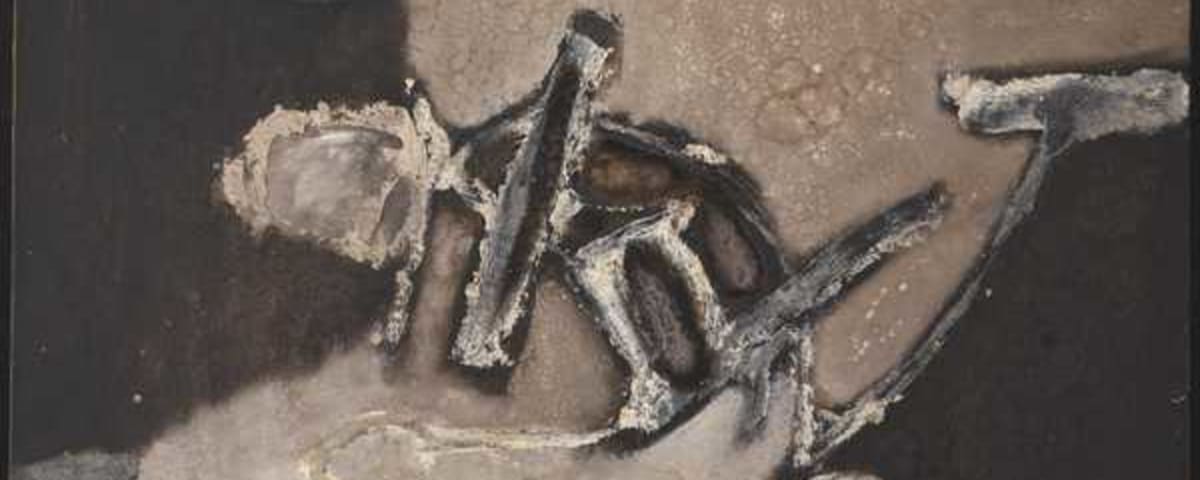
The Black Atlantic is a concept introduced by the British sociologist and cultural theorist Paul Gilroy in his influential book The Black Atlantic: Modernity and Double Consciousness (1993). The term describes a cultural space spanning Africa, the Americas, the Caribbean, and Europe, regions bound together by the transatlantic slave trade and its enduring aftermath. Gilroy argued that Black culture cannot be reduced to a single nation or ethnicity, because it was formed through constant movement, exchange, and fusion of peoples, ideas, and artistic forms across the Atlantic Ocean. The concept challenges narrow national and racial narratives, emphasising the transnational, hybrid character of modernity itself. Gilroy used the image of the ship as a symbol of movement, trade, and cultural exchange between continents. In the visual arts, the idea of the Black Atlantic has inspired many diaspora artists to reflect on the legacies of slavery, migration, and the condition of double consciousness. The term has become foundational to postcolonial studies, diaspora research, and contemporary art, offering a way to understand culture as a network of connections rather than a fixed tradition tied to a single place or people.
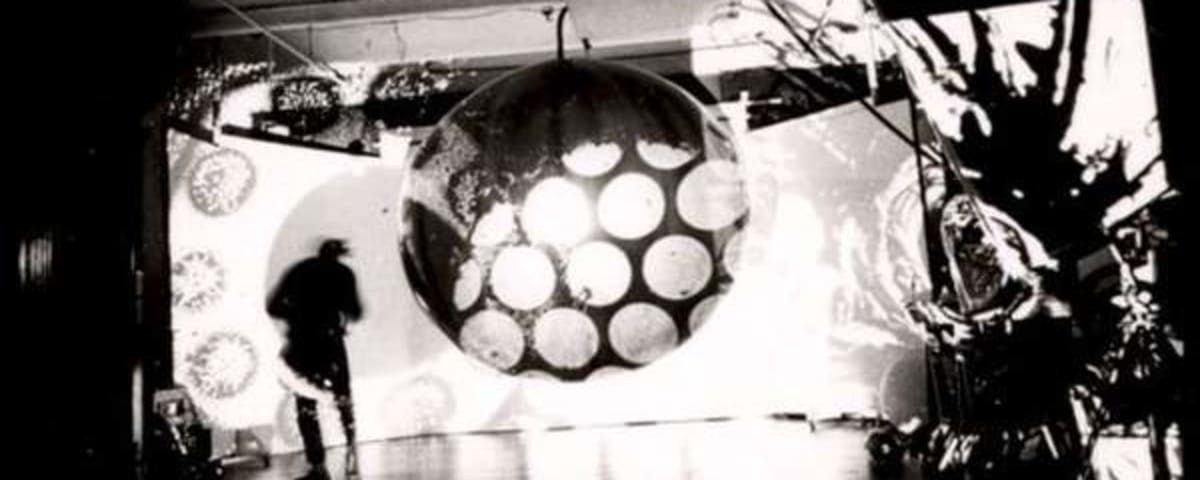
The black box, in the context of contemporary art, is a term for a darkened, usually square or rectangular room painted black, used to present performance, video art, sound installations, and other experimental time-based forms of art. The name derives from the theatrical tradition of the black box theatre, a flexible space without a fixed stage that allows the relationship between performer and audience to be freely arranged and reconfigured. The black box is often contrasted with the white cube, the bright, neutral gallery space designed to display static objects such as paintings and sculptures. Where the white cube emphasises the autonomy and timelessness of the object, the black box immerses the viewer in a controlled environment in which time, duration, lighting, and sound play a central role. As performative and media-based practices spread in the second half of the twentieth century, museums and galleries increasingly began to install dedicated black box spaces for such works. Today the term is widely used in museum practice to describe a space specially adapted to the needs of moving image and live performance, distinct from conventional exhibition galleries.
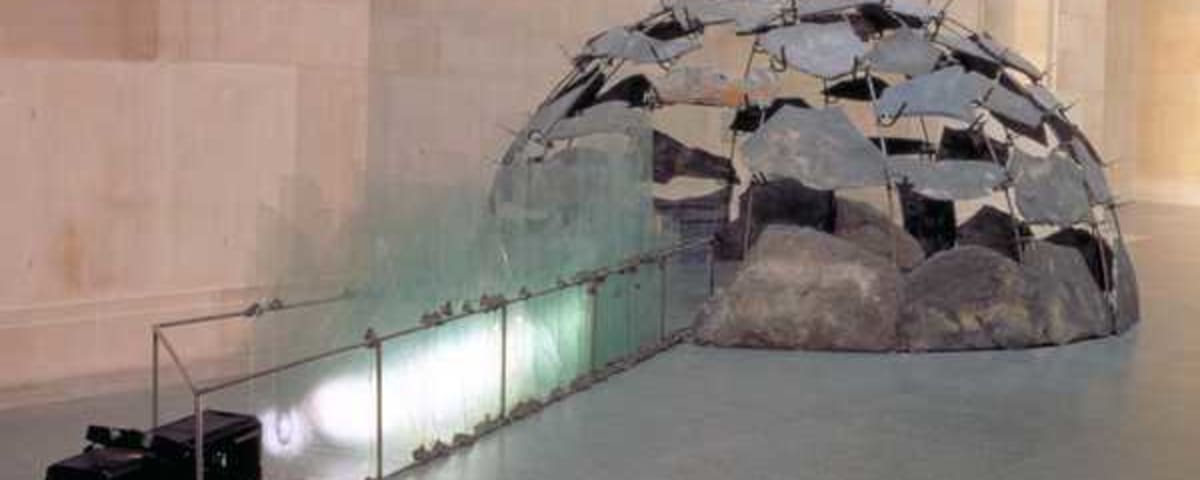
Bricolage is a method of creating a work of art from a diverse range of materials that happen to be at hand, often chance, found, or repurposed objects. The French word bricolage means do-it-yourself construction or something made from available means, while a bricoleur is a self-taught handyman who inventively combines whatever is available. The term acquired theoretical significance through the French anthropologist Claude Lévi-Strauss, who in The Savage Mind contrasted the bricoleur, working with a limited set of existing elements, with the engineer, who fashions tools for a specific task. In art, bricolage is closely related to the practices of collage, assemblage, and the readymade, pioneered in the early twentieth century by Cubists, Dadaists, and Surrealists. Artists such as Kurt Schwitters created compositions from tickets, wrappers, and fragments of everyday life. Bricolage undermines the idea of the artist as a creator who begins from a blank page, emphasising instead the reworking, combining, and transformation of ready-made material. In a broader cultural sense, the concept is also applied to music, fashion, and subcultures, where new meanings arise from the unexpected juxtaposition of pre-existing elements.
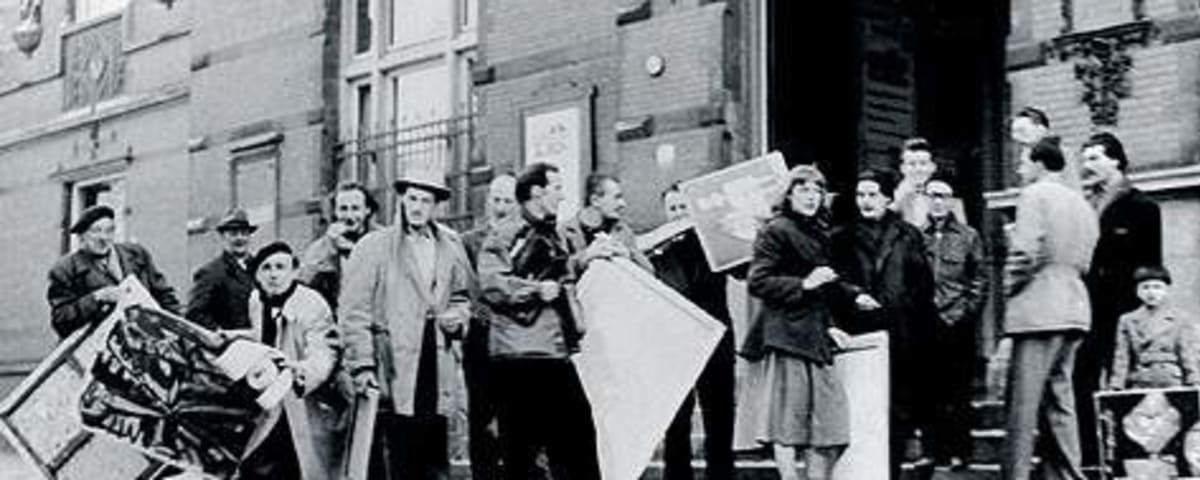
A collective is a group of artists who work together to achieve a shared creative, social, or political goal. In contrast to the traditional idea of the artist as a solitary genius, the collective is based on collaboration, shared authorship, and joint decision-making. Members may operate under a single name, concealing individual contributions, or retain their own identities while acting together. Collectives often emerge as a response to the commercialisation of the art market and a desire for solidarity and mutual support. History records many influential artistic collectives, from avant-garde associations of the early twentieth century to groups such as Fluxus, the Guerrilla Girls, and General Idea. In Ukraine, a powerful example of collective practice was the Boichukist school led by Mykhailo Boichuk in the 1910s to 1930s, which developed a national monumental style and was destroyed by the Stalinist regime. Collective practice has taken on new prominence in contemporary art, where groups of artists realise large-scale projects, installations, and social initiatives. The awarding of several leading art prizes to collectives testifies to the recognition of shared creativity as a fully valid and potent form of artistic expression.
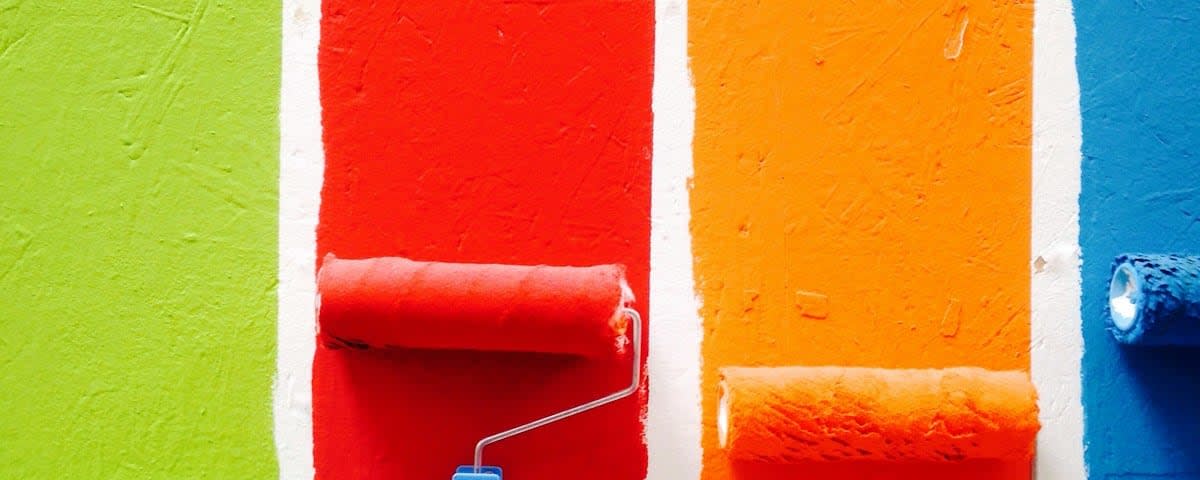
Complementary colours are pairs of colours positioned on opposite sides of the colour wheel that create the strongest possible contrast with one another. The classic complementary pairs in the traditional model are red and green, blue and orange, and yellow and purple. When complementary colours are placed side by side, they mutually intensify each other's brightness and saturation, making one another appear more vivid and intense. When pigments are mixed, however, complementary colours neutralise each other, producing greys and neutral tones. The theory of complementary colours was systematised in colour science during the eighteenth and nineteenth centuries, notably in the work of Michel Eugène Chevreul on simultaneous contrast. Artists actively applied this principle to achieve visual tension and vibration. Post-Impressionists, especially Vincent van Gogh, deliberately built compositions on the juxtaposition of complementaries to heighten emotional expression. Pointillists such as Georges Seurat placed dots of complementary colours side by side so that the viewer's eye would blend them optically. An understanding of complementary colours remains fundamental to colour theory, design, and painting, allowing artists to control the perception of contrast, depth, and harmony.
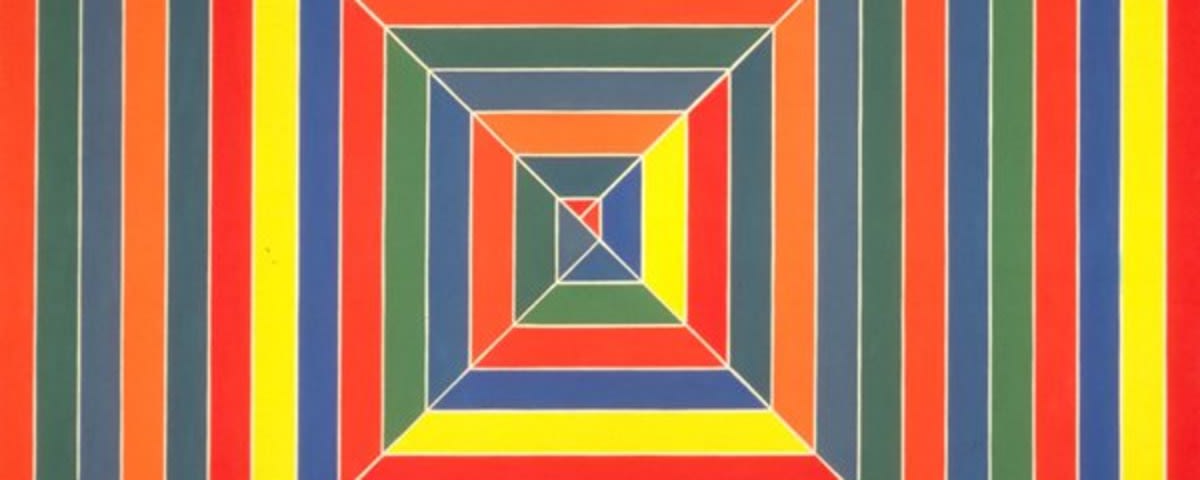
Composition is the arrangement and organisation of visual elements within a work of art, the way in which lines, shapes, colours, masses, space, and light are combined into a unified whole. Composition is one of the fundamental foundations of the visual arts, because it determines how the viewer perceives the work, where the gaze is directed, and what overall impression results. A successful composition creates balance, rhythm, unity, and expressiveness, whereas a poor one undermines the coherence of the image. Throughout the history of art, artists have developed numerous principles of composition: symmetry and asymmetry, the golden ratio, the rule of thirds, diagonal and pyramidal schemes, and the use of foreground, middle ground, and background. Renaissance masters such as Leonardo da Vinci and Raphael achieved perfection in balanced, harmonious compositions. Modernists of the twentieth century, by contrast, broke traditional rules, experimenting with fragmentation, abstraction, and dynamic imbalance. In Cubism, Suprematism, and abstract art, composition became a subject of study in its own right, freed from any representational function. Regardless of style, composition remains the central instrument through which an artist organises form and directs perception.

Contemporary art is a term used to denote the art of the present and the relatively recent past, generally from the second half of the twentieth century to the present day. The conventional boundary is often placed at the end of the 1960s or the 1970s, when modernism gave way to more diverse, pluralistic practices. Contemporary art succeeded classical modernism and has no single style or ideology; it is characterised by a plurality of languages, media, approaches and themes, as well as a global and often multicultural context. Its defining trait is not fidelity to a particular form but openness to any means. Alongside painting and sculpture, installation, performance, video art, photography, digital, media and networked practices, conceptual art, public art and participatory art all exist on equal terms. Contemporary art programmatically blurs boundaries — between genres, between high and popular culture, between art and everyday life, between artist and viewer — often using quotation, irony, appropriation and a conceptual approach. At the centre of its attention are pressing social, political, environmental, gender and identity questions, as well as critical reflection on the art institutions themselves. Biennials, art fairs, museums of contemporary art, independent venues and large exhibition projects play a key role in its circulation, and the curator frequently acts as a co-author of meaning. The role of non-state institutions, private foundations and self-organised initiatives in shaping the artistic process keeps growing. Among its influential figures are Joseph Beuys, Marina Abramović, Ai Weiwei and Anselm Kiefer. In Ukraine, contemporary art has developed vigorously since the "New Wave" and the Ukrainian Trans-avant-garde of the late 1980s, and experienced a powerful upsurge after independence in 1991. Among its emblematic names are Oleg Holosiy, Arsen Savadov, the R.E.P. group, Nikita Kadan and Zhanna Kadyrova, whose works represent the country at leading international venues, including the Venice Biennale. Ukrainian artists actively engage with national identity and historical memory, and under the conditions of war contemporary art has taken on particular urgency, becoming an instrument of testimony, memory and resistance while gaining increasing recognition on the international stage. Contemporary art remains a living space of experiment and dialogue with reality.
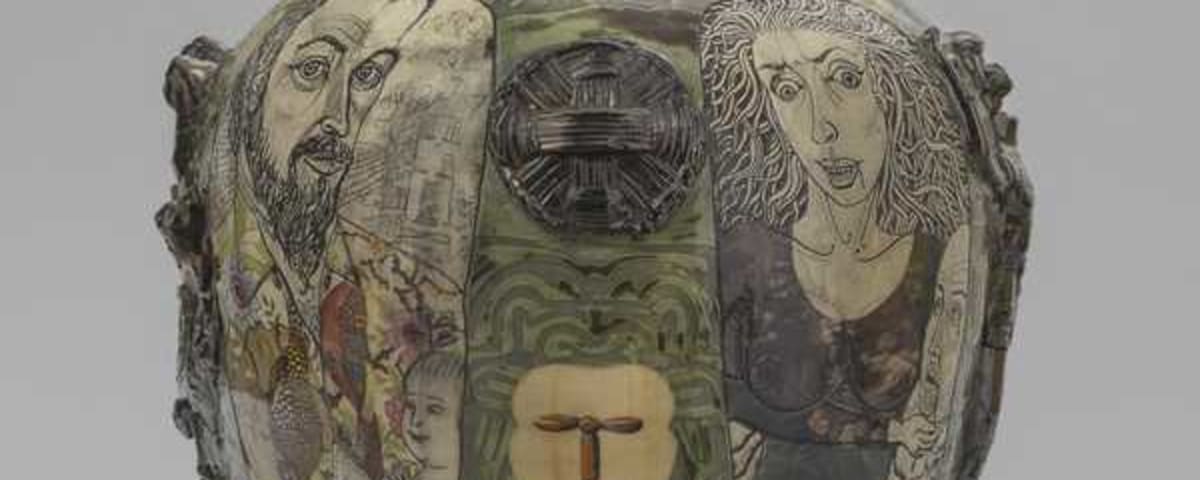
Craft is a form of creativity that usually involves making a functional object through skill, manual labour, and mastery of a material. Traditional crafts include pottery, weaving, blacksmithing, woodworking, glassblowing, embroidery, wood carving, and jewellery making. Unlike the fine arts, which have historically been valued primarily for aesthetic and conceptual significance, craft was long regarded as an applied activity connected to usefulness and everyday use. The boundary between craft and high art has been mobile throughout history and has been repeatedly renegotiated. The Arts and Crafts Movement, founded in Britain in the late nineteenth century by William Morris, championed the value of handwork as a counter to impersonal factory production. In the twentieth century the Bauhaus sought to unite art, craft, and industrial design. Ukrainian culture possesses an exceptionally rich craft heritage, from Petrykivka decorative painting and Hutsul ceramics to embroidery, pysanka egg decoration, and weaving, all of which form an important part of national identity. Today the boundaries between craft and contemporary art are increasingly blurred, and mastery of material is once again valued as a full-fledged artistic statement.
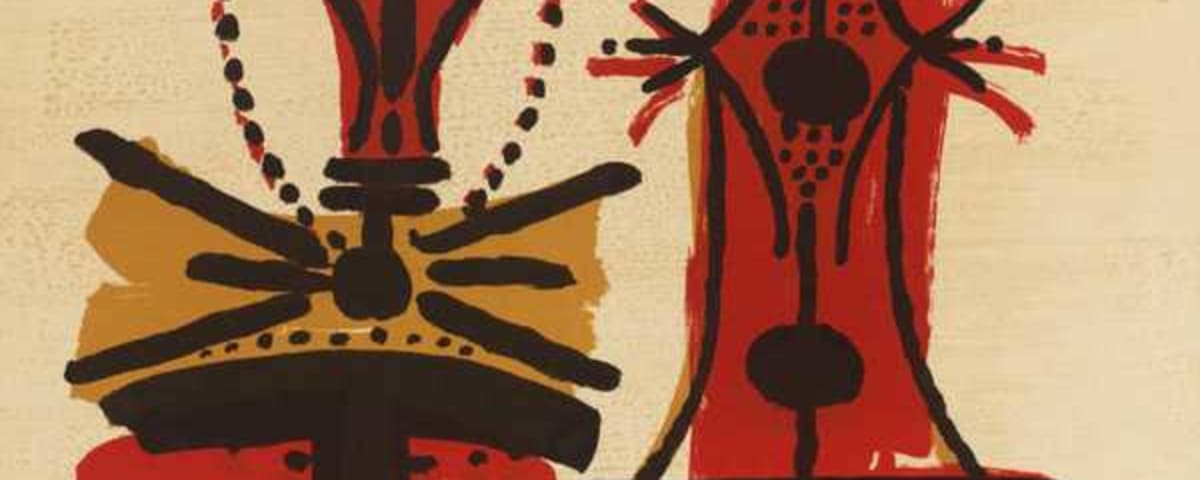
Creolisation is a concept that emerged in the Caribbean region and describes the process by which different peoples, languages, and cultures blend into a single new whole. The term derives from the word Creole, first used to designate people born in the colonies and later the languages and cultures that arose from the fusion of African, European, Indigenous, and Asian elements in the context of colonialism and the slave trade. Creolisation emphasises that from the violent collision of cultures there emerges not merely a mixture but a qualitatively new and distinctive form. Theorists such as the Martinican writers Édouard Glissant and Patrick Chamoiseau developed creolisation as a way of thinking about identity grounded in hybridity, plurality, and openness rather than purity or rootedness. In the visual arts, the concept has inspired diaspora artists to reflect on the complex interweaving of cultural heritages and to resist simplified national or racial categories. Creolisation has become an important tool in postcolonial studies, offering a model of culture as a dynamic, continuous process of mutual exchange. In contrast to the idea of assimilation, it affirms the creative power of cultural mixing as a source of new forms of expression and new ways of being in the world.
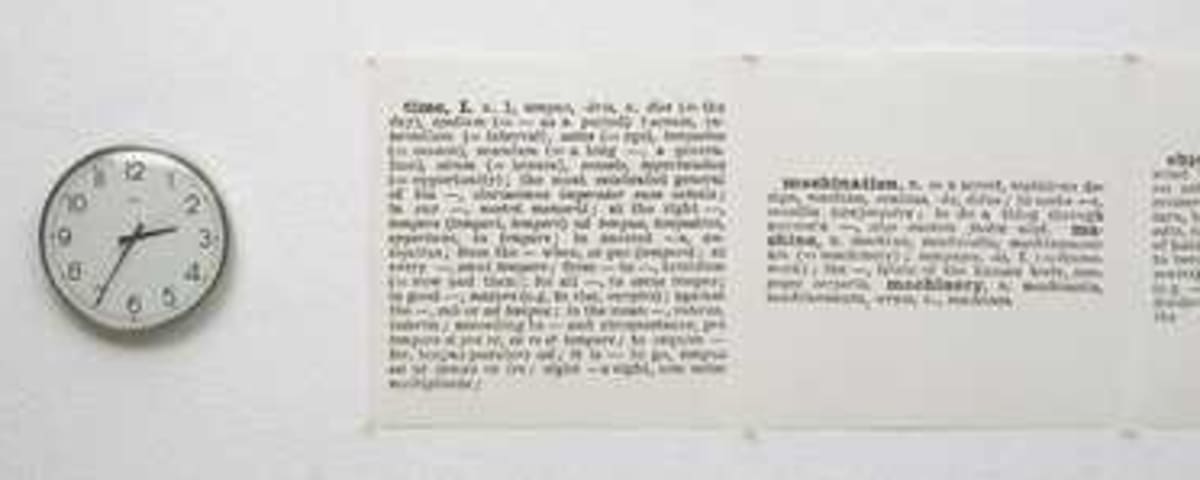
Deconstruction is a form of philosophical and critical practice developed by the French philosopher Jacques Derrida in the late 1960s and 1970s. Deconstruction is a way of analysing texts, signs, and meanings that reveals how any work contains multiple, often contradictory meanings, and how the stability of meaning is an illusion. Derrida argued that Western thought has traditionally relied on binary oppositions, such as speech and writing, presence and absence, nature and culture, in which one term is always privileged, and deconstruction seeks to unsettle these hierarchies. Rather than destroying a text, deconstruction exposes the internal tensions, contradictions, and undecidabilities already contained within it. During the 1980s this approach deeply influenced art theory, architecture, and criticism. In deconstructivist architecture, represented by figures such as Frank Gehry, Zaha Hadid, and Daniel Libeskind, buildings deliberately violate notions of harmony, stability, and coherence, fragmenting form into displaced and dislocated elements. In the visual arts, deconstruction inspired artists to question the fixed meanings of images, representation, and authorship. Despite its complexity and controversy, deconstruction remains an influential tool for critical thinking about language, meaning, and power.
Diaspora is a term describing the dispersal of a population from its homeland and its settlement across various countries, as well as the communities that result. The word derives from the Greek diaspora, meaning a scattering. The term was originally applied to the Jewish people, dispersed after exile, and its meaning later expanded to encompass the Armenian, African, Irish, Ukrainian, and many other diasporas. Key features of the diasporic experience include the maintenance of ties to the homeland, collective memory, an often traumatic history of displacement, and a sense of dual belonging. The Ukrainian diaspora is one of the largest and most active in the world, formed by several waves of emigration, from the labour migrations of the late nineteenth century to flight from Stalinist repression, the postwar wave, and contemporary migrations, including those caused by the full-scale invasion. Ukrainian diaspora communities in Canada, the United States, Brazil, and elsewhere played an important role in preserving language, culture, and art at a time when these were persecuted in the homeland. In contemporary art, the theme of diaspora raises questions of identity, memory, displacement, belonging, and cultural heritage, becoming a source of powerful artistic statements by artists scattered across the world.

An edition, in art, is a series of identical impressions, prints, or multiples produced from a single printing plate, matrix, negative, or model. The concept of the edition is central to reproducible techniques such as engraving, etching, lithography, and screen printing, as well as photography and sculptural casting. Each copy in an edition is considered an original work rather than a copy, because it is produced directly from the artist's plate under the artist's control or with their authorisation. The size of an edition, meaning the number of copies, significantly affects the value and rarity of works: smaller editions generally command higher prices. Copies are traditionally numbered as a fraction, so that 12/50, for example, means the twelfth impression out of a total run of fifty. In addition to numbered sheets, there are also artist's proofs (épreuve d'artiste), trial proofs, and printer's proofs. Once the edition is complete, the printing plate is often cancelled or destroyed to prevent unauthorised additional printing. The practice of limited editions allows art to be more accessible while maintaining a controlled rarity, combining the democratisation of printmaking with the market value associated with an original.
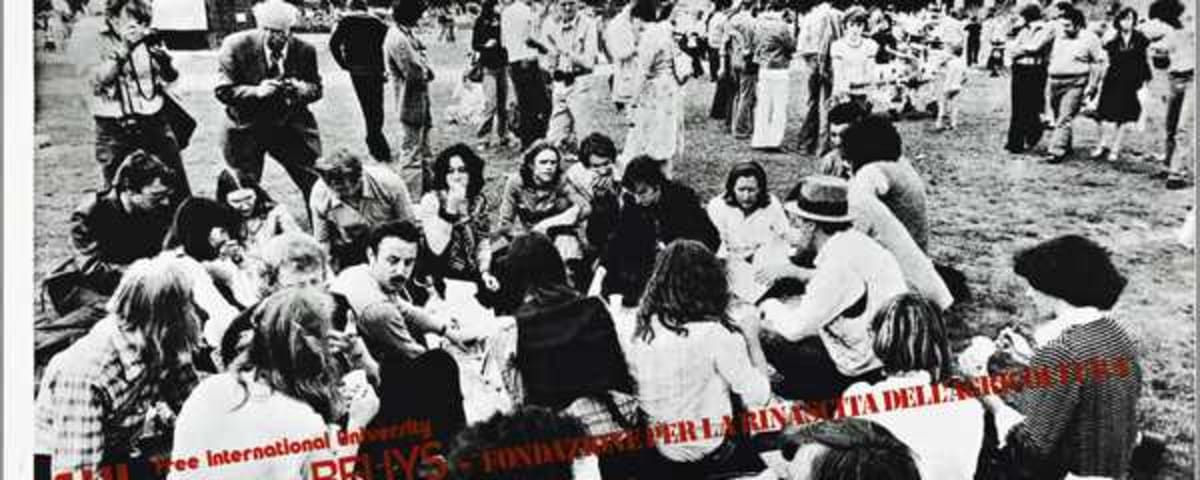
The educational turn is a tendency in contemporary art and curatorial practice that emerged in the mid-1990s and gained prominence in the 2000s. The term describes a growing interest in education, learning, research, and the exchange of knowledge as independent forms of artistic activity. Within the educational turn, emphasis shifts from the finished art object to process, collaboration, discussion, and the collective production of knowledge. Here art approaches pedagogy, and exhibitions, seminars, reading groups, workshops, and alternative schools become fully valid artistic practices. The educational turn is closely connected to relational aesthetics and to participatory and socially engaged art. Curators and artists began to rethink the exhibition itself as an educational space rather than merely a place for displaying objects. Notable manifestations of this tendency were numerous projects that combined art with experimental pedagogy and critical theory, including at major biennials and Documenta. Critics observed that the educational turn reflects a broader desire in art to move beyond the market and the museum institution, turning instead toward community-based, dialogical, and processual work. At the same time, the tendency provoked debate about the risk of instrumentalising both education and art.
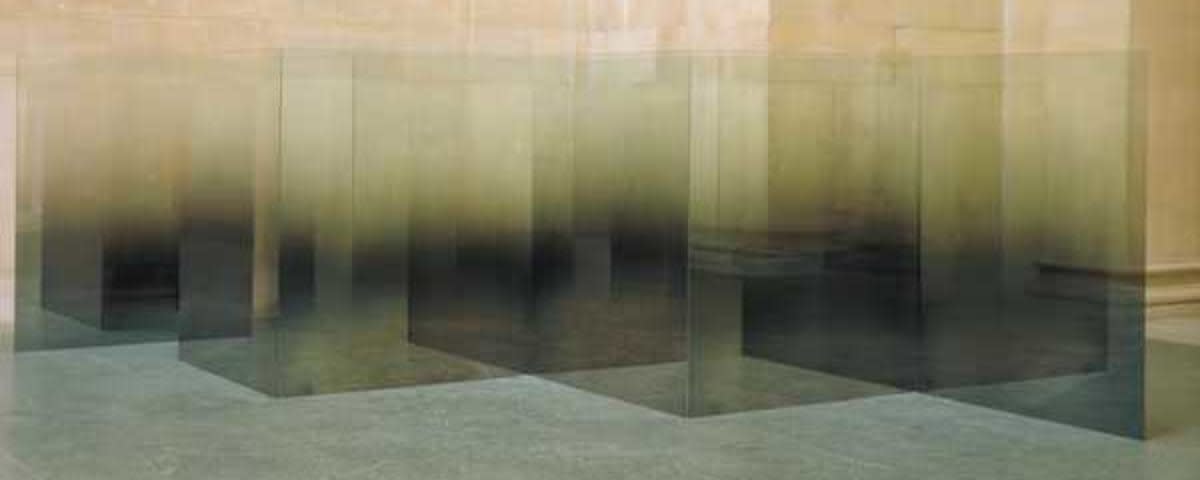
Entropy is a concept borrowed from physics and thermodynamics, where it denotes a measure of disorder, disorganisation, and the inevitable gradual breakdown of a system. The second law of thermodynamics states that in an isolated system entropy never decreases over time, increasing in irreversible processes, and ordered energy dissipates. In a broader cultural sense, entropy has become a metaphor for decay, dissolution, and the irreversible drift toward chaos, the degradation of society, matter, or meaning. The concept of entropy was introduced into art by the American artist Robert Smithson in the late 1960s. In his essays and land art works, notably the famous Spiral Jetty (1970), Smithson reflected on geological time, erosion, and the inevitable destruction of forms by natural forces. For him, entropy was not only a physical process but also a philosophical concept that undermined ideas of progress and permanence. Entropy influenced the development of Minimalism, land art, and conceptual art, inspiring artists to work with temporality, decay, and irreversible processes. Works that deliberately age, erode, or change over time embody the idea that matter and order inevitably tend toward disintegration.
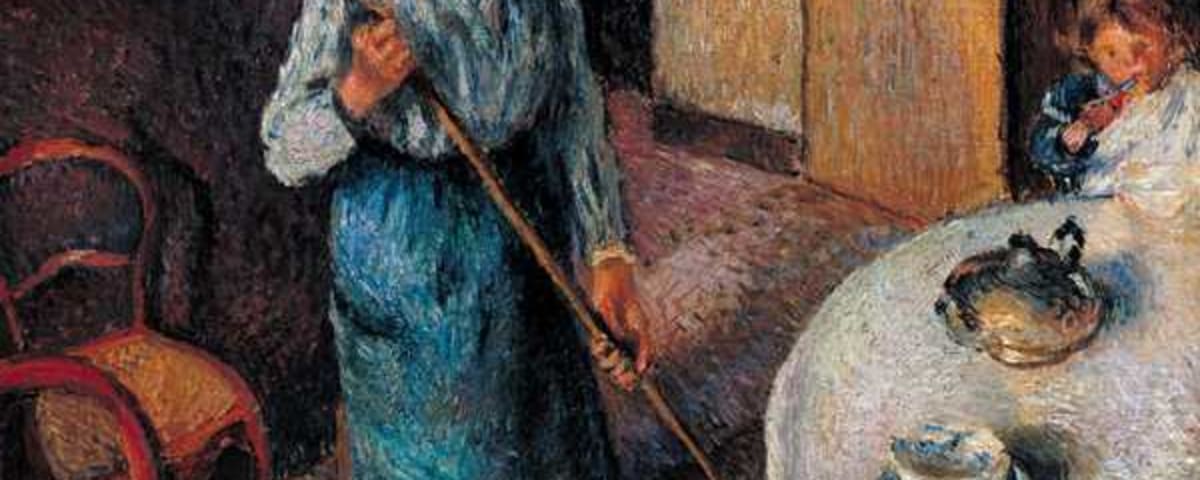
The flâneur is a French term meaning a stroller, an idler, or one who wanders without purpose. The concept acquired special cultural significance through the French poet Charles Baudelaire, who in the nineteenth century used it to designate the attentive observer of modern urban life. The flâneur is a person who ambles unhurriedly through the streets, arcades, and boulevards of the great city, dissolving into the crowd while remaining a detached observer who absorbs the impressions, images, and moods of the modern metropolis. The figure of the flâneur became a symbol of a new kind of urban experience generated by rapid urbanisation and the rebuilding of Paris. The German philosopher and critic Walter Benjamin developed the concept in his unfinished Arcades Project, turning the flâneur into a key figure for understanding modernity, consumption, and alienation in the city. For Benjamin, the flâneur embodied a particular way of seeing, an aestheticised, contemplative attitude toward the city as a text to be read. The figure of the flâneur has profoundly influenced modern art, literature, photography, and cinema, becoming a model of the artist as an observer who captures the fleeting beauty and rhythms of contemporary life.
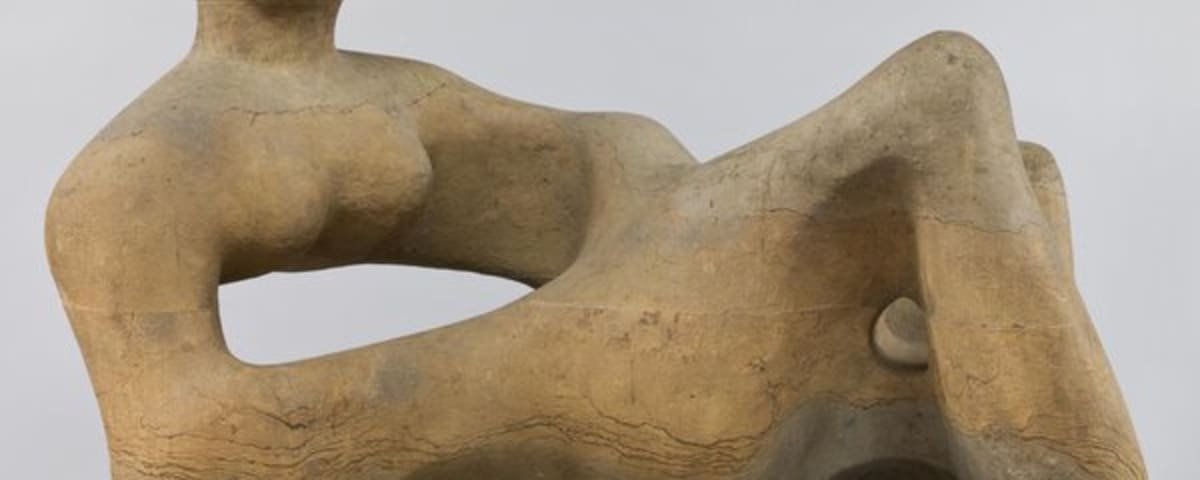
Form is one of the fundamental concepts of art, carrying several interrelated meanings. In the broadest sense, form refers to the overall physical nature of a work, its material, three-dimensional or planar structure, contours, and volume. In a narrower sense, form is one of the elements of visual language alongside line, colour, tone, texture, and space; it denotes a bounded mass or figure that occupies space or creates the illusion of volume on a flat surface. The opposition between form and content is one of the key problems of aesthetics: some theories emphasise the primacy of content, that is, what is depicted or expressed, while others stress the self-sufficiency of form. Formalism, an influential current in twentieth-century criticism represented by figures such as Clive Bell, Roger Fry, and Clement Greenberg, argued that the aesthetic value of a work lies primarily in its formal qualities, the organisation of lines, colours, and masses, rather than in subject matter or narrative. Abstract art carried this principle to its logical conclusion, making form a subject in its own right. An understanding of form remains fundamental to art analysis, allowing one to describe how a work is constructed and how it affects the viewer independently of what is depicted.
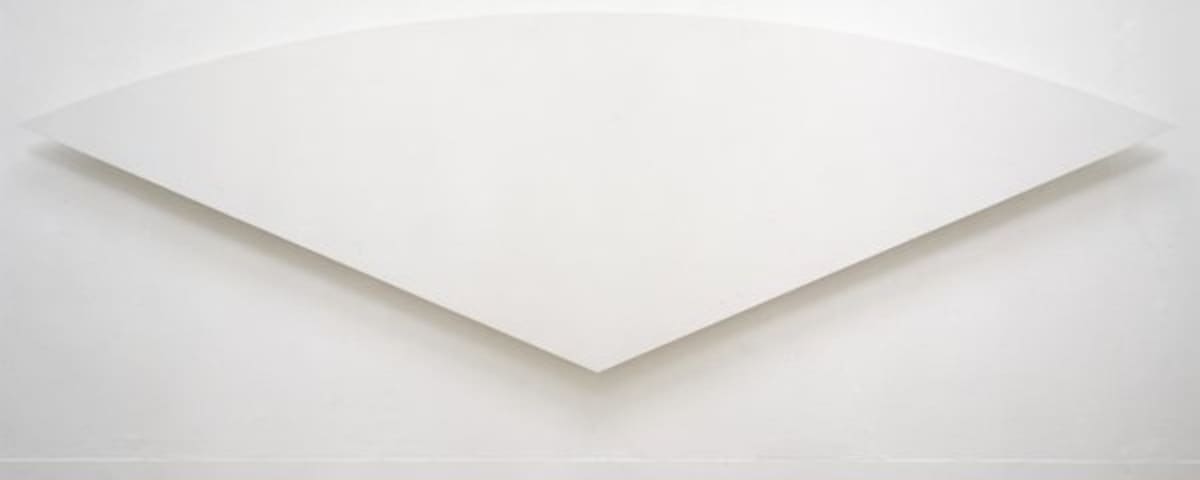
Format is a term that traditionally describes the shape, size, and proportions of the support on which a work of art is created, such as a canvas, sheet, panel, or another usually flat surface like a relief. Format determines the basic dimensions of a work and the ratio of its sides. The most common formats are rectangular, which, depending on orientation, are divided into portrait (vertical), landscape (horizontal), and square. Historically there were also specialised format names, such as marine for elongated horizontal canvases depicting the sea. The choice of format is not neutral; it significantly affects the composition, perception, and meaning of a work. A vertical format emphasises height, monumentality, and spiritual elevation, which is why it was often used in icon painting and religious art, including the Ukrainian icon. A horizontal format fosters a sense of space, narrative, and panorama. Non-standard formats such as oval, circular (tondo), elongated, or shaped supports can lend a work particular expressiveness and challenge the viewer's usual expectations. In contemporary art, artists often deliberately experiment with format, moving beyond the rectangle to expand expressive possibilities and to reorganise the relationship between the image and the viewer's space.
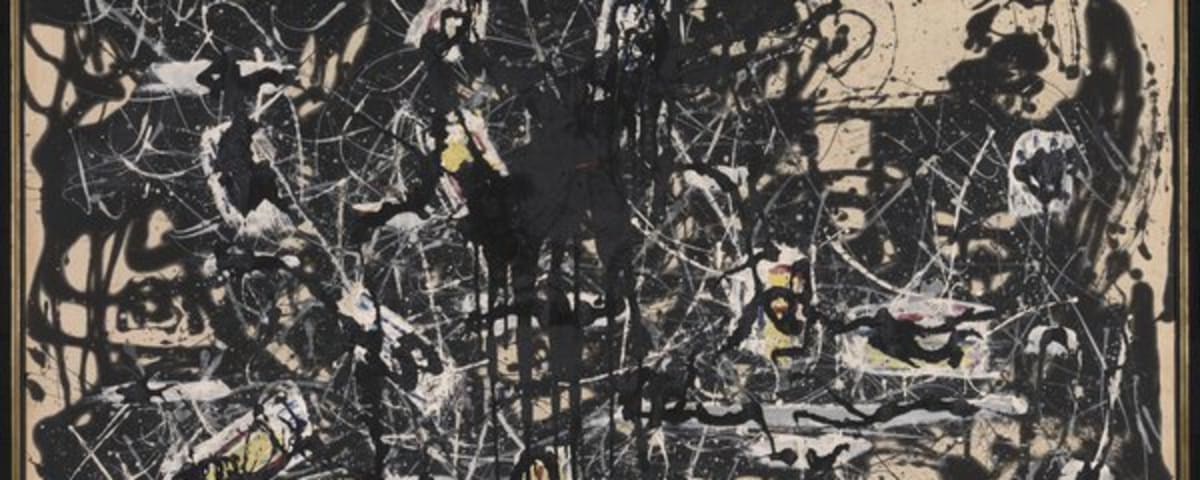
Formlessness, or in French informe, is a concept first introduced by the French writer and philosopher Georges Bataille in the late 1920s. In a short but influential entry published in the journal Documents, Bataille defined the informe not as a particular form but as an operation that lowers things, breaking down established categories and hierarchies. For him, formlessness was a way of dragging art down from its elevated, idealised status toward base materialism, toward the low, the bodily, and the disordered. The concept of formlessness had a profound influence on twentieth-century art, especially on Surrealism, art brut, Abstract Expressionism, and later material-oriented practices. Artists who worked with dripping, dirt, decay, and amorphous masses undermined the classical ideal of finished, harmonious form. In the 1990s the theorists Rosalind Krauss and Yve-Alain Bois reinterpreted the informe in the exhibition and book Formless: A User's Guide, proposing it as an alternative lens for the history of modern art, one focused not on form and content but on operations of decomposition, horizontality, and pulsation. Formlessness remains a powerful critical tool for thinking about art that resists order, purity, and idealisation.
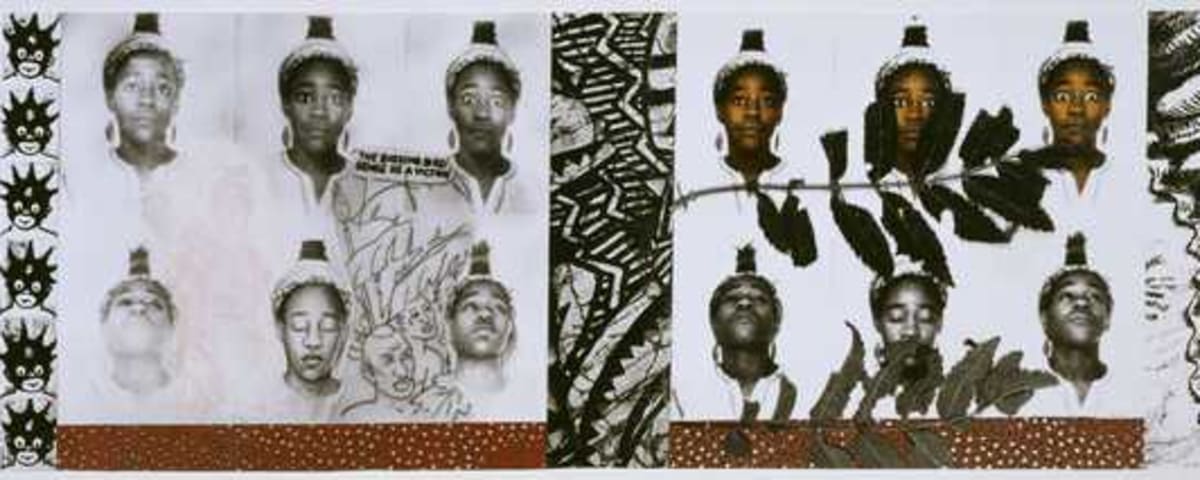
Identity politics is a political and cultural movement that gained significant currency in America and Europe in the mid-1980s. At its core is the idea that political action and solidarity can be based on the shared identity of a particular group, defined by race, ethnicity, sex, gender, sexual orientation, religion, or other characteristics. Identity politics raises questions of oppression, inequality, injustice, and representation, advocating the right of marginalised communities to voice, visibility, and self-determination. In art, identity politics became one of the defining themes from the 1980s and especially during the 1990s. Artists began actively to explore their own experience of belonging to particular groups, questioning established norms of representation, the canon, and structures of power within the art world. Feminist art, queer art, and the work of artists from diverse backgrounds all challenged the notion of a neutral, universal, and most often white and male, artistic subject. Identity politics substantially broadened the range of themes, voices, and forms in contemporary art, though it later provoked debate about the risks of essentialism and fragmentation. Its influence entrenched the understanding that the personal is inseparably bound to the political.
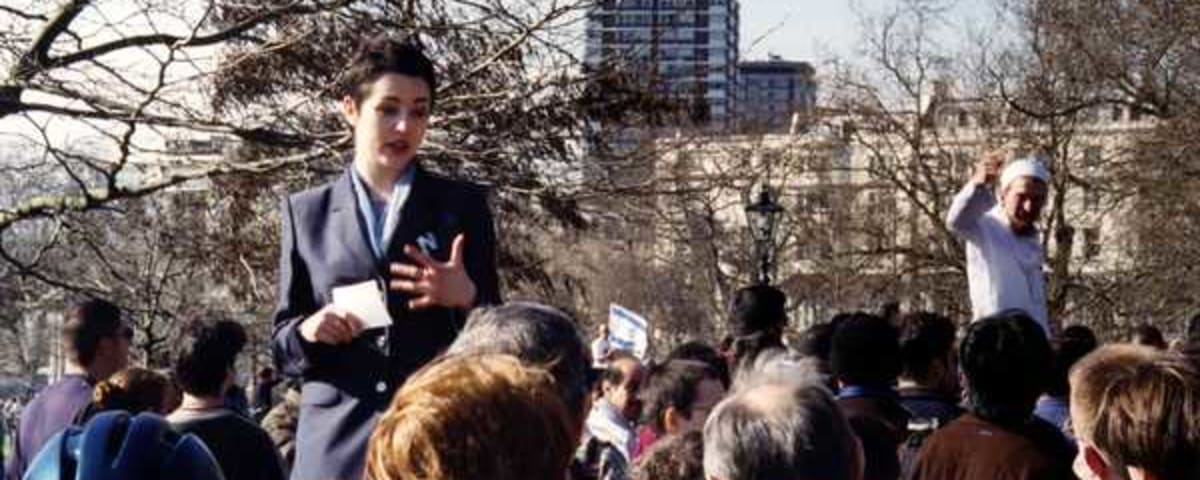
Institutional critique is an artistic practice that consists in the critical analysis and exposure of the very institutions of art, chiefly the museum and the gallery, using the means of art itself. Artists working in this vein question the supposed neutrality of the museum space, revealing the economic, political, and ideological interests behind the formation of collections, curatorial decisions, sources of funding, and the mechanisms that grant works legitimacy and value. Institutional critique took shape in the late 1960s and 1970s as part of conceptual art. Its pioneers are considered to be artists such as Hans Haacke, Marcel Broodthaers, Daniel Buren, and Michael Asher. Haacke in particular created works that publicised hidden connections between museum sponsors and questionable economic or political structures. A second wave of institutional critique in the 1980s and 1990s, represented by artists such as Andrea Fraser and Fred Wilson, broadened the focus to address questions of class, race, and gender in museum practices. Paradoxically, institutional critique was itself later absorbed by the very institutions it criticised. Despite this, it remains an important tool for reflecting on power, representation, and the role of artistic institutions in society.
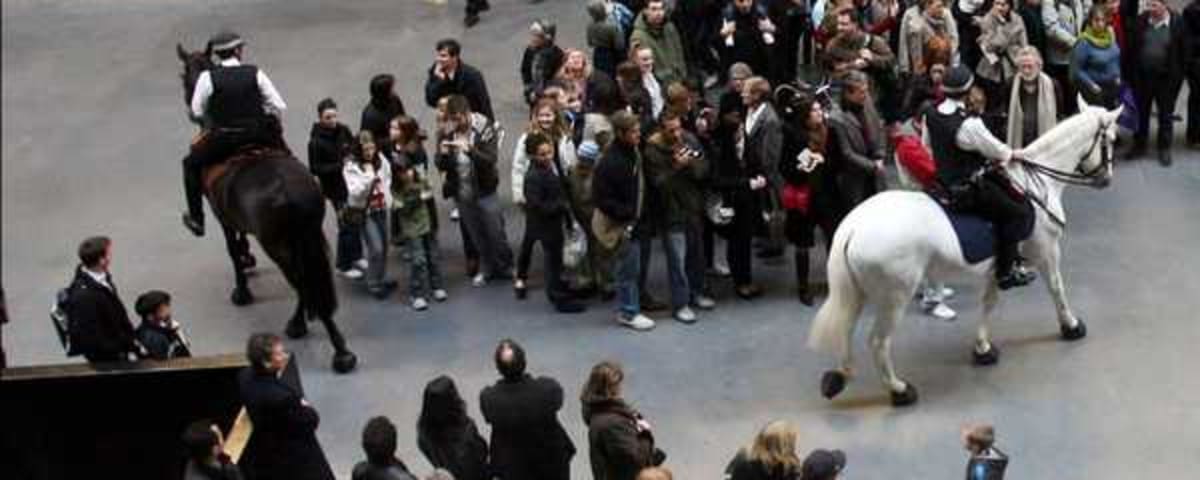
Performativity is a concept describing the capacity of words, signs, or actions not merely to describe reality but actively to create or change it. The term originates in the philosophy of language of the British thinker J. L. Austin, who in works of the 1950s identified performative utterances, phrases that by the very act of being spoken perform an action, such as I now pronounce you married or I promise. Unlike constative utterances, which can be evaluated as true or false, performative utterances do something in the world. The concept of performativity acquired enormous influence in the humanities and art theory, especially through the philosopher Judith Butler, who in the 1990s applied it to the analysis of gender. Butler argued that gender is not an innate essence but is constituted through the repeated performance of certain acts, gestures, and norms, that is, it is performative. This idea deeply influenced performance art, queer theory, and identity-related art. In an artistic context, performativity helps to understand how the body, action, and ritual produce meanings and social roles. It also emphasises the processual, active dimension of art, in which a work exists not as a static object but as an event that unfolds in time and affects reality.
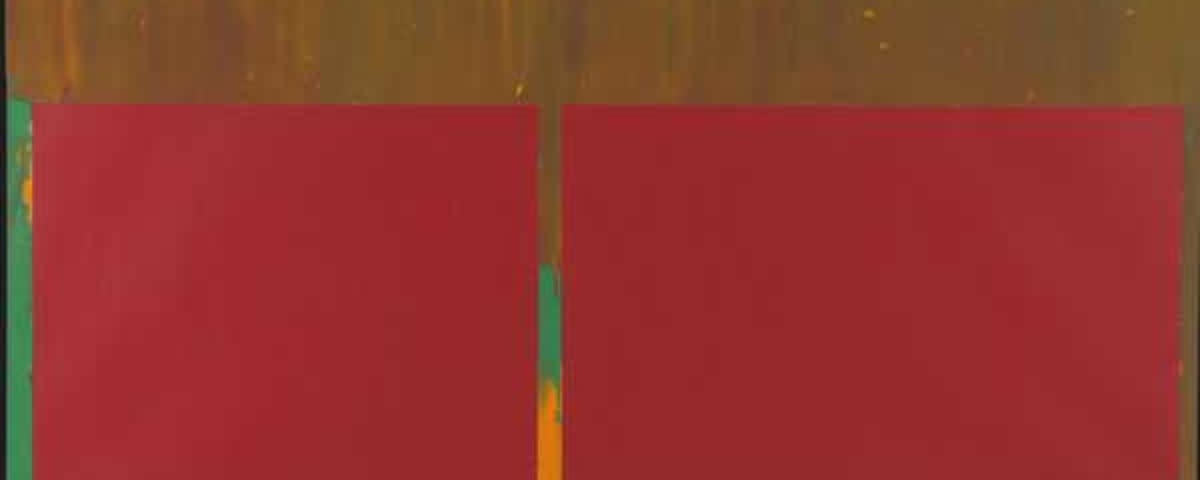
The picture plane is the notional physical surface of a painting or drawing, that is, the flat plane of the canvas, paper, or panel on which the image is created. In art theory the picture plane is often imagined as a transparent window through which the viewer looks onto the depicted world. This concept is key to understanding perspective and the illusion of depth: in Renaissance painting artists developed linear perspective in order to create, on the flat picture plane, a convincing illusion of a three-dimensional space that appears to recede behind the surface. The relationship between the picture plane and illusory space became a central problem of modern art. In the late nineteenth and early twentieth centuries, artists began deliberately to draw attention to the flatness of the surface instead of concealing it with the illusion of depth. Paul Cézanne, and later the Cubists, destroyed traditional perspective, emphasising the two-dimensionality of the canvas. The critic Clement Greenberg regarded the assertion of the flatness of the picture plane as the defining feature of modernist painting and a sign of its honesty toward its own medium. Thus the concept of the picture plane became not only a technical term but also the conceptual heart of debates about the nature of painting, illusion, and abstraction.
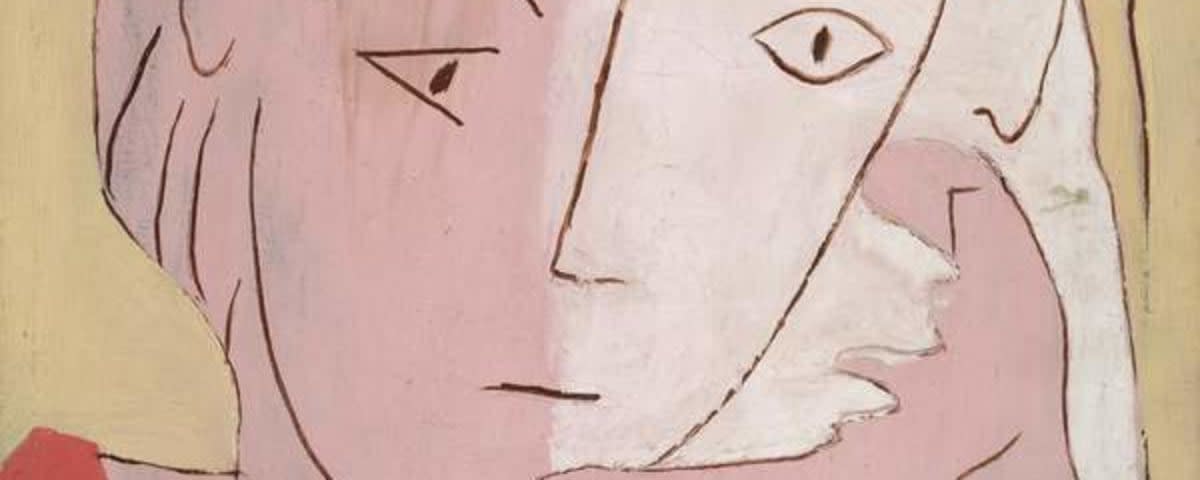
A plane, in art, is any flat, level surface, as well as a distinct facet or area of such a surface in painting, drawing, or sculpture. In painting one speaks of planes when analysing how an image is divided into separate areas of colour, tone, or form, arranged at different notional levels of depth: the foreground, middle ground, and background. Each such plane helps to organise the space of the composition and to create a sense of depth or, conversely, of flatness. The concept of the plane is especially important for understanding how artists construct space and form. In traditional illusionistic painting, planes are ordered so as to imitate the recession of space into depth. In Cubism, developed by Pablo Picasso and Georges Braque in the early twentieth century, form was broken down into numerous intersecting, shifted planes that depicted an object simultaneously from different points of view and destroyed a single perspective. In sculpture and painting, planes also determine how light reflects off surfaces, shaping volume and modelling form. The analysis of planes remains an important tool of art history, allowing one to describe the structure of a work, the organisation of space, and the way form is constructed on a flat or three-dimensional support.
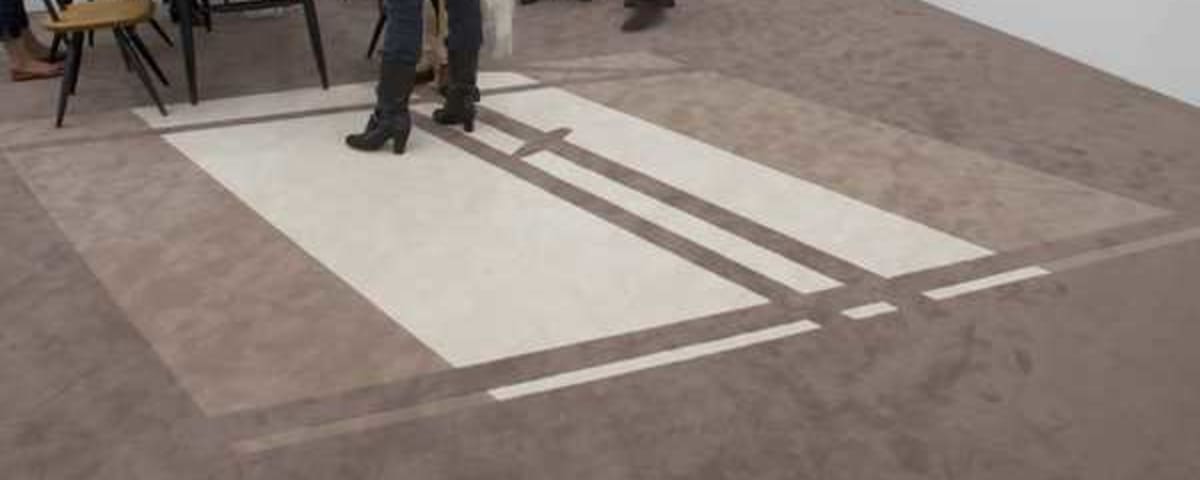
Relational aesthetics is a theory and artistic tendency formulated by the French curator and critic Nicolas Bourriaud in the 1990s, most notably in his influential book Relational Aesthetics (1998). Bourriaud observed that a number of contemporary artists were creating works based not on a material object but on human relations and their social context. In relational art the work itself is a situation, an encounter, a shared action, or an interaction between people, rather than a painting or sculpture intended for contemplation. Bourriaud developed this concept from the practices of artists such as Rirkrit Tiravanija, who cooked and served food to gallery visitors, along with Philippe Parreno, Liam Gillick, and Christine Hill. In relational aesthetics, art is regarded as a state of encounter, and the artist as someone who creates the conditions for social interaction and micro-utopian communities within the art space. This theory influenced the development of participatory and socially engaged art and the educational turn. At the same time, relational aesthetics was criticised, notably by the theorist Claire Bishop, who argued that not all social interaction is equally meaningful and that some relational projects avoid genuine conflict and criticality. Despite these debates, the concept remains influential in the understanding of contemporary artistic practices.
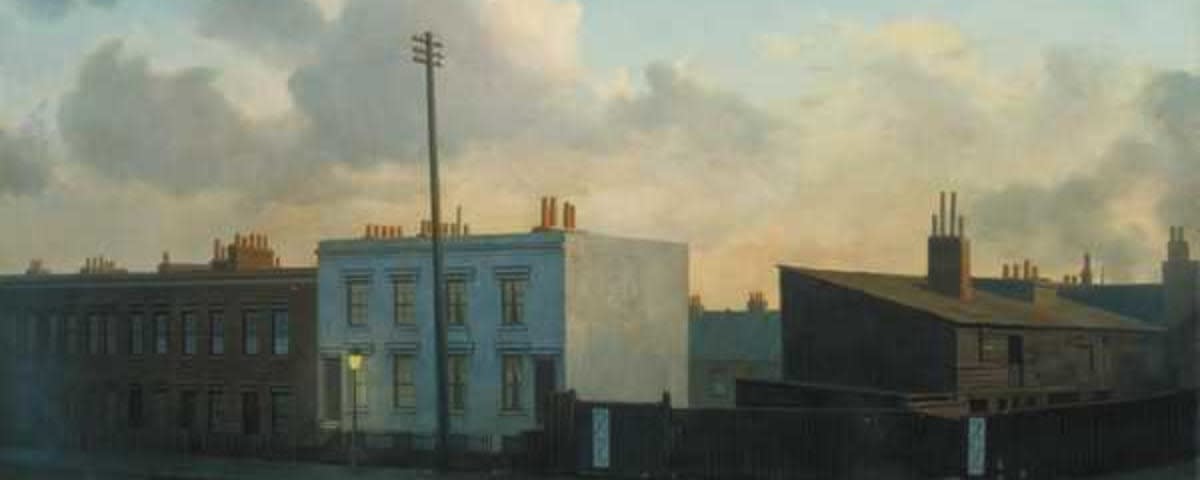
Representational art is a broad term for works that depict a recognizable aspect of visible reality — people, objects, landscapes or events. It is contrasted with abstract and non-objective (non-figurative) art, in which recognizable subjects are absent or secondary. The degree of likeness can vary enormously, from the near-photographic precision of naturalism to heavily stylized or simplified forms that nonetheless retain a link to an identifiable source. The term therefore describes the aim of showing something drawn from the world rather than a specific technique or style of execution. For most of human history art was representational, from prehistoric cave images of animals to academic painting. A decisive shift came in the early twentieth century, when artists such as Wassily Kandinsky and others began deliberately abandoning depiction in favour of pure form and colour. In that critical context the notion of the representational acquired a sharp meaning as the opposite of abstraction. In Ukrainian art the realist and figurative tradition has always coexisted with modernist and avant-garde experiment, and the term remains fundamental for analysing how a work relates to the visible world.
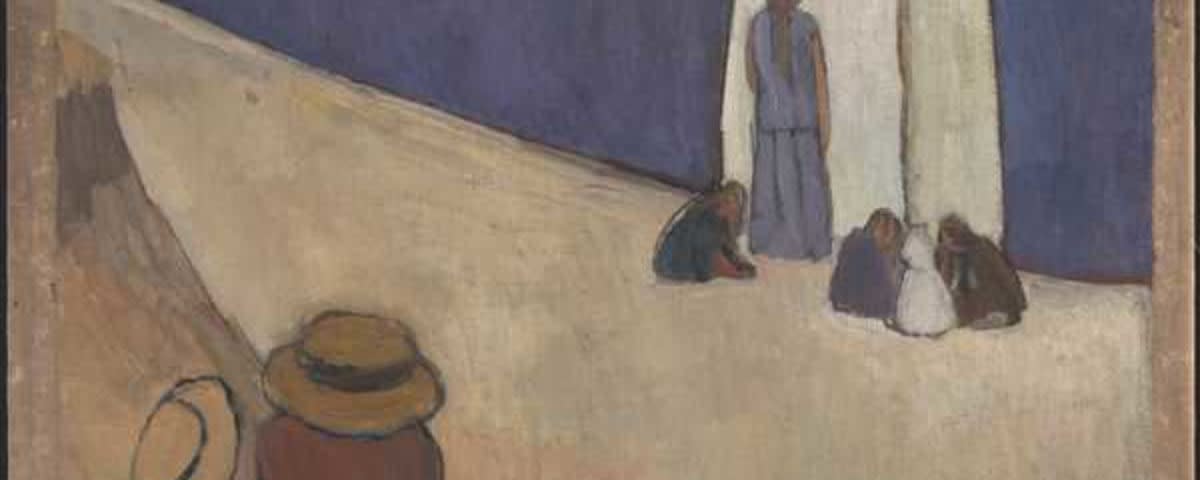
'Significant form' is a concept introduced by the English critic and art theorist Clive Bell in his book Art (1914). Bell argued that the common and defining quality of all works of visual art is a particular arrangement of lines, colours, planes and volumes that provokes in the viewer a special 'aesthetic emotion'. It is this arrangement, rather than subject matter, narrative or the recognizability of what is depicted, that makes an object a work of art. Form can be expressive even when it is largely or wholly divorced from the appearance of real things. Bell's theory rested on a formalist approach closely allied to the ideas of his colleague Roger Fry, and it served as an intellectual justification for Post-Impressionism and early abstraction, especially the work of Paul Cezanne, whom Bell regarded as exemplary. The concept helped explain why a viewer might be deeply moved by a work lacking any obvious 'content'. Critics, however, charged the theory with circularity and subjectivity, since 'aesthetic emotion' was defined by 'significant form' and 'significant form' by its power to provoke that emotion. Nonetheless the idea remained a cornerstone of twentieth-century formalist aesthetics.
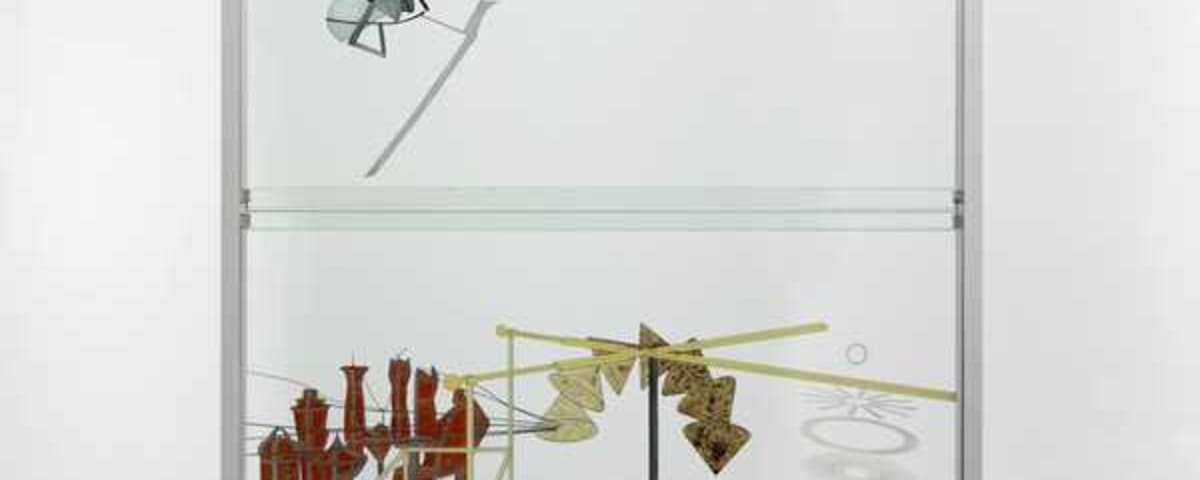
Simulacrum is a concept derived from the Latin simulacrum ('likeness', 'image') and reaching back to Platonic philosophy, where it denoted a copy of a copy, removed from the ideal form by several degrees. For Plato an image of a thing is already a copy of an idea, and a copy of such an image is a simulacrum, still further from truth and therefore suspect. In classical thought the term carried a pejorative sense, pointing to something false, deceptive and lacking the true essence of the original. In the twentieth century the notion was given new life by French philosophers, above all Jean Baudrillard, whose Simulacra and Simulation (1981) described a culture in which signs and images no longer refer to any reality but only to other signs. For Baudrillard, in the contemporary mediatized world the simulacrum is a copy without an original that displaces and replaces reality (hyperreality). These ideas deeply influenced postmodern art, appropriation and the critique of consumer culture, inspiring artists to examine the mechanisms of reproduction, advertising and mass media.
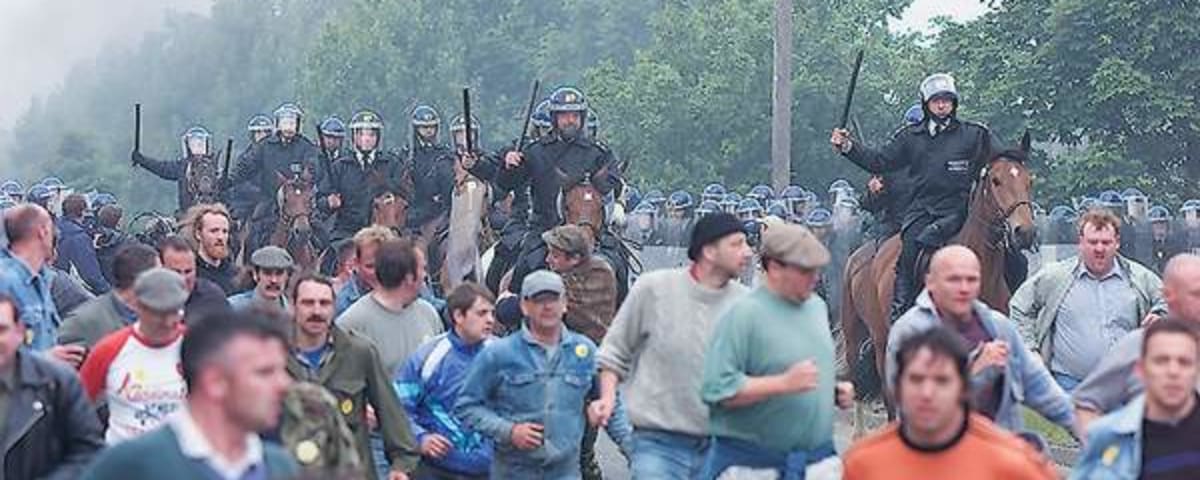
The 'social turn' is a term popularized by the critic Claire Bishop around 2006 to describe a marked return of contemporary art to socially engaged practices. It refers to works that are collaborative, often participatory (involving viewers or communities), and in which people, social relationships and shared action become the very material and medium of art rather than merely its subject. Such projects frequently take place outside the gallery — in public space, schools, neighbourhoods or communities — and blur the boundaries between art, activism and social work. The social turn is connected to notions of relational aesthetics (Nicolas Bourriaud), participatory and dialogical art. Bishop both described and critically analysed the phenomenon, insisting that the ethical value of collaboration should not automatically override aesthetic and critical judgement about the quality of a work. This tension between good intentions and artistic conviction remains central to debates about public, community and activist art practices, including in the Ukrainian context, where participatory projects gained importance during periods of social upheaval.
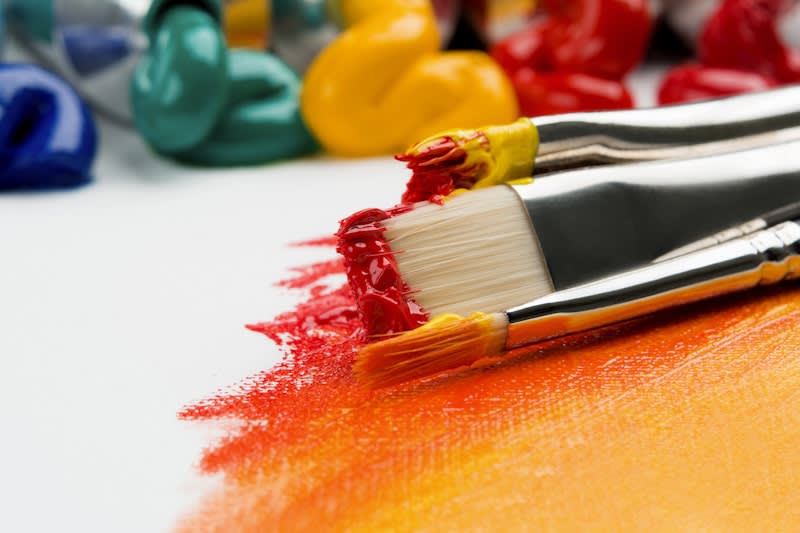
The Black Aesthetic is a cultural and artistic ideology that developed in the United States during the 1960s, running parallel to the civil rights and Black Power movements. It served as the artistic wing of the broader Black Arts Movement, which the theorist Larry Neal in 1968 called the 'aesthetic and spiritual sister of the Black Power concept'. Advocates of the Black Aesthetic argued that African American art should draw upon its own cultural experience, history of enslavement, and ongoing struggle, rather than imitating European canons and standards of beauty. The movement promoted a form of cultural separatism in the arts, emphasising the need to create works that address the Black community directly and strengthen its self-awareness, pride, and dignity. The Black Aesthetic encompassed poetry, music, theatre, visual art, and criticism, insisting that both form and content should serve social and political liberation. Although the movement was later criticised for essentialism, its influence was profound: it reframed the relationship between art, identity, and politics and paved the way for subsequent generations of Black artists, writers, and theorists who continued to interrogate representation and power.

The uncanny is an aesthetic and psychological category most fully formulated by Sigmund Freud in his essay 'Das Unheimliche' (1919). Freud defined the uncanny as a particular kind of dread that arises when something is at once familiar and strange: when the long-repressed returns in a familiar guise. The German unheimlich literally means 'un-homely', the opposite of the cosy and safe, and it is precisely the fusion of the familiar and the disturbing that produces this peculiar sensation. Examples include dolls, waxworks, automata, doubles and objects that seem to come alive — everything that hovers on the border between the living and the inanimate. The concept had an enormous influence on twentieth-century art, especially Surrealism: Giorgio de Chirico, Hans Bellmer, Meret Oppenheim and Max Ernst deliberately created images that evoke this uneasy anxiety. Later the uncanny became an important tool for the critical analysis of photography, installation and other media, notably in the writings of the art historian Hal Foster. The category remains productive for discussing works that unsettle the boundary between the familiar and the strange, the living and the dead, the real and the imagined, provoking in the viewer a deep psychological disquiet.
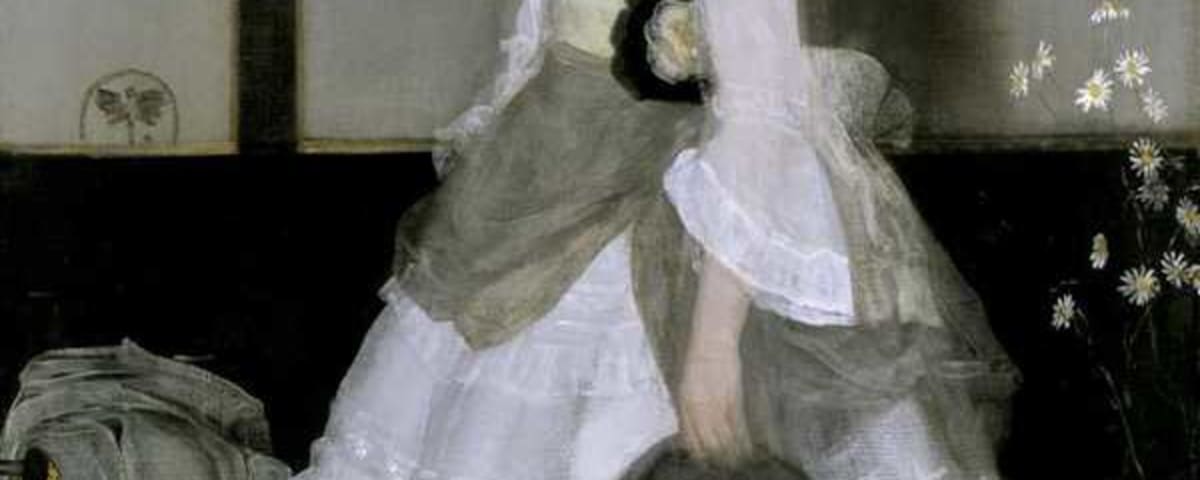
Tone in the visual arts is the degree of lightness or darkness of a colour or surface, independent of its chromatic hue. Artists distinguish colour by three main properties: hue itself (for example red or blue), saturation and tone (value or lightness). The ability to perceive and render tonal relationships is one of the fundamental skills of the draughtsman and painter, for it is the gradations of light and shade that create the illusion of volume, space and illumination on a flat surface. A charcoal or graphite drawing works almost entirely through tone. The systematic study of tone underlies the academic tradition and the technique of chiaroscuro, masterfully developed by Caravaggio and Rembrandt, who built dramatic contrasts between brightly lit and darkened areas. In painting, tonal unity is often more important than accuracy of colour: a muted, closely related range can establish a mood, while sharp tonal contrasts draw the eye and organize the composition. An understanding of tone is equally crucial to black-and-white photography and printmaking, where all expressive power rests on the play of greys between pure white and deep black.