Ukrainian art & cultureOnline


Other dimensions of culture
Other dimensions of culture





Test mode: all content on this site is for testing and will be removed at launch.
Art Glossary
Ukrainian Art&Culture online glossary of art terms covers movements, styles and techniques such as Impressionism, Printmaking, Video art and more.
from Realismto Cyberpunk
34from Oilto 3D Modeling
8from Paintingto Design
7from Trypilliato Contemporary
2311 terms
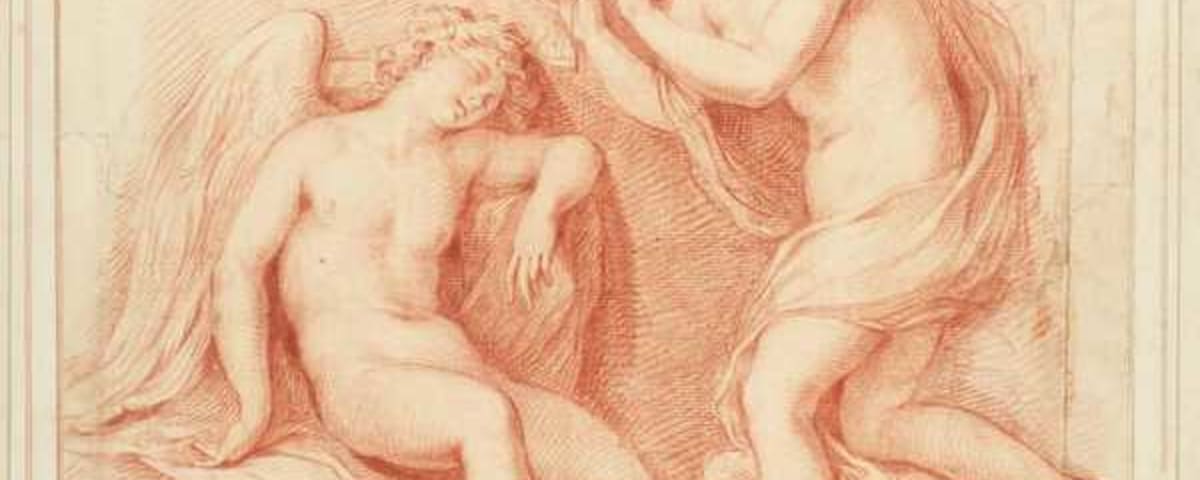
Chalk is a soft, powdery material for drawing and writing that was traditionally made from natural rocks rich in calcium carbonate. Drawing chiefly employs three natural varieties of chalk: black (from carbonaceous shale), red, known as sanguine (from red iron-bearing clay, or haematite), and white (from soft limestone or gypsum). These natural chalks were shaped into thin sticks or set in holders, allowing the artist to draw lines, blend and model volume. Chalk drawing flourished in the Renaissance and Baroque and became one of the main means of both preparatory drawing and independent works. Especially prized was the technique à trois crayons — the combination of black, red and white chalk on toned paper, which allowed masters to convey skin tone and soft chiaroscuro transitions. Chalk was used by Leonardo da Vinci, Michelangelo, Peter Paul Rubens, Antoine Watteau and countless other draughtsmen. White chalk was often applied to dark surfaces for highlights and the brightest accents. In modern times, alongside natural chalk, synthetic pastel and chalk pencils have become widespread, but traditional chalk drawing still remains a classic means of academic drawing.
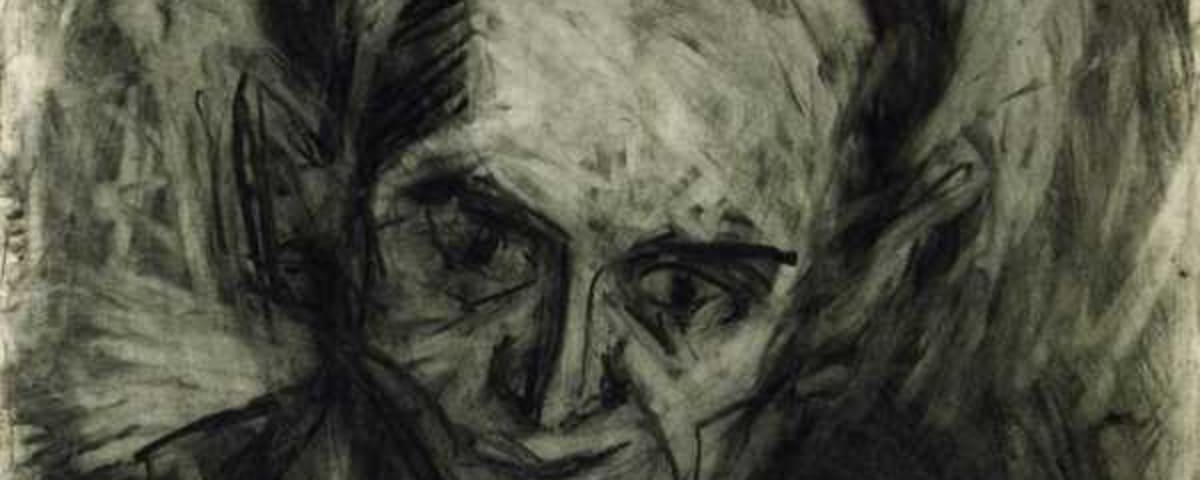
Charcoal (artists' drawing charcoal) is a black, brittle drawing material composed chiefly of carbon and produced by burning wood in the absence of air. It is one of humanity's oldest artistic materials: some prehistoric rock images, including those in caves such as Chauvet, were made with charcoal. Thanks to its ease of production and its expressiveness, charcoal has remained a principal means of instructional and preparatory drawing throughout the history of Western art. There are several kinds of charcoal: thin stick (willow or lime) charcoal, which erases easily and suits preliminary sketches, and compressed charcoal, mixed with a binder, which gives a deeper, richer and more permanent black tone. With charcoal an artist can create both quick linear sketches and finished tonal drawings with a wide range from delicate grey to velvety black; the material blends easily with a finger or cloth and can be lightened with an eraser. The finished drawing is fixed with a fixative to prevent it flaking off. Charcoal was widely used by masters from the Renaissance (for cartoons and underdrawings) to contemporary artists such as William Kentridge, who builds entire animated works on charcoal drawing.
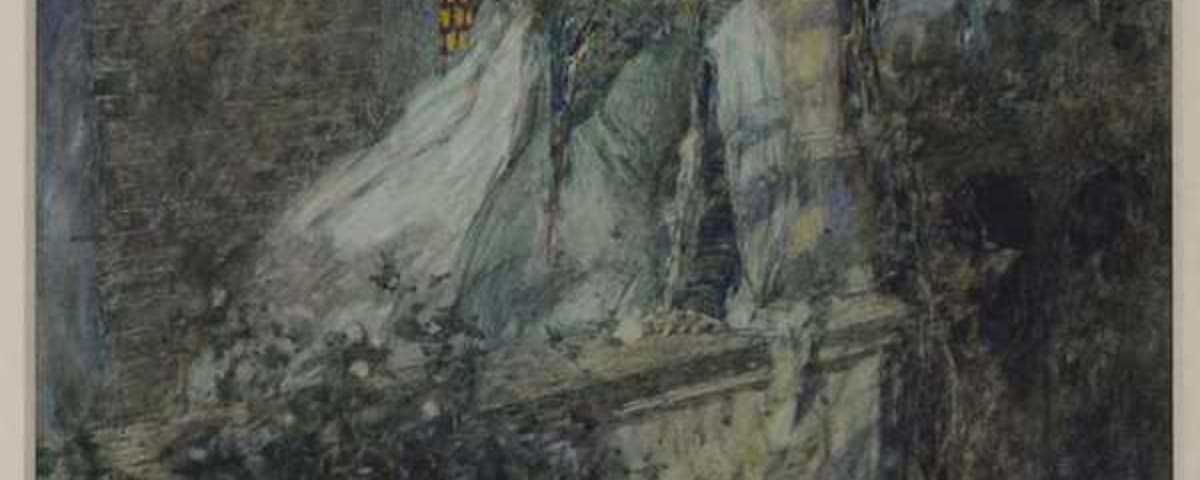
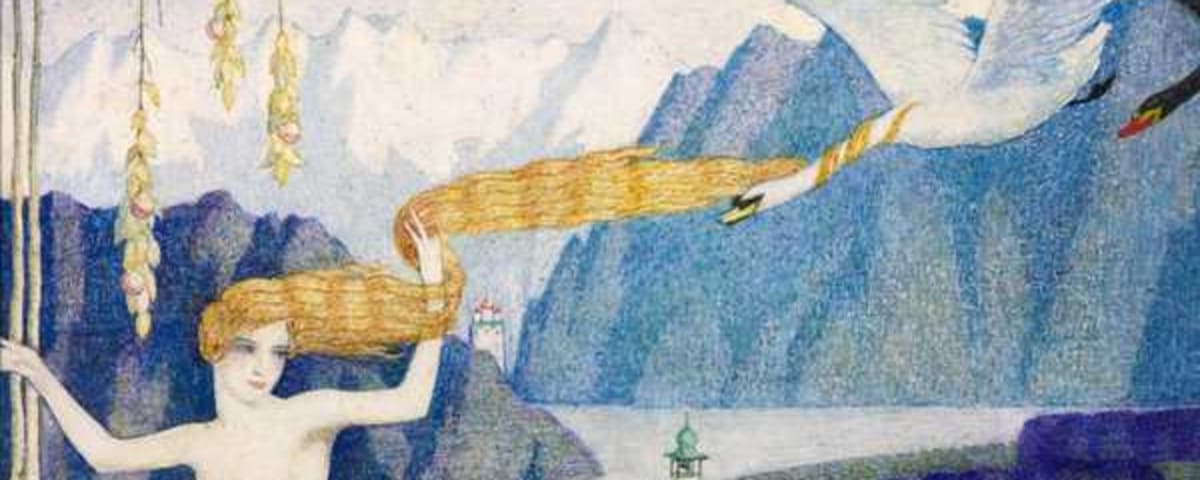
Gouache is a water-based paint in which pigment particles are suspended in water together with a binder (usually gum arabic) and a white filler such as chalk. Unlike transparent watercolour, gouache is opaque: the white of the paper does not show through, and colour lies in a dense, even layer. This lets gouache cover earlier strokes, produce rich matte tones and accept corrections readily. The technique reaches back to medieval illuminated manuscripts and flourished in the eighteenth century, when it served for portrait miniatures and landscape studies. In the twentieth century gouache became a favourite of designers, illustrators, poster artists and stage designers thanks to its brightness, quick drying and even tone under reproduction. Ukrainian graphic artists and book illustrators used gouache widely in both easel and applied graphics, executing numerous theatre-set sketches and posters with it. Henri Matisse, in his late cut-outs, worked from sheets pre-painted in gouache, making the medium the foundation of monumental compositions. Gouache remains an accessible and expressive material for teaching and professional practice alike today.
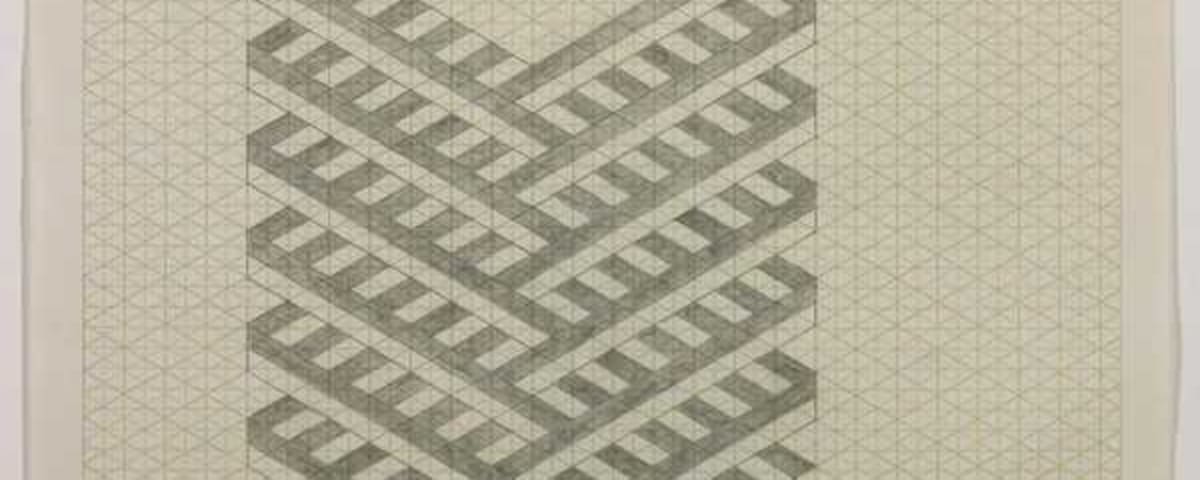
Graphite is a metallic-grey crystalline form of carbon and one of the most common materials for writing and drawing. It is most often used as a pencil, in which a thin graphite core is encased in wood, though graphite powder and compressed sticks also serve artists as a medium in their own right. The softness or hardness of the lead is graded with letters (from H for hard to B for soft), yielding anything from pale silvery lines to deep velvety blacks. The material blends easily, lifts with an eraser and lends itself to fine hatching and tonal modelling. The modern graphite pencil emerged in the late eighteenth century, when Nicolas-Jacques Conté devised a way of mixing powdered graphite with clay and firing the rods, allowing hardness to be controlled. Since then graphite has been the principal tool of preparatory drawing, sketching and academic study, including in Ukrainian art schools. It serves both rapid notations and finished easel drawings. Its versatility, availability and precision have made graphite indispensable to artists, architects and designers.